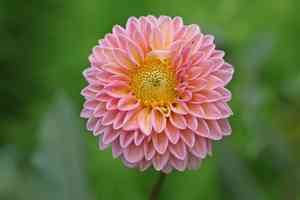
Stiff tickseed (Coreopsis palmata)
Also known as: Wedgeleaf coreopsis
Stiff tickseed (Coreopsis palmata) is popular in ornamental horticulture due to its height of up to 76 cm and its striking yellow flowers that bloom from late spring through summer. This plant not only adds vibrant color to gardens but also attracts butterflies, enhancing the garden's ecological value.
In This Article
Attributes of Stiff tickseed
Lifespan
Perennial
Plant Type
Herb
Plant Height
30 cm to 91 cm
Spread
60 cm to 90 cm
Leaf Color
Green
Flower Size
2.5 cm to 5 cm
Flower Color
Yellow
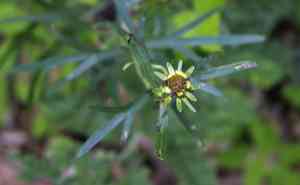
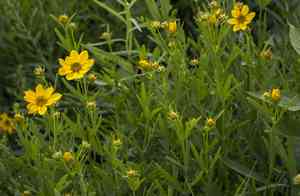
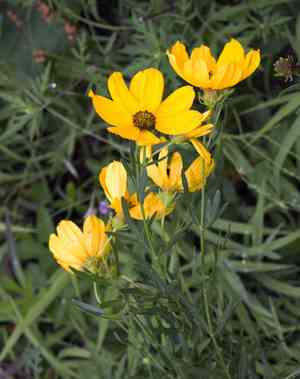
Images of Stiff tickseed
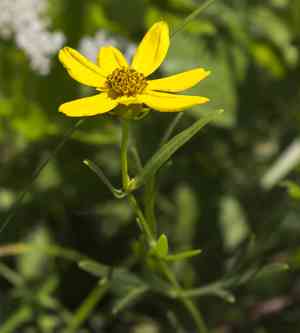
Quickly Identify Stiff tickseed
1
Look for bright yellow, daisy-like flowers with a distinct central disk. The leaves are narrow and positioned in an opposite arrangement. The plant is typically stiff and upright in form.
Scientific Classification of Stiff tickseed
Phylum
Vascular plants
Class
Dicotyledons
Order
Asterales
Family
Daisy
Genus
Calliopsis
Species
Stiff tickseed
Planting and Growing of Stiff tickseed
Care Difficulty
Easy
Watering Schedule
Every 2 days
Sunlight Requirements
Full sun
Sunshine Duration
6-10 hours
Ideal Temperature
65-75℉
Soil Type
Potting Mix, Peat Mix
Soil pH
6.5-7.5
Fertilizer Type
Balanced
Pruning Season
Spring, Summer
Pruning Area
Branches, Leaves
Pruning Frequency
2 times a year
Repotting Season
Spring
Pot Type
Plastic, Ceramic
 How to Water Stiff tickseed?
When watering Coreopsis palmata, aim to provide about 500 ml, ensuring the soil is moist but not waterlogged. This plant thrives with even moisture, reminiscent of its native prairies. Let some topsoil dry between waterings to prevent root rot.
What are the symptoms of an underwatered Stiff tickseed?
›
What should I do if my Stiff tickseed is not getting enough water?
›
What are the symptoms of an overwatered Stiff tickseed?
›
How to save an overwatered Stiff tickseed?
›
 What Are the Sunlight Requirements for Stiff tickseed?
Coreopsis palmata flourishes in full sunlight, benefiting from 6 to 8 hours of direct light daily. This ideal light range supports vigorous growth, vibrant flower production, and a robust plant structure, enhancing its ornamental value.
More About Sunlight Requirements Techniques→
What is the ideal light condition for Coreopsis palmata?
›
What solutions exist to achieve ideal lighting for Coreopsis palmata?
›
What are the benefits of providing ideal lighting to Coreopsis palmata?
›
 What Is the Ideal Temperature Range for Stiff tickseed?
The ideal temperature range for Coreopsis palmata is between 65°F and 75°F. This range supports optimal growth and flowering. Temperatures within this range provide a balanced environment for essential physiological processes and reduce temperature-related stress.
 What Soil is Best for Stiff tickseed?
Coreopsis palmata thrives in well-drained soils where water can easily percolate through. This prevents root rot and promotes healthy root development, ensuring robust plant growth. While not overly demanding, Coreopsis palmata benefits from a moderately fertile soil that can supply necessary nutrients. This helps in sustaining vibrant foliage and abundant flowering throughout its growing season. A sandy soil texture offers ideal conditions for Coreopsis palmata by providing both drainage and aeration. It facilitates deep root penetration and enhances drought tolerance, making the plant resilient in its native habitat.
 How to Fertilize Stiff tickseed?
For Coreopsis palmata, it is recommended to use a balanced fertilizer with an N-P-K ratio of 10-10-10. Approximately 1 tablespoon per gallon of water is ideal for liquid fertilizers.
 How to Prune Stiff tickseed?
To keep your Coreopsis palmata flourishing, remove spent blooms regularly. This process, known as deadheading, helps redirect the plant's energy towards producing new flowers instead of seed heads, thereby encouraging abundant blooming. Prune back stems selectively during spring and early summer to maintain a tidy shape and remove any leggy growth. Ensure cuts are made just above a node where new growth is visible to promote a fuller appearance. As the summer fades, cut back the stems to about half their height to tidy the plant and prepare it for winter dormancy. This helps protect it from potential snow damage while maintaining its health for the following season.
More About Pruning Techniques→
 How to Propagate Stiff tickseed plant?
1
After the flowering period, collect the seeds from the dried seed heads of Coreopsis palmata. Ensure the seeds are ripe and dry before storage for planting.
2
Choose mature plants for division. Carefully dig them up and separate the root clumps using a sharp knife or garden fork. Each division should have at least a couple of healthy shoots and roots.
3
Plant the seeds in well-drained soil or seed tray, and cover them lightly with soil. Maintain moisture until they germinate. Place them in a warm location with indirect sunlight.
 How to Repot Stiff tickseed plant?
1
Coreopsis palmata typically needs repotting when the plant has outgrown its current container, harbors overly compacted soil, or shows signs of restricted root growth. Look for roots protruding through drainage holes or circling on the surface as key indicators. Aim for spring or early summer, when the plant is actively growing and can recover quickly.
2
Select a pot that is 1-2 inches larger in diameter than the current one. Ensure it has adequate drainage holes to prevent waterlogging, which can harm the roots. A terracotta or clay pot is especially beneficial as it provides excellent breathability and helps prevent root rot by allowing excess moisture to evaporate.
3
Opt for a well-draining sandy soil mix to mimic native environments. Such soil ensures proper aeration and drainage, reducing the risk of overwatering, which can lead to root rot. Adding perlite or coarse sand can enhance drainage capacity, providing an optimal growth medium for Coreopsis palmata.
Learn More About Stiff tickseed Diseases
Anthracnose
Bacterial Leaf Spot
Bacterial Wilt
Black Spot
Chemical Injury
Crown Gall
Cyst Nematode
Damping-off
Downy Mildew
Drought Stress
Fusarium Wilt
Gray Mold
Leaf Curl
Leaf Spot
Mosaic
Nutrient Deficiency
Nutrient Toxicity
Powdery Mildew
Root Rot
Root-knot Nematode
Rusts
Sooty Mold
Spider Mites
Temperature Stress
Thrips Damage
White Mold



