How to Prune Geiger Tree?
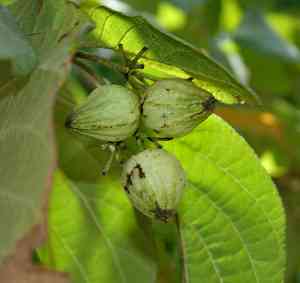
Distinguished by its vivid orange blossoms and expansive, elliptical foliage, the geiger Tree is a favored decorative specimen in tropical and subtropical environments. Trimming efforts should focus on excising deceased or compromised branches, sculpting the tree for structural integrity, and managing its dimensions. The optimal period for pruning is winter, during its inactive phase, to encourage robust spring development. Consistent thinning enhances air circulation and light exposure, thereby boosting the tree's general well-being and bloom capacity. Sterilizing pruning implements is essential to avert the transmission of pathogens.
What Are the Benefits of Pruning Geiger Tree?
What Are the Benefits of Pruning Geiger Tree?
Trimming geiger Tree promotes robust development and maintains its desired form. By eliminating dead or overgrown limbs, geiger Tree can redirect energy to healthier sections, fostering a strong structure and enhancing its visual appeal.
What Is the Best Time for Pruning Geiger Tree?
What Is the Best Time for Pruning Geiger Tree?
Winter is considered ideal for trimming geiger Tree as it aligns with the plant's dormant phase when growth slows. This timing allows for the removal of any damaged or diseased branches without stressing the plant, encouraging healthier growth in spring. Pruning during dormancy helps conserve the plant's resources. Additionally, since geiger Tree flowers on new growth, winter pruning will stimulate fresh development, leading to abundant blooms in the subsequent season. Avoiding pruning during the active growing season, especially spring and summer, ensures the plant's flowering potential is not compromised.
What Tools Do I Need to Prune Geiger Tree?
Hand Pruners
Perfect for cutting branches under 3/4 inch thick; choose bypass pruners for clean cuts that encourage healthy regrowth.
Loppers
Used for slightly larger branches, up to 1 1/2 inches in diameter; ensure they have long handles for leverage and reach.
Pruning Saw
Essential for branches exceeding 1 1/2 inches; a curved blade can simplify cutting.
Pole Pruners
Useful for higher branches inaccessible from the ground; opt for those with a pruning saw attachment for thicker growth.
Gardening Gloves
Hand protection from thorns and rough bark while trimming geiger Tree.
Cleaning Solution
To prevent disease spread, clean tools with a solution of 1 part bleach to 9 parts water after use on geiger Tree.
Sharpening Tool
Maintain sharp edges on cutting tools to ensure clean cuts and reduce damage to geiger Tree.
How to Prune Geiger Tree
Step1: Inspect and Identify Dead or Diseased Limbs
Examine geiger Tree before you begin pruning, looking for dead branches, diseased limbs, and broken branches, which are your primary focus for removal.
Step2: Preparing Pruning Tools
Ensure all pruning tools are sharp and clean to prevent disease transmission. Disinfect your tools with isopropyl alcohol or a 10% bleach solution before and after use.
Step3: Pruning Dead Branches
Identify dead branches, which will lack leaves or signs of new growth and may have a brittle texture. Cut these back to their origin point or to a healthy lateral branch using an angle that allows water to drain from the cut surface.
Step4: Removing Diseased Limbs
Remove diseased limbs by making cuts at least 4-6 inches into healthy wood beyond the visible infection point to ensure all diseased tissue is eliminated.
Step5: Trimming Broken Branches
Prune broken branches cleanly back to the nearest healthy branch junction, taking care not to tear the bark or leave stubs, as this can encourage disease and pest infestation.
Step6: Assessing Plant Shape for Shaping Cuts
After removing dead, diseased, and broken branches, step back to evaluate the shape of geiger Tree. If additional shaping is needed, identify which branches to trim to maintain the plant's natural form.
Step7: Thinning for Air Circulation
Thin out the plant by removing some of the dense inner branches to enhance air circulation. Ensure you remove no more than one-third of the total branches.
Step8: Correcting Crossing/Rubbing Branches
Cut back any branches that are crossing or rubbing against each other to prevent wounds that can lead to disease.
Step9: Cleanup of Pruning Debris
After pruning, clear away all trimmed branches, leaves, and debris from around the base of geiger Tree to prevent any fungal diseases from taking hold.
Step10: Watering After Pruning
Water the base of geiger Tree after pruning to aid the plant's recovery, but avoid overwatering, which can cause root rot.
Step11: Fertilizing Post-Pruning
Feed geiger Tree with a balanced fertilizer to provide nutrients that will help support new growth after trimming the plant.
Post-Pruning Care for Geiger Tree
Post-Pruning Care for Geiger Tree
Immediately after trimming geiger Tree, sanitize cuts with a fungicide to prevent infection. Ensure geiger Tree is in a location with moderate light, avoiding direct, harsh sunlight. Maintain consistent humidity, and shield geiger Tree from extreme temperatures. Apply a balanced fertilizer to replenish nutrients and promote healing. Monitor geiger Tree for wilted leaves or oozing from cuts, indicating stress or infection. If signs appear, adjust care by consulting an expert and applying recommended treatments.
Common Pruning Mistakes with Geiger Tree
Avoid Cutting Main Trunk or Old Wood
Cutting into the main trunk or older wood where geiger Tree may not easily produce new growth, risking the tree's health and structure.
Prevent Over-Pruning and Stress
Excessive pruning, which can lead to an over-removal of foliage and branches, thus stressing geiger Tree and reducing its ability to thrive.
Sterilize Tools to Stop Disease Spread
Pruning without sterilizing tools, which can spread disease to geiger Tree or introduce infections to fresh cuts.
Use Proper Pruning Techniques for Healing
Employing improper pruning cuts or techniques, which can damage the tree’s bark or leave jagged edges that prevent the geiger Tree from healing correctly.
Remove Dead or Diseased Wood Regularly
Neglecting to remove dead or diseased wood, which can hinder geiger Tree's growth and overall health by wasting resources on maintaining these parts.
Common Pruning Tips for Geiger Tree
Make Clean, Angled Cuts Above Nodes
Make clean, angled cuts just above a leaf node or branch junction to encourage geiger Tree to produce healthy new growth in the correct direction.
Thin Out Branches for Better Air and Sunlight
Focus on thinning out crowded branches to improve air circulation and sunlight penetration, which will benefit geiger Tree's health and flowering capability.
Promptly Remove Dead or Diseased Branches
Remove any dead, damaged, or diseased branches promptly to help geiger Tree maintain its vitality and divert energy to developing healthy foliage and blossoms.
Prune Gently, Considering Natural Growth
Prune to shape geiger Tree gently and gradually, keeping a natural growth habit in mind to preserve the tree’s aesthetics and structural integrity.
Apply Wound Dressing after Pruning
After pruning, apply a suitable wound dressing to the cuts to protect geiger Tree against insects and pathogens that could enter through the wounds.
Sterilize Tools to Prevent Disease Transmission
Sterilize pruning tools before and after use to prevent the transmission of diseases between plants when tending to geiger Tree.
Keep Sufficient Foliage for Photosynthesis
Retain a good portion of the leafy growth to ensure that geiger Tree has enough foliage to produce the energy it needs through photosynthesis.



