The Geiger Tree Plant Advantage: Maximizing Home and Office Appeal and Wellness
1
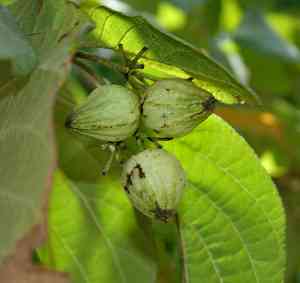
The Geiger Tree is recognized for its striking, vivid blossoms that introduce a burst of color to any landscape.
2
This plant is an excellent option for seaside regions because of its strong resistance to salt.
3
It offers natural shade, making it a useful feature for exterior environments.
What are the Distinctive Attributes of the Geiger Tree?
Hue and Visual Allure
A prominent characteristic of the Geiger Tree is its vivid orange-red blossoms. These blooms are exceptionally striking and can serve as a central point in any garden. The plant's abundant foliage also contributes texture and depth, making it a preferred selection for both private and public landscapes.
Versatility in Diverse Climates
The Geiger Tree flourishes in tropical and subtropical environments but can also endure minor frost. This adaptability renders it suitable for various geographical regions, ensuring your garden remains attractive across different seasons. The plant's resilience to elevated salt levels further enhances its appeal for coastal gardens.
How Does the Geiger Tree Enhance Your Outdoor Area?
Natural Shade and Cooling Effect
The Geiger Tree can mature into a large, expansive tree, offering considerable shade for outdoor spaces. This natural canopy aids in cooling down patios, play areas, and other outdoor zones, making them more pleasant during hot weather. Positioning the Geiger Tree near your home can also help reduce indoor temperatures, potentially lowering air conditioning energy costs.
Windbreak and Privacy Screen
Beyond providing shade, the Geiger Tree can function as a natural wind barrier. Its dense foliage can mitigate strong winds, safeguarding more delicate plants and fostering a more comfortable outdoor setting. The tree can also act as a privacy screen, adding a layer of seclusion to your garden or backyard.
Can the Geiger Tree Improve Soil Quality?
Erosion Prevention
The Geiger Tree possesses a robust root system that can assist in combating soil erosion. This makes it a valuable plant for areas susceptible to heavy rainfall or sloped terrains. The tree's roots stabilize the soil, minimizing topsoil loss and preserving the integrity of your garden's landscape.
Nutrient Cycling Process
The fallen leaves and organic matter from the Geiger Tree decompose and enrich the soil with vital nutrients. This natural process of nutrient cycling promotes healthier soil, benefiting not only the Geiger Tree but also other nearby plants. The enhanced soil quality can lead to more vigorous plant growth and a more vibrant garden.
Why is the Geiger Tree Environmentally Friendly?
Supporting Biological Diversity
The Geiger Tree's flowers attract a variety of pollinators, including bees, butterflies, and birds. This makes the plant a beneficial addition to any ecosystem, fostering biodiversity and supporting the health of local wildlife. In turn, greater biodiversity can lead to a more resilient and balanced environment.
Minimal Upkeep Requirements
Once established, the Geiger Tree demands little care, making it an eco-conscious choice for sustainable gardening. The plant is drought-tolerant and naturally resistant to pests and diseases, reducing the need for chemical fertilizers and pesticides. This low-maintenance characteristic allows for a greener, more sustainable approach to garden care.
How to Plant and Maintain the Geiger Tree?
Optimal Planting Conditions
To maximize the advantages of the Geiger Tree, plant it in well-draining soil and a location that receives abundant sunlight. While the tree is adaptable, it thrives best in environments that mimic its natural tropical habitat. Space the plants adequately to allow for proper growth and air circulation.
Ongoing Care Practices
Although the Geiger Tree is low-maintenance, occasional pruning will help maintain its form and encourage more prolific blooming. Water the plant regularly during the initial establishment phase, but once mature, it will require less frequent watering. Applying a layer of mulch around the base can help retain soil moisture and regulate temperature.



