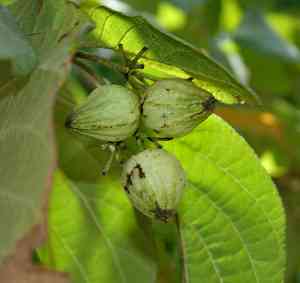
Geiger Tree (Cordia sebestena)
Also known as: Scarlet Cordia, Siricote
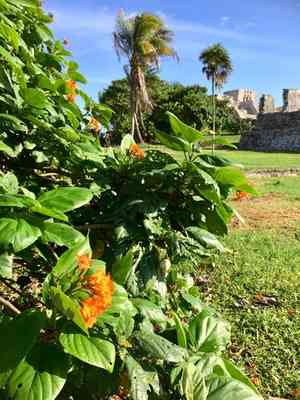
The Geiger Tree (Cordia sebestena) is an evergreen tropical tree known for its stiff, dark green leaves that feel rough to the touch. It blooms with clusters of dark orange flowers, primarily during spring and summer, and is followed by edible fruit. This tree thrives in sandy, salty, and dry soil, making it ideal for warm coastal areas.
In This Article
Attributes of Geiger Tree
Lifespan
Perennial
Plant Type
Tree
Plant Height
8 m to 9 m
Spread
6 m to 8 m
Leaf Color
Green
Flower Size
5 cm
Flower Color
Orange Red
Images of Geiger Tree
Quickly Identify Geiger Tree
1
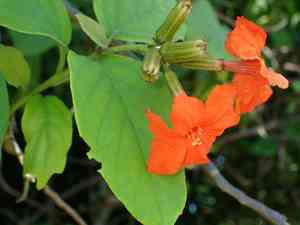
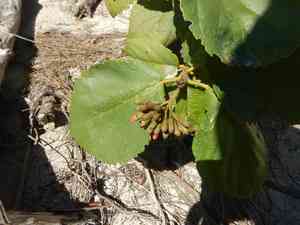
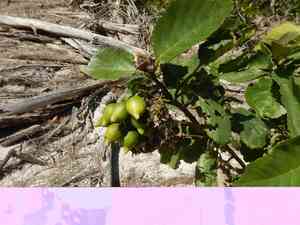
To identify Cordia sebestena, look for its distinctive bright orange-red flowers, large and rough-textured leaves, and its characteristic round fruit. The flowers appear in clusters and the leaves are ovate and dark green with a coarse texture.
Scientific Classification of Geiger Tree
Phylum
Vascular plants
Class
Dicotyledons
Order
Boraginales
Family
Ehretiaceae
Genus
Manjacks
Species
Geiger Tree
Planting and Growing of Geiger Tree
Care Difficulty
Easy
Watering Schedule
Every 4 days
Sunlight Requirements
Full sun
Sunshine Duration
6-10 hours
Ideal Temperature
65-85℉
Soil Type
Potting Mix, Peat Mix
Soil pH
6.5-7.5
Fertilizer Type
Balanced
Pruning Season
Spring, Summer
Pruning Area
Branches, Leaves
Pruning Frequency
2 times a year
Repotting Season
Spring
Pot Type
Plastic, Ceramic
 How to Water Geiger Tree?
Cordia sebestena thrives when you water it until the soil is consistently moist but not waterlogged. It is crucial to provide 500 ml of water each time, ensuring the soil surface is wet to the touch while avoiding standing water. This amount helps maintain healthy root hydration without promoting root rot.
What are the symptoms of an underwatered Geiger Tree?
›
What should I do if my Geiger Tree is not getting enough water?
›
What are the symptoms of an overwatered Geiger Tree?
›
How to save an overwatered Geiger Tree?
›
 What Are the Sunlight Requirements for Geiger Tree?
Cordia sebestena thrives best in full sun to partial sun conditions ideally with six to eight hours of daily sunlight. This ensures the plant can perform photosynthesis effectively, promoting lush growth and copious blooms.
More About Sunlight Requirements Techniques→
What is the ideal lighting condition for Cordia sebestena?
›
How can you achieve ideal lighting for this plant?
›
What benefits does ideal lighting provide to Cordia sebestena?
›
 What Is the Ideal Temperature Range for Geiger Tree?
The ideal temperature range for Cordia sebestena, also known as the Geiger tree, is between 65°F and 85°F. This range allows the plant to photosynthesize efficiently, supporting healthy growth and flowering. In climates where temperatures consistently stay within this range, the plant thrives, producing its characteristic bright orange flowers and lush foliage.
 What Soil is Best for Geiger Tree?
Cordia sebestena thrives best in soil that allows for quick drainage, preventing waterlogged conditions that can lead to root rot. Ensuring a well-draining soil structure allows the plant to absorb nutrients effectively and promotes healthy growth. This plant prefers soils with moderate fertility. A balanced nutrient composition enhances vibrant foliage and abundant flowering. Avoid overly rich soils as they can lead to excessive foliar growth at the expense of blooms. While Cordia sebestena prefers well-draining soil, it also requires consistent moisture to maintain its lush appearance. Mulching can help retain soil moisture, reducing the frequency of watering and supporting steady growth.
 How to Fertilize Geiger Tree?
For Cordia sebestena, a balanced fertilizer with an NPK ratio of 10-10-10 is recommended. Apply liquid fertilizer at half the strength indicated on the package to prevent over-fertilization. When using slow-release fertilizers, use them sparingly, ensuring that the total nitrogen does not exceed 1 pound of nitrogen per 1,000 square feet annually, as this is adequate for sustaining healthy growth without causing leaf burn.
 How to Prune Geiger Tree?
Begin by identifying dead or diseased branches, crossed branches, and any growth that is disrupting the plant’s shape. Look for branches that are rubbing against each other, as these can cause damage and should be pruned. Cut branches at a 45-degree angle, just above a node or bud facing outward. This encourages new growth to expand outward, maintaining the plant's natural form and structure. Trim back long, overreaching branches to maintain a rounded, bushy appearance. Keep the center open to allow light penetration and air circulation, which helps prevent disease.
More About Pruning Techniques→
 How to Propagate Geiger Tree plant?
1
Collect seeds from mature Cordia sebestena fruits. Clean and dry them thoroughly before planting. This ensures that the seeds are viable and reduces the risk of fungal infection.
2
Select healthy semi-hardwood stems from the parent plant. Cut segments 4-6 inches long. Remove lower leaves and dip the cut end in rooting hormone to enhance root development.
3
Plant seeds or cuttings in well-draining soil mix. Water them well and ensure they receive adequate sunlight. Maintain a humid environment to encourage germination or rooting.
 How to Repot Geiger Tree plant?
1
Cordia sebestena needs repotting when its roots start to emerge from the drainage holes of its current container. Another sign is when the plant's growth seems stunted and it appears to need more nutrients than it's receiving. Ideally, you should consider repotting during the growing seasons of spring or summer for optimal recovery.
2
Select a pot that is one to two inches larger in diameter than the current pot. This allows room for growth without overwhelming the plant. Ensure the pot has adequate drainage to prevent waterlogging, which can lead to root rot—a prevalent problem in many houseplants.
3
Choose a well-draining loamy soil mix rich in organic matter. This ensures that the plant roots don't stay too wet while providing enough nutrients for healthy growth. Adding perlite or sand can improve drainage, which is vital for Cordia sebestena's preference for drier conditions.
Learn More About Geiger Tree Diseases
Anthracnose
Bacterial Leaf Spot
Crown Gall
Cyst Nematode
Damping-off
Downy Mildew
Drought Stress
Fusarium Wilt
Gray Mold
Leaf Curl
Leaf Spot
Mosaic
Nutrient Deficiency
Nutrient Toxicity
Powdery Mildew
Root Rot
Root-knot Nematode
Rusts
Sooty Mold
Spider Mites
Temperature Stress
Thrips Damage
White Mold



