How to Prune 'aiakanene?
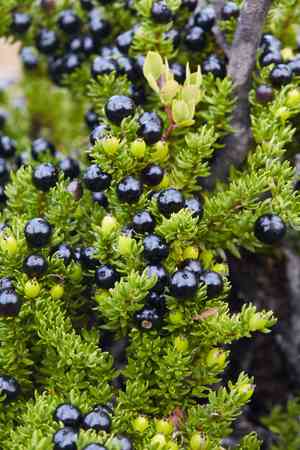
'aiakanene, characterized by its lustrous foliage and compact habit, thrives with early spring trimming to foster robust growth. Eliminate any lifeless or compromised branches to enhance airflow and sculpt the specimen. Concentrate on reducing excessively long sections to preserve its neat structure. Trimming additionally stimulates more vivid leaves and deters pest problems. Consistent, gentle pruning contributes to the general health and aesthetic appeal of 'aiakanene.
What Are the Advantages of Trimming 'aiakanene?
What Are the Advantages of Trimming 'aiakanene?
Trimming 'aiakanene promotes vigorous development and maintains its form. Regular cutting encourages robust growth, keeps it at a manageable size, and improves its overall look. Eliminating dead or unhealthy sections boosts resistance to pests and diseases, ensuring the plant's vitality.
When Is the Optimal Time for Pruning 'aiakanene?
When Is the Optimal Time for Pruning 'aiakanene?
Pruning 'aiakanene in early spring is ideal as it aligns with the start of the plant's growth cycle. Pruning at this time supports new healthy growth and allows the plant to recover quickly as it enters its active growing season. Furthermore, pruning before the blooming or fruiting periods ensures the plant's energy is directed towards producing healthy flowers or fruit rather than sustaining older, unproductive growth.
What Equipment Do I Need to Prune 'aiakanene?
Bypass Pruners
Perfect for making clean cuts on small branches and stems without crushing plant tissue, which ensures healthy regrowth.
Loppers
Useful for cutting through medium-sized stems and branches that are too thick for bypass pruners but do not require a saw.
Pruning Saw
Best for larger branches that cannot be easily cut with pruners or loppers, ensuring clean cuts that promote quick healing.
Hedge Shears
Useful for shaping and trimming multiple branches simultaneously, which is essential for maintaining aesthetic forms.
How to Prune 'aiakanene
Inspection
Carefully examine the plant to identify any diseased leaves, withered leaves, dead branches, and diseased branches. Note areas needing attention.
Tool Preparation
Gather and sanitize pruning tools such as shears and loppers to prevent disease spread. Ensure tools are sharp for clean cuts.
Remove Diseased Leaves
Cut away any diseased leaves from 'aiakanene using sterilized shears, making clean cuts close to the base of the leaf stem.
Remove Withered Leaves
Trim off withered leaves from 'aiakanene by cutting them at the point where they connect to the main stem. Ensure not to damage healthy parts of the plant.
Cut Dead and Diseased Branches
Prune dead branches first, followed by any diseased branches. Cut these branches back to the point where they meet healthy tissue or to the plant's base, ensuring all diseased material is completely removed to prevent future spread.
Common Pruning Errors with 'aiakanene
Over-pruning
Many gardeners mistakenly remove too much foliage at once, which can stress 'aiakanene and hinder its development.
Improper cuts
Using dull or unsuitable tools can result in jagged cuts, potentially leading to infections or poor healing.
Pruning at wrong points
Cutting too close to the main stem or too far from a node can impede proper regrowth and reduce flowering.
General Pruning Advice for 'aiakanene
Use sharp tools
Always use clean, sharp pruning shears to make precise cuts. This helps the plant heal quickly and reduces the risk of disease.
Follow natural shape
Trim 'aiakanene to maintain its natural form. Avoid creating unnatural shapes that could stress the plant.
Remove deadwood
Focus on removing dead, damaged, or diseased branches first. This encourages healthy growth and improves air circulation.
Strategic thinning
Thin out congested areas to allow light and air to penetrate the entire plant, promoting overall health.



