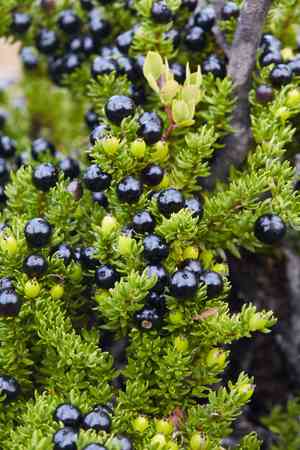
'aiakanene (Coprosma ernodeoides)
Also known as: Kūkaenēnē
The **Kukui tree** (Aleurites moluccanus) thrives in both barren areas and moist understories. Native to Hawaii, its fruits and inner bark are often used in the creation of dyes. Additionally, the flowers and fruits of the Kukui tree are traditionally used in Hawaiian lei garlands.
In This Article
Attributes of 'aiakanene
Lifespan
Perennial
Plant Type
Shrub
Plant Height
2-12 inches
Spread
Spreads up to 3 feet
Leaf Color
Glossy green
Flower Size
Small and not showy
Flower Color
Pale green
Images of 'aiakanene
Quickly Identify 'aiakanene
1
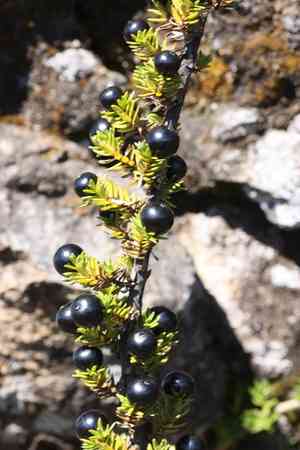
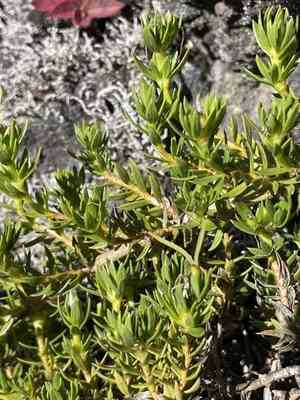
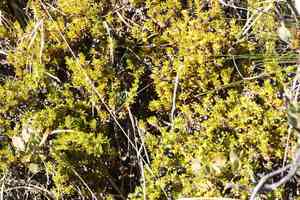
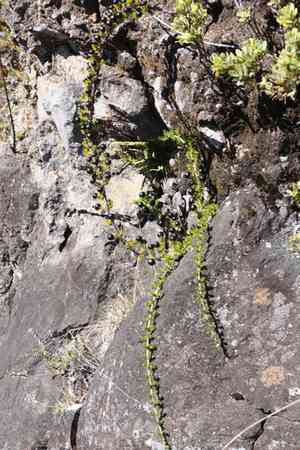
Identify Coprosma ernodeoides by its low-growing, spreading mat-forming habit and small, glossy green leaves. It often has black fruits when mature.
Scientific Classification of 'aiakanene
Phylum
Vascular plants
Class
Dicotyledons
Order
Gentianales
Family
Madder
Genus
Mirrorplant
Species
'aiakanene
Planting and Growing of 'aiakanene
Care Difficulty
Moderate
Watering Schedule
Every 2 days
Sunlight Requirements
Full sun
Sunshine Duration
4-6 hours
Ideal Temperature
55-70℉
Soil Type
Potting Mix, Peat Mix
Soil pH
6.5-7.5
Fertilizer Type
Balanced
Pruning Season
Spring, Summer
Pruning Area
Branches, Leaves
Pruning Frequency
2 times a year
Repotting Season
Spring
Pot Type
Plastic, Ceramic
 How to Water 'aiakanene?
For Coprosma ernodeoides, aim to provide around 500 ml of water per session. The goal is to moisten the soil thoroughly but not to leave it waterlogged. It's important to ensure that the top inch of soil feels dry to the touch before the next watering, which ensures the roots receive adequate moisture without leading to root rot.
What are the symptoms of an underwatered 'aiakanene?
›
What should I do if my 'aiakanene is not getting enough water?
›
What are the symptoms of an overwatered 'aiakanene?
›
How to save an overwatered 'aiakanene?
›
 What Are the Sunlight Requirements for 'aiakanene?
This plant ideally enjoys full sun to partial sun exposure, benefiting greatly from its adaptability to both high and moderate sunlight levels, enhancing robust growth and vibrant foliage.
What is the ideal lighting environment for Coprosma ernodeoides?
›
How can you ensure Coprosma ernodeoides receives its ideal lighting?
›
What benefits does ideal lighting provide for Coprosma ernodeoides?
›
 What Is the Ideal Temperature Range for 'aiakanene?
The optimal temperature for Coprosma ernodeoides falls between 55°F and 70°F. This range allows the plant to thrive and supports its metabolic processes efficiently. Maintaining the plant within this temperature ensures healthy growth and maximizes its ornamental value.
 What Soil is Best for 'aiakanene?
Coprosma ernodeoides benefits greatly from well-draining soil to prevent waterlogging and root rot. Ensuring that excess moisture can escape allows the plant to thrive and promotes robust root development. This plant prefers soil with moderate nutrient levels. It doesn't demand overly rich soil, which means less frequent fertilization without sacrificing lush growth and vibrant foliage. The plant thrives with a soil pH between 6.5 and 7.5, providing an optimal range for nutrient availability. This pH helps support healthy microbial activity in the soil, aiding in plant health.
 How to Fertilize 'aiakanene?
Coprosma ernodeoides prefers moderate fertilization. Use a balanced liquid fertilizer diluted to half strength, approximately 10-15 ml per liter of water. When using slow-release pellets, apply around 100 grams per square meter at each application to avoid nutrient burning.
 How to Prune 'aiakanene?
Begin by examining your Coprosma ernodeoides for any dead, damaged, or diseased branches. Removing these first will help prevent the spread of disease and allow the plant to focus nutrients on healthy growth. Use your pruning shears to make strategic cuts to shape the plant. Focus on overgrown or straggly branches to maintain a rounded shape. Make cuts at a 45-degree angle, just above a leaf node, to encourage optimal regrowth. Once you've finished pruning, collect and dispose of all clippings and debris to prevent pests and diseases from affecting the plant. Keeping the area tidy promotes a healthier growing environment.
More About Pruning Techniques→
 How to Propagate 'aiakanene plant?
1
To prepare seeds for propagation, start by soaking them in warm water for 24 hours. This step helps soften the seed coat and promotes faster germination when planted in soil.
2
Select a healthy branch and cut a 4-6 inch section just below a node. Remove the lower leaves to reduce water loss and dip the cut end in a rooting hormone to stimulate root growth.
3
Use a well-draining soil mix for propagation. Plant seeds or cuttings about an inch deep, ensuring they are secure in the soil, then water thoroughly until the soil is evenly moist.
 How to Repot 'aiakanene plant?
1
Coprosma ernodeoides should be repotted when its roots start to outgrow the current pot, which is often indicated by roots poking out of the drainage holes. Also, if the soil seems compacted or water drains too quickly, it's time to consider repotting.
2
Opt for a pot that's one size larger than the current one, with adequate drainage holes. This helps accommodate root growth and prevents waterlogging, reducing the risk of root rot and ensuring healthy development of your Coprosma ernodeoides.
3
The optimal soil is a well-draining peat mix, which helps maintain the right moisture levels and allows air to circulate around the roots. This type of soil prevents water accumulation and root suffocation, fostering a healthy root environment.
Learn More About 'aiakanene Diseases
Anthracnose
Bacterial Leaf Spot
Bacterial Wilt
Black Spot
Chemical Injury
Crown Gall
Damping-off
Downy Mildew
Drought Stress
Fusarium Wilt
Gray Mold
Leaf Curl
Leaf Spot
Mosaic
Nutrient Deficiency
Nutrient Toxicity
Powdery Mildew
Root Rot
Root-knot Nematode
Rusts
Sooty Mold
Spider Mites
Temperature Stress
Thrips Damage
White Mold



