How to Propagate 'aiakanene?
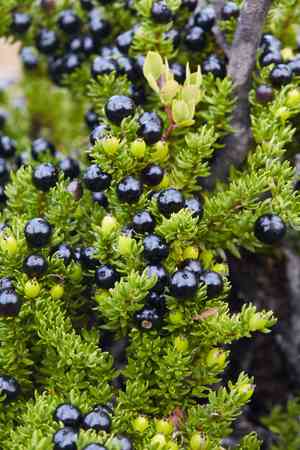
'aiakanene is an indigenous Hawaiian shrub from the Rubiaceae botanical family. To multiply 'aiakanene, obtain semi-hardwood sections, making sure each section possesses several nodes. Utilize a growing medium with good drainage, immerse the sections in a rooting stimulant, and sustain elevated humidity levels. Periodically spray the sections with water to avert drying out. Diligent care and oversight will enable effective root development for this robust and versatile plant.
Optimal Period for 'aiakanene Propagation
Propagation Method
Cutting
Propagation Period
Spring,Summer
Tools Required for 'aiakanene Propagation
Pruning Shears
Pruning shears are vital for obtaining clean, precise cuttings from 'aiakanene. Utilize them to trim healthy stems approximately 4-6 inches in length. Clean cuts minimize disease risk and aid rooting.
Rooting Hormone
Rooting hormone stimulates the growth of roots in cuttings. Dip the severed end of the 'aiakanene cutting into the hormone to enhance root formation and boost propagation success rates.
Propagation Trays
Propagation trays provide a stable environment for cuttings. Fill trays with a well-draining potting mix to support 'aiakanene's root development and maintain moisture without becoming waterlogged.
Misting Bottle
A misting bottle keeps cuttings hydrated without over-saturating them. Regular misting ensures the cuttings stay moist, which is crucial for the initial rooting phase of 'aiakanene.
Humidity Dome
A humidity dome maintains a high-moisture atmosphere around the cuttings. This helps prevent desiccation and preserves moisture, essential for the successful rooting of 'aiakanene.
Sterile Knife or Scalpel
A sterile knife or scalpel is employed for refining cuttings and ensuring clean incisions. Sterility prevents the transfer of pathogens, which is crucial for the well-being of 'aiakanene cuttings.
Heat Mat
A heat mat delivers consistent warmth to the base of the propagation trays. This warm setting encourages root growth in 'aiakanene cuttings and improves overall success.
How to Propagate 'aiakanene?
Propagation Difficulty
Moderately Difficult
Post-Propagation Care for Your 'aiakanene
Post-Propagation Care for Your 'aiakanene
Once roots are established, gradually introduce 'aiakanene to normal humidity by removing any covers. Ensure the soil remains slightly damp but not waterlogged. Transplant 'aiakanene to a larger container or directly into the garden when it has grown sufficiently. Continue to provide bright, indirect light and shield from extreme temperatures. Regular, gentle fertilizer applications will support robust growth.
Common Errors to Avoid When Propagating 'aiakanene
Overwatering
Excessive watering can lead to root rot, which is detrimental to the plant's health and can hinder proper root development.
Poor soil drainage
Using soil that lacks proper drainage can cause waterlogging, preventing roots from accessing vital oxygen and leading to decay.
Insufficient light
Not providing adequate light can result in weak growth and poor root development, impeding propagation success.
Incorrect cuttings
Taking cuttings that are too large or too small can impede the rooting process. Cuttings need to be the appropriate size to root effectively.
Neglecting humidity requirements
Failing to maintain sufficient humidity can cause cuttings to dry out and prevent proper root development.
Advice for Propagating 'aiakanene
Moderate watering
Water cuttings just enough to keep the soil moist but not waterlogged, ensuring roots have access to both moisture and oxygen.
Well-draining soil
Utilize a well-draining soil mix to prevent waterlogging and root rot, fostering healthy root development.
Adequate light
Position cuttings in a location with bright, indirect light to encourage strong and healthy growth without scorching the leaves.
Right-sized cuttings
Take cuttings that are 4-6 inches long, ensuring they have a few leaves and nodes to promote faster rooting.
Maintain humidity
Place cuttings in a humid environment, such as a covered propagator or under a plastic bag, to prevent them from drying out and to encourage root development.



