How to Prune Pinkflower bindweed?
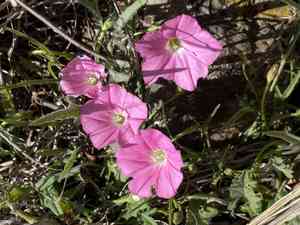
Pinkflower bindweed, recognized for its rosy blossoms and climbing nature, thrives with trimming in early spring or late winter. Remove any lifeless or compromised stalks to stimulate robust development and blooming. Reduce density in congested sections to boost air movement and sculpt the plant as required. Refrain from extensive cutting during periods of active growth to avert strain. Consistent pruning improves pinkflower bindweed's general well-being and aesthetic appeal.
Advantages of Trimming Pinkflower Bindweed
Advantages of Trimming Pinkflower Bindweed
Pinkflower bindweed benefits from trimming as it encourages robust development and aids in maintaining its form. Regular trimming fosters healthy growth by eliminating dead or diseased sections, boosts blooming by directing energy to productive branches, and prevents the plant from becoming unruly.
Optimal Time for Trimming Pinkflower Bindweed
Optimal Time for Trimming Pinkflower Bindweed
Trimming pinkflower bindweed in early spring and late winter aligns well with its growth cycle. These periods are ideal because pinkflower bindweed is either dormant or just starting its growth phase, minimizing stress and potential harm to the plant. Trimming during these times allows for healthier regrowth and promotes more abundant flowering, as the plant has time to recover and channel energy into new shoots. Additionally, trimming before the active growing season helps shape and manage the plant more effectively.
Tools Required for Trimming Pinkflower Bindweed
Hand Pruners
Perfect for precise cuts on the small stems and branches of pinkflower bindweed, ensuring clean cuts that encourage healthy regrowth.
Bypass Pruners
Excellent for making clean cuts on live wood, which helps prevent disease by avoiding crushing the stems of pinkflower bindweed.
Long-handled Loppers
Useful for reaching and cutting thicker branches within the dense growth of pinkflower bindweed without causing harm to the plant.
Pruning Saw
Best suited for cutting through any particularly thick or woody sections of pinkflower bindweed that bypass pruners or loppers cannot manage.
Pruning Shears
Effective for shaping and removing extensive growth of pinkflower bindweed quickly; suitable for maintaining larger areas of the plant.
How to Trim Pinkflower Bindweed
Inspect
Carefully examine pinkflower bindweed to identify any diseased or withered leaves. Look for discoloration, spots, or drooping parts.
Clean Tools
Use sterilized pruning shears to prevent the spread of disease. Clean tools with alcohol or a bleach solution before cutting.
Remove Diseased Leaves
Cut off diseased leaves at the base where they connect to the main stem. Ensure to remove the entire affected area to prevent recurrence.
Remove Withered Leaves
Trim withered leaves by cutting them near the base or at the point where they join the healthy part of the stem. Avoid tearing, as it can damage the plant.
Dispose Debris
Dispose of all removed plant material away from the garden area to prevent disease spread. Use a sealed bag or burn the debris if appropriate.
Common Trimming Errors with Pinkflower Bindweed
Excessive Trimming
Removing too many stems and leaves at once can weaken pinkflower bindweed, making it vulnerable to diseases and affecting its overall health.
Incorrect Technique
Using dull or unsterilized tools can cause damage to the plant or introduce pathogens. Cuts should be clean and precise to minimize stress.
Trimming Out of Shape
Cutting without considering the natural growth habit of pinkflower bindweed can result in an unattractive appearance and poor structural integrity.
Timing Mistakes
Trimming at the wrong times can interfere with pinkflower bindweed's growth cycle, leading to reduced flowering and overall vigor.
General Trimming Advice for Pinkflower Bindweed
Use sharp, clean tools
Ensure trimming tools are sharp and sterilized to make clean cuts, reducing the risk of disease and promoting quicker healing.
Follow the plant's natural shape
Trim to maintain the natural shape of pinkflower bindweed, enhancing its appearance and structural strength.
Practice moderation
Trim lightly and gradually, removing no more than a third of the plant's foliage at a time to prevent shock and promote healthy regrowth.
Focus on dead or damaged parts
Start by removing any dead, damaged, or diseased stems to improve airflow and light penetration, encouraging healthier growth.
Make angled cuts
When cutting stems, make the cuts at a slight angle to prevent water from settling on the cut surface, which can lead to rot.



