How to Propagate Pinkflower bindweed?
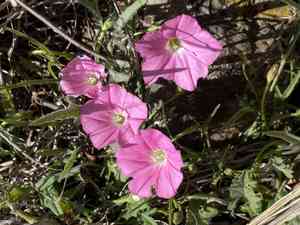
Convolvulus erubescens, a perennial herbaceous plant, features dainty pink blossoms and originates from Australia, frequently found in open woodlands and meadows. Recognizing its requirement for adequately drained soil and partial sunlight is vital. Efficiently multiply it through stem cuttings, ensuring they are robust and harvested from non-blooming portions. Position them in a damp, free-draining potting substrate, and sustain steady moisture levels with a transparent covering. Consistent irrigation is fundamental for proper root formation.
Optimal Propagation Period for Pinkflower Bindweed
Propagation Method
Cutting
Propagation Period
Spring,Summer
Tools Required for Pinkflower Bindweed Propagation
Pruning Shears
Utilized for obtaining cuttings from the parent plant. Ensuring sharp and sterilized blades facilitates clean cuts, minimizing harm and lowering the risk of disease transmission.
Rooting Hormone
Assists in stimulating root growth on the cuttings. The powdered or gel hormone encourages faster and stronger root formation, which is vital for successful pinkflower bindweed propagation.
Propagation Trays with Humidity Domes
Offer a controlled environment for cuttings to root. The trays aid in maintaining ideal moisture levels, and the domes create a greenhouse effect, boosting humidity and supporting healthy root development.
Spray Bottle
Employed for misting the cuttings and sustaining high humidity levels around them. Regular misting prevents the cuttings from drying out and supplies the necessary moisture for root growth.
Sterile Potting Mix
Provides a disease-free medium that supports root development. A well-draining mix, such as a blend of perlite, vermiculite, and peat moss, ensures that the cutting roots do not rot.
Heat Mat
Maintains an optimal soil temperature to encourage root growth. Providing consistent warmth at the base of the cuttings accelerates root development and enhances the success rate of propagation.
Labels and Markers
Ensure precise tracking of various cuttings. Proper labeling helps in monitoring progress and identifying each cutting, which is crucial for organized propagation efforts.
How to Propagate Pinkflower Bindweed?
Propagation Type
Moderately Difficult
Post-Propagation Care for Pinkflower Bindweed
Post-Propagation Care for Pinkflower Bindweed
Once roots are established, transplant them into well-drained soil in a sunny spot. Water consistently to keep the soil moist but avoid overwatering. Fertilize lightly during the growing season and prune as needed to maintain shape and manage growth. Monitor for pests and diseases, treating as necessary to keep pinkflower bindweed healthy.
Common Errors to Avoid When Propagating Pinkflower Bindweed
Overwatering
This can lead to root rot and fungal infections. Pinkflower bindweed prefers well-drained soil and may suffer if kept too moist.
Poor Soil Choice
Using heavy or clayey soil can impede root development. Pinkflower bindweed thrives in well-draining, sandy soils.
Excessive Fertilization
Over-fertilizing can cause nutrient imbalances and may burn the plant's roots. Pinkflower bindweed typically requires minimal feeding.
Inadequate Light
Placing pinkflower bindweed in too much shade can hinder its growth and flowering. It needs plenty of sunlight for optimal development.
Improper Cutting Technique
Cutting the plant incorrectly can damage it and reduce its ability to propagate successfully. Proper cutting techniques are crucial for healthy growth.
Advice for Propagating Pinkflower Bindweed
Use Well-Draining Soil
Opt for a sandy or loamy mix to ensure the roots don't become waterlogged.
Moderate Watering
Water sparingly and allow the soil to dry out between watering sessions to prevent root rot.
Sunlight Exposure
Place pinkflower bindweed in a location where it can receive ample sunlight, as this will promote healthy growth and blooming.
Proper Cuttings
Take cuttings from healthy, non-flowering stems. Use a clean, sharp knife or scissors to make a clean cut just below a node.
Minimize Fertilizer Use
Use a balanced, diluted fertilizer sparingly, and focus on maintaining a natural nutrient balance in the soil.



