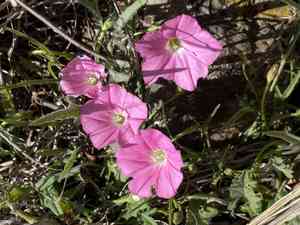
Pinkflower bindweed (Convolvulus erubescens)
Also known as: Australian bindweed
Although bindweed is often considered an invasive species, the Pinkflower bindweed (Convolvulus erubescens) is actually endangered in its native habitat in Victoria, Australia. The plant is named for its striking blush-pink flowers, which inspired its Latin name "erubescens," meaning "blushing." This species blooms from spring through autumn, providing a prolonged display of its attractive flowers.
In This Article
Attributes of Pinkflower bindweed
Lifespan
Perennial
Plant Type
Vine, Herb
Plant Height
Up to 1.5 meters when climbing on other vegetation or structures
Spread
Typically does not form a crown; spreads as a vine
Leaf Color
Green
Flower Size
2 to 3 centimeters
Flower Color
Pink to white
Images of Pinkflower bindweed
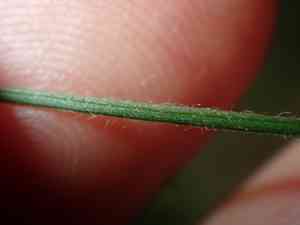
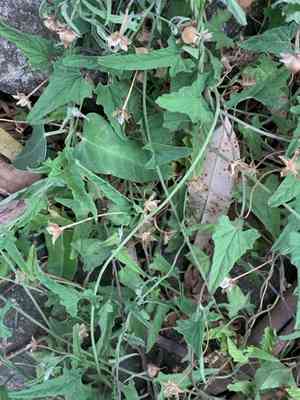
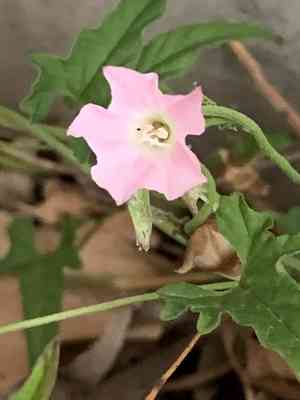
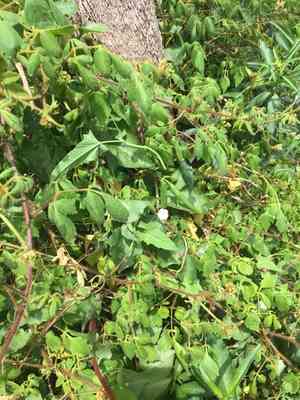
Quickly Identify Pinkflower bindweed
1
This plant can be identified by its twining habit, slender stems, and the distinctive funnel-shaped flowers that range in color from white to pink.
Scientific Classification of Pinkflower bindweed
Phylum
Vascular plants
Class
Dicotyledons
Order
Solanales
Family
Morning-glory
Genus
Bindweed
Species
Pinkflower bindweed
Planting and Growing of Pinkflower bindweed
Care Difficulty
Easy
Watering Schedule
Every 4 days
Sunlight Requirements
Full sun
Sunshine Duration
4-8 hours
Ideal Temperature
65-75℉
Soil Type
Potting Mix, Peat Mix
Soil pH
6.5-7.5
Fertilizer Type
Balanced
Pruning Season
Spring, Summer
Pruning Area
Branches, Leaves
Pruning Frequency
2 times a year
Repotting Season
Spring
Pot Type
Plastic, Ceramic
 How to Water Pinkflower bindweed?
For Convolvulus erubescens, aim to provide around 200 milliliters of water per session. Ensure that the water permeates the soil adequately, reaching the root zone without leaving the soil soggy. The goal is to maintain a balance where the soil remains moist but not overly wet, allowing the roots to access water without becoming waterlogged.
What are the symptoms of an underwatered Pinkflower bindweed?
›
What should I do if my Pinkflower bindweed is not getting enough water?
›
What are the symptoms of an overwatered Pinkflower bindweed?
›
How to save an overwatered Pinkflower bindweed?
›
 What Are the Sunlight Requirements for Pinkflower bindweed?
Partial to full sun exposure promotes a robust growth pattern, leading to lush foliage and abundant flowering, critical for the plant’s lifecycle and aesthetic value.
How much sunlight is ideal for Convolvulus erubescens?
›
What solutions can I adopt for ideal lighting conditions?
›
What are the benefits of ideal lighting conditions?
›
 What Is the Ideal Temperature Range for Pinkflower bindweed?
The ideal temperature range for Convolvulus erubescens is between 65°F and 75°F. This range promotes optimal photosynthesis and growth rates. Keeping the plant within this temperature range ensures healthy foliage and vibrant blooms.
 What Soil is Best for Pinkflower bindweed?
Convolvulus erubescens thrives in well-draining soil, which prevents waterlogging and root rot. Ensuring proper drainage mimics its natural habitat and allows roots to access oxygen efficiently, promoting healthy growth and vibrant blooms. A soil rich in organic matter provides essential nutrients for Convolvulus erubescens. This enhances its vigor, leading to more robust plant growth, improved flowering, and resistance to pests and diseases. While adaptable, Convolvulus erubescens shows a preference for slightly alkaline conditions. This pH range optimizes nutrient availability and uptake, supporting strong and healthy plant development.
 How to Fertilize Pinkflower bindweed?
For Convolvulus erubescens, apply liquid fertilizer at a rate of about half a teaspoon per gallon of water. This ensures the plant receives adequate nutrients without overwhelming its systems. For slow-release fertilizers, a small handful spread evenly around the plant base works well. Adjust amounts according to the plant's size and health, watching out for any signs of nutrient excess or deficiency.
 How to Prune Pinkflower bindweed?
Begin by assessing the plant's overall shape and structure. Remove any overly long or leggy growth to encourage a bushier shape. Make cuts just above a leaf node to stimulate new growth from that point. Regularly prune faded blooms to prolong the flowering season. This deadheading practice shifts the plant's energy from seed production to flowering, resulting in a longer period of blooms. Be cautious not to remove more than one-third of the plant at any time, which could stress the plant. Gradual, consistent pruning is key to maintaining vigor and preventing shock. Remove any new shoots that appear weak or haphazardly around the plant's base, directing energy to stronger, more desirable growth. This also helps prevent a cluttered base and promotes healthier growth.
More About Pruning Techniques→
 How to Propagate Pinkflower bindweed plant?
1
Select healthy, non-flowering stems of Convolvulus erubescens and cut them into sections of about 10-15 cm long. Remove any leaves from the lower half of the cutting.
2
Scatter the seeds thinly on the surface of the soil in a seed tray. Cover them lightly with a thin layer of soil, and water gently to settle the soil and seeds.
3
Carefully dig up a mature plant, and use a sharp tool to divide it into smaller clumps. Each new clump should have roots and shoots.
 How to Repot Pinkflower bindweed plant?
1
Repot Convolvulus erubescens when you notice roots emerging from drainage holes or plant growth slowing down. These are signs it's outgrowing its current pot. Ideally, this should be done in spring or summer when the plant is actively growing and can recover quickly.
2
Choose a pot that is slightly larger in diameter than the current one to give the roots room to spread. It should have adequate drainage holes to prevent waterlogging, which can harm the plant's roots by reducing oxygen flow and promoting root rot.
3
Select a well-draining sandy soil mix. This type of soil allows proper aeration and ensures that water does not linger around the roots, thus minimizing the risk of rot and encouraging healthy root development.
Learn More About Pinkflower bindweed Diseases
Anthracnose
Bacterial Leaf Spot
Bacterial Wilt
Crown Gall
Cyst Nematode
Damping-off
Downy Mildew
Drought Stress
Fusarium Wilt
Gray Mold
Leaf Curl
Leaf Spot
Mosaic
Nutrient Deficiency
Nutrient Toxicity
Powdery Mildew
Root Rot
Root-knot Nematode
Rusts
Sooty Mold
Spider Mites
Temperature Stress
Thrips Damage
White Mold



