How to Prune Laurel-leaf snailseed?
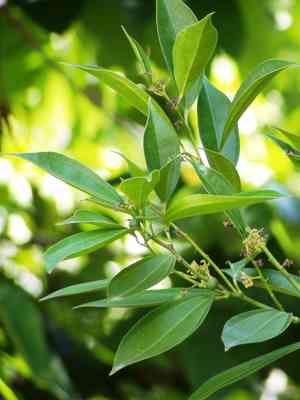
A robust evergreen featuring lustrous foliage, laurel-leaf snailseed flourishes with periodic trimming to preserve its form and well-being. Perform pruning during the winter season, eliminating deceased or frail branches to stimulate fresh development. Reduce density in congested zones to improve air movement, fostering robustness. Enhance its aesthetic and manage its dimensions by shortening elongated stems. The advantages of pruning encompass heightened vitality, protection against ailments, and augmented leaf thickness.
What Are the Benefits of Pruning Laurel-leaf Snailseed?
What Are the Benefits of Pruning Laurel-leaf Snailseed?
Trimming laurel-leaf snailseed promotes vigorous development and preserves its desired form. It fosters a strong structure and improved air circulation, lessening disease risk and encouraging a denser, more appealing foliage display.
What Is the Best Time for Pruning Laurel-leaf Snailseed?
What Is the Best Time for Pruning Laurel-leaf Snailseed?
Pruning or trimming laurel-leaf snailseed during late winter to early spring, just before the onset of the growth season, is optimal because it allows the plant to direct energy to new growth and quickly heal pruning cuts. This timing after the harsher winter conditions but before new growth begins helps prevent stress to laurel-leaf snailseed and minimizes the risk of frost damage to new cuts. Additionally, it aligns with the dormant period of laurel-leaf snailseed, reducing the impact on flowering since laurel-leaf snailseed blooms on new wood. This period also provides an opportunity for gardeners to remove any dead or damaged branches that resulted from winter weather, promoting a healthier plant structure for the upcoming growth season.
What Tools Do I Need to Prune Laurel-leaf Snailseed?
Bypass Pruners
Bypass pruners are suitable for making precise and clean cuts on laurel-leaf snailseed's thinner stems and twigs. Their scissor-like action allows for close cuts which is ideal for shaping or removing small, live wood without causing unnecessary damage to the remaining plant parts.
Loppers
Laurel-leaf snailseed may have some thicker branches where bypass pruners aren't sufficient. Loppers, with their long handles, provide the additional leverage needed for cutting through branches that are up to 1.5 to 2 inches in diameter, offering the ability to reach deeper or higher into the plant and make clean cuts.
Pruning Saw
For the thickest branches of laurel-leaf snailseed that are beyond the capacity of loppers, a pruning saw is needed. With its sharp teeth and ability to cut on both the push and pull movements, a pruning saw can make quick work of branches over 2 inches in diameter without causing splintering or jagged cuts.
Hedge Shears
If laurel-leaf snailseed is being maintained as a hedge or requires extensive shaping, hedge shears can be used to trim softer growth and shape the plant quickly. They are best for uniform trimming and are not ideal for thick, woody stems.
How to Prune Laurel-leaf Snailseed
Clean Equipment
Before starting, clean and sterilize your pruning tools to prevent the spread of disease to laurel-leaf snailseed. Use a solution of one part bleach to nine parts water to sterilize the blades.
Inspect
Examine laurel-leaf snailseed thoroughly, focusing on identifying dead, damaged, or diseased branches that need removal. Look inside the canopy for branches that do not have leaves or have discolored bark and foliage.
Cut Dead Branches
Using sharp, sterilized pruning shears, cut dead branches at their point of origin or back to a healthy lateral branch. Make the cut at a slight angle, 1/4 inch above a bud or branching point.
Remove Diseased Branches
Carefully remove any diseased branches, cutting them well below the point of visible infection to ensure that all diseased tissue is removed. Dispose of these branches far from the plant to prevent re-infection.
Clean Up
Clear away all the removed material from around laurel-leaf snailseed and dispose of it appropriately. If branches were diseased, avoid composting them to prevent the spread of pathogens.
Common Pruning Mistakes with Laurel-leaf Snailseed
Overpruning
Removing too much foliage from laurel-leaf snailseed at once can shock the plant, leading to stunted growth or even death. It's essential to prune no more than one third of the plant's overall volume to maintain its health.
Improper cut locations
Cutting laurel-leaf snailseed in the wrong place can harm the plant. Make clean cuts just above leaf nodes or buds to promote healthy new growth. Cutting too far away from a node can leave unsightly stubs and cutting too close can damage the bud.
Using dull tools
Dull pruning tools can damage laurel-leaf snailseed's branches, leaving jagged cuts that are more susceptible to disease. Always use sharp, clean tools for clean cuts.
Ignoring plant shape
Not considering the natural shape of laurel-leaf snailseed leads to an unnatural appearance and can impair growth. Aim to prune in a way that maintains the plant's form and structure.
Neglecting diseased areas
Failing to remove diseased or dead material from laurel-leaf snailseed can allow the problem to spread. Infected branches should be identified and pruned immediately.
Common Pruning Tips for Laurel-leaf Snailseed
Health check first
Examine laurel-leaf snailseed for signs of pests, disease, or dead wood before making any cuts. Address these issues promptly by pruning affected areas to maintain plant health.
Selective thinning
Thin out laurel-leaf snailseed's branches selectively to improve air circulation and light penetration, which supports healthier and more robust foliage.
Prune for shape
Trim laurel-leaf snailseed to enhance its natural shape rather than forcing it into an unnatural form. This encourages aesthetically pleasing and healthy growth.
Supportive growth pruning
Encourage the growth direction you desire by pruning laurel-leaf snailseed back to a bud facing the outside of the plant. This will help shape the plant and produce a fuller look.
Clean cuts near nodes
Make clean, diagonal cuts near leaf nodes when pruning laurel-leaf snailseed. This promotes faster healing and reduces the risk of disease.



