How to Propagate Laurel-leaf snailseed?
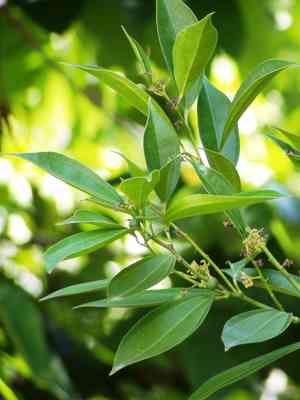
Laurel-leaf snailseed can be successfully reproduced via cuttings, a technique ideal for preserving the genetic characteristics of the parent specimen. Always use sanitized, sharp instruments when taking cuttings to avoid pathogen transmission. For best rooting results, a damp, free-draining substrate and diffused light are typically needed. Frequent spraying aids in sustaining adequate moisture levels without excessive saturation, which might cause decay.
Optimal Period for Laurel-leaf Snailseed Propagation
Propagation Method
Cutting
Propagation Period
Autumn,Winter
Equipment for Laurel-leaf Snailseed Propagation
Sharp pruning shears
These are vital for making clean, healthy cuts from laurel-leaf snailseed. Sharp blades ensure a precise incision, minimizing harm to the parent plant and boosting the likelihood of successful rooting. This is crucial as a ragged or bruised cutting may struggle to establish new roots or could lead to infection.
Rooting hormone powder or gel
This product stimulates root development from the cut ends of laurel-leaf snailseed cuttings. Applying a rooting hormone to the stem's base helps accelerate the root formation process, significantly increasing the chance of successful propagation. It also aids in protecting the cut tissue from pathogens.
Sterile potting mix
A clean, well-draining growing medium is essential for propagating laurel-leaf snailseed via cuttings. A sterile mix prevents the introduction of diseases that could harm the cuttings before they establish roots. Its texture allows for proper aeration and moisture retention, critical factors in root formation.
Propagation tray with dome
This tool provides a regulated environment for laurel-leaf snailseed cuttings. The dome helps maintain high humidity levels, which are necessary to prevent the cuttings from drying out before they root. Furthermore, trays facilitate organized propagation, allowing multiple cuttings to be rooted simultaneously in a compact space.
Heat mat
Especially beneficial for laurel-leaf snailseed propagation, a heat mat promotes consistent bottom warmth, which can significantly encourage root development, particularly in cooler climates. Consistent, gentle heat can accelerate the rooting process, reducing the time cuttings are vulnerable to fungi and other pathogens.
How to Propagate Laurel-leaf Snailseed?
Propagation Type
Moderately Difficult
Caring for Your Newly Propagated Laurel-leaf Snailseed
Caring for Your Newly Propagated Laurel-leaf Snailseed
Once laurel-leaf snailseed cuttings have rooted and show new growth, gradually introduce them to less humid conditions by removing the plastic cover or opening the propagation dome. Transplant them into larger containers as needed with a similar well-draining soil mix. Ensure they receive bright, indirect light and water them regularly, allowing the soil to dry slightly between waterings. Note that laurel-leaf snailseed tolerates various light conditions but thrives in partial shade. Regular pruning will help maintain a compact and healthy growth habit.
Common Errors to Avoid When Propagating Laurel-leaf Snailseed
Insufficient rooting space
When propagating laurel-leaf snailseed, a common error is using containers that are too small, restricting the development of a healthy root system. This limitation can hinder growth and reduce the overall health and vitality of the plant.
Overwatering
Providing too much water during the rooting process of laurel-leaf snailseed can lead to root rot, a condition that can kill the young plants. Overwatering creates an anaerobic environment that inhibits root growth and encourages fungal diseases.
Neglecting humidity needs
Ignoring the humidity requirements of laurel-leaf snailseed during propagation can lead to desiccation and poor root formation. This species typically prefers a more humid microclimate for optimal root development.
Using unsterilized tools
Using unsterilized propagation tools or containers can introduce pathogens to laurel-leaf snailseed, leading to diseases that can severely affect propagation success and plant health.
Advice for Propagating Laurel-leaf Snailseed
Appropriate rooting medium
Use a light, well-draining medium when propagating laurel-leaf snailseed to encourage healthy root growth. Avoid dense soils that retain excessive water, which can lead to root rot.
Moderate watering
Maintain a balance in watering practices when propagating laurel-leaf snailseed. The rooting medium should be moist but not waterlogged. This balance aids in preventing root diseases while providing sufficient moisture for root development.
Humidity control
Creating a humid environment around laurel-leaf snailseed during propagation can significantly enhance rooting success. Using a humidity dome or misting the plants regularly can help maintain the required moisture level without soaking the soil.
Sterilization of tools
Ensure all tools and containers used for propagating laurel-leaf snailseed are thoroughly sterilized. This practice prevents the spread of diseases and ensures a healthy start for the new plants.



