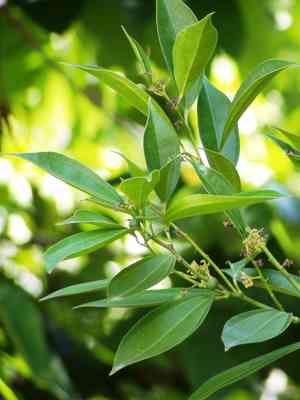
Laurel-leaf snailseed(Cocculus laurifolius)

Laurel-leaf snailseed (Cocculus laurifolius)

Also known as: Laurel-leaved snailseed

The laurel-leaf snailseed (Cocculus laurifolius) is a versatile plant, often used in landscaping for its lush, glossy green foliage. This shrub or small tree is commonly employed to create dense screens or hedges, adding aesthetic appeal and privacy to gardens and backyards.

However, there are some concerns to be aware of:
1. **Toxicity**: The leaves and other parts of the plant contain toxic substances, which can pose a risk if ingested by humans or animals.
2. **Allergies**: Pollen from male plants may trigger allergic reactions in sensitive individuals, causing respiratory issues or skin irritation.

Despite these hazards, with careful placement and management, the laurel-leaf snailseed can be a valuable addition to various landscaping projects.

Attributes of Laurel-leaf snailseed

Lifespan
Perennial
Plant Type
Tree, Shrub
Plant Height
8 m
Spread
8 m
Leaf Color
Dark green
Flower Size
1 cm to 5 cm
Flower Color
White Green

ForwardPlant - Identify plants with a snap

Identify and diagnose plants, get toxicity alerts, and explore safety guides for all types of fungi.

Try for Free

Images of Laurel-leaf snailseed

Laurel-leaf snailseed(Cocculus laurifolius)

Quickly Identify Laurel-leaf snailseed

1
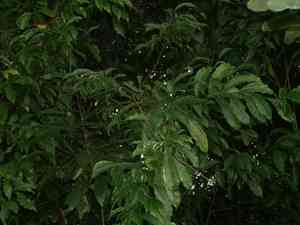
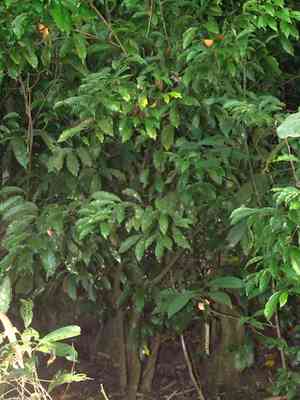
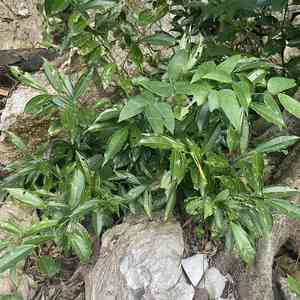
Large evergreen shrub or small tree, 15-25 feet (4.5-7.6 meters) in height and width.
2
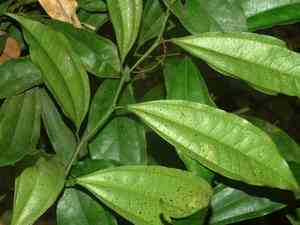
Leathery, dark green leaves measuring 6 inches long by 2 inches wide (15 cm by 5 cm).
3
Ovate-lanceolate leaves with three prominent veins.
4
Smooth brown trunk with spreading, arching branches.
5
Dioecious plant requiring both male and female specimens for berry production.

Scientific Classification of Laurel-leaf snailseed

Phylum
Vascular plants
Class
Dicotyledons
Order
Ranunculales
Family
Moonseed
Genus
Moonseeds
Species
Laurel-leaf snailseed

Planting and Growing of Laurel-leaf snailseed

Care Difficulty
Easy
Watering Schedule
Every 2 days
Sunlight Requirements
Partial sun
Sunshine Duration
6-10 hours
Ideal Temperature
60-75℉
Soil Type
Potting Mix, Peat Mix
Soil pH
6.5-7.5
Fertilizer Type
Balanced
Pruning Season
Spring, Summer
Pruning Area
Branches, Leaves
Pruning Frequency
Once a year
Repotting Season
Spring
Pot Type
Ceramic, Plastic

water icon How to Water Laurel-leaf snailseed?

For Cocculus laurifolius, water the plant thoroughly until the water drains out of the drainage holes. The soil should be consistently moist but not waterlogged. Ensure a balance between providing enough moisture for the roots without drowning them.
What are the symptoms of an underwatered Laurel-leaf snailseed? ›
What should I do if my Laurel-leaf snailseed is not getting enough water? ›
What are the symptoms of an overwatered Laurel-leaf snailseed? ›
How to save an overwatered Laurel-leaf snailseed? ›

sunlight icon What Are the Sunlight Requirements for Laurel-leaf snailseed?

Sunlight Requirements: Partial sun
Duration of light: 4-6 hours daily
Cocculus laurifolius thrives in part sun to partial shade, where it can enjoy filtered light. Access to ideal light enhances foliage health and supports robust growth.
What type of sunlight does it prefer? ›
How can you ensure it gets ideal lighting? ›
Why is providing ideal sunlight important for Cocculus laurifolius? ›
More About Sunlight Requirements Techniques→

temperature icon What Is the Ideal Temperature Range for Laurel-leaf snailseed?

Ideal Temperature: 60 ~ 75℉
The optimal temperature range for Cocculus laurifolius is between 60°F and 75°F. This range facilitates healthy growth and encourages blooming. Temperatures within this range allow the plant to perform photosynthesis efficiently, ensuring that it grows robustly and maintains its glossy, attractive foliage.

soil icon What Soil is Best for Laurel-leaf snailseed?

Soil type: Sandy loam, Loam
Soil PH: 6.5 ~ 7.5
Cocculus laurifolius thrives in well-drained soil, which helps prevent root rot and other water-related issues. By allowing excess water to filter away, this type of soil enhances root aeration and nutrient absorption, promoting vigorous growth. Soil rich in organic matter provides essential nutrients for Cocculus laurifolius. Organic material improves soil structure and fertility, ensuring that the plant receives a steady supply of nutrients for optimal health and growth. This plant prefers moderately moist soil conditions, ensuring that it remains hydrated without becoming waterlogged. Consistent moisture levels support healthy root development and help maintain lush foliage.

fertilize icon How to Fertilize Laurel-leaf snailseed?

Fertilizer type: Balanced
For Cocculus laurifolius, using a balanced 10-10-10 liquid fertilizer, apply about 1 gallon of diluted solution per plant for young saplings, reducing the concentration to half-strength as the plant matures. This ensures adequate nutrient supply without overwhelming young roots.

prune icon How to Prune Laurel-leaf snailseed?

Pruning Time: Spring, Summer
Monitor your plant throughout the growing seasons, especially during Spring and Summer. Performing regular, light prunings monthly is more beneficial than infrequent, heavy cuts, which could stress the plant and lead to decreased foliage density. Always wear gloves and protective eyewear when pruning Cocculus laurifolius, as its sap can cause skin irritation. Moreover, ensuring your tools are sanitized before starting will prevent potential disease transmission between plants. More About Pruning Techniques→

propagate icon How to Propagate Laurel-leaf snailseed plant?

Propagate Time: Spring, Early summer
1
Start by collecting seeds from the mature Cocculus laurifolius berries. Clean them thoroughly to remove any flesh, which can harbor mold or other pathogens. Once cleaned, allow them to dry before planting.
2
Select semi-hardwood cuttings, about 8-10 cm long, from healthy plants. Remove the lower leaves, and dip the cut end in a rooting hormone to enhance root development. Plant the cuttings in a mix of sand and peat for optimal drainage.
3
After planting seeds or cuttings, maintain moist soil conditions, avoiding waterlogging. Ensure the seedlings or cuttings receive indirect light by placing them in a location with partial shade. Too much direct sunlight can cause stress or desiccation.
More About Propagating Techniques→

repot icon How to Repot Laurel-leaf snailseed plant?

Repotting frequency: Once every two years
1
This plant requires repotting when the roots start circling the bottom of the pot or when growth slows down noticeably. Ideally, repotting should occur when you notice that water drains too quickly through the soil or when root systems appear cramped.
2
Select a pot that is one or two sizes larger than the current one. A slightly larger container encourages root growth without overwhelming the plant with too much soil, which can lead to water retention issues. Ensure the pot has good drainage holes.
3
Opt for a well-draining, nutrient-rich soil mix to maintain optimal moisture levels while providing essential nutrients. A mixture containing components such as peat, perlite, and loamy soil is ideal, promoting healthy root development and preventing root rot.

ForwardPlant - Identify plants with a snap

Find the best spots for them to optimize their health, simply using your phone.

Try for Free

Toxicity

ingestion

Identify toxic plants for your safety

Learn which plants are harmful to you and your pets, and make informed choices for a safer home!

Try for Free
WARNING
The judgment on toxicity and danger is for reference only. We DO NOT GUARANTEE any accuracy of such judgment. Therefore, you SHALL NOT rely on such judgment. It is IMPORTANT TO SEEK PROFESSIONAL ADVICE in advance when necessary.