How to Prune Texas bullnettle?
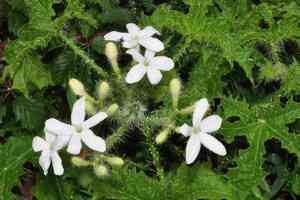
Texas bullnettle, a stinging nettle indigenous to Texas and adjacent regions, is identifiable by its thorny stalks and leaves. Trim texas bullnettle in the spring or summer to eliminate deceased or compromised foliage, manage its dimensions, and stimulate fresh development. Wear protective gloves to prevent skin discomfort. Trimming contributes to more robust plants by enhancing air movement and lowering the likelihood of illness. Plan to reduce the plant's size by one-third, concentrating on mature stems to foster robust, dense growth.
What Are the Benefits of Pruning Texas Bullnettle?
What Are the Benefits of Pruning Texas Bullnettle?
Trimming texas bullnettle promotes vigorous development by eliminating dead or crowded branches, which enhances air movement and light penetration. Regular shaping helps maintain an attractive form and prevents the plant from becoming excessively large and unruly.
What Is the Best Time for Pruning Texas Bullnettle?
What Is the Best Time for Pruning Texas Bullnettle?
Pruning texas bullnettle during late spring to early summer coincides with the period immediately following the plant's initial growth surge, which typically occurs in early spring. This timing allows for the removal of any winter frost damage and helps direct new growth. It ensures that pruning does not negatively affect the plant's blooming cycle, as texas bullnettle flowers in summer and, for some varieties, into fall. Pruning at this stage encourages healthier foliage and more abundant flowering since the plant is entering an active growth phase. It also reduces the risk of disease and pest infestations, which could exploit fresh cuts made in more humid or wet seasons. Additionally, it provides an opportunity for the gardener to effectively shape the plant and manage its size before its rapid summer growth.
What Tools Do I Need to Prune Texas Bullnettle?
Bypass Pruners
Texas bullnettle possesses a relatively tough stem when mature, necessitating sharp and precise cutting implements. Bypass pruners deliver a clean cut without crushing the stem, which is vital for preserving plant health.
Thick Gloves
Given the stinging hairs present on texas bullnettle, it is essential to safeguard hands during pruning. Thick gloves can prevent skin irritation and offer a better grip on the tools.
Long-sleeved Shirt and Pants
Covering arms and legs provides additional defense against the irritating hairs of texas bullnettle.
Safety Glasses
To shield eyes from the plant's defensive hairs, safety goggles or glasses should be worn while pruning.
Loppers
For thicker or hard-to-reach stems, loppers provide extra leverage and reach, simplifying the pruning of texas bullnettle without getting too close to the irritating hairs.
Pruning Saw
For mature texas bullnettle specimens with very thick stems, a sharp pruning saw may be required as it can manage larger diameters.
Garden Fork or Shovel
To detach and remove deeply rooted parts of texas bullnettle when necessary, a garden fork or shovel can be employed to dig around the base before extraction.
How to Prune Texas Bullnettle
Preparation
Wear protective gloves and long sleeves to avoid texas bullnettle's stinging hairs. Use clean, sharp pruning tools for precise cuts.
Diseased Leaves
Identify and remove any leaves showing signs of disease by cutting them off at the base of the leaf stem, to prevent the spread of disease in texas bullnettle.
Withered Leaves
Trim off texas bullnettle's withered or dead leaves at their base to maintain plant health and appearance. Cut close to the main stem to encourage new growth.
Diseased Stems
Cut back any diseased stems on texas bullnettle to healthy tissue, well below the affected area, to promote healthy regrowth and prevent the spread of pathogens.
Cleanup
Dispose of the removed material far from texas bullnettle to prevent reinfection, and sanitize your pruning tools after finishing to avoid spreading any diseases.
Common Pruning Mistakes with Texas Bullnettle
Inadequate Protection
Novice gardeners may not realize that texas bullnettle has stinging hairs that can cause irritation. Failing to wear gloves and long sleeves during pruning is a common mistake.
Improper Tool Selection
Using dull or dirty pruning tools can lead to jagged cuts and increase the risk of disease for texas bullnettle.
Over Pruning
Removing too much foliage can stress texas bullnettle, limiting its ability to photosynthesize and recover properly.
Flush Cuts
Making cuts flush against the main stem can damage texas bullnettle's collar, leaving it susceptible to pests and diseases.
Neglecting Clean Up
Failing to remove debris after pruning can invite pests and diseases that feed on decaying plant material.
Ignoring Plant Health
Pruning without assessing the health of texas bullnettle can result in cutting away healthy growth instead of targeting dead, diseased, or damaged stems.
Common Pruning Tips for Texas Bullnettle
Safety First
Always wear protective gear, including gloves and long sleeves, to avoid stinging hairs when handling texas bullnettle.
Tool Maintenance
Use sharp, clean pruning shears to ensure clean cuts that texas bullnettle can easily recover from.
Selective Pruning
Focus on removing dead, diseased, or damaged stems from texas bullnettle, as well as thinning out dense areas to improve air circulation.
Angled Cuts
Make angled cuts above leaf nodes to promote healthy new growth and prevent water accumulation that could lead to rot.
Conservation Mindset
Prune conservatively, ensuring you are not removing more than one-third of texas bullnettle's growth to maintain its vitality.
Post-Pruning Care
Clean up all pruning debris to prevent any disease spread and monitor texas bullnettle for signs of stress or pests following trimming.



