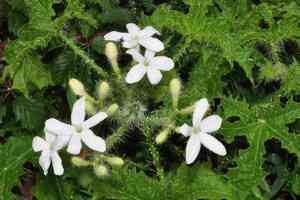
Texas bullnettle (Cnidoscolus texanus)
Also known as: Finger Rot, Mala mujer
The Texas bullnettle is found in Texas, Arkansas, Kansas, Louisiana, and Oklahoma. It has stinging hairs that can cause significant pain, burning, and itching for hours. This perennial plant features fragrant white flowers, and its ripe seeds are edible.
Attributes of Texas bullnettle
Images of Texas bullnettle
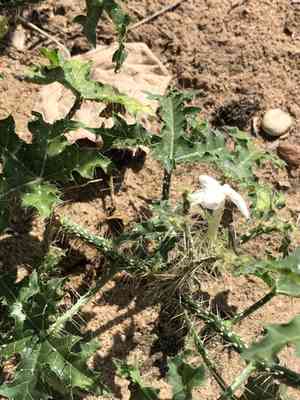
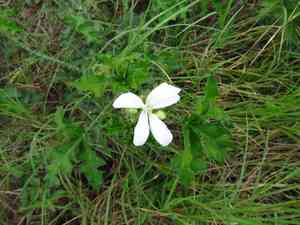
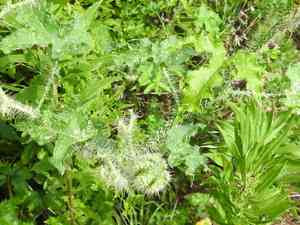
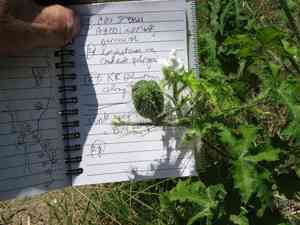
Quickly Identify Texas bullnettle
Scientific Classification of Texas bullnettle
Planting and Growing of Texas bullnettle
 How to Water Texas bullnettle?
 What Are the Sunlight Requirements for Texas bullnettle?
 What Is the Ideal Temperature Range for Texas bullnettle?
 What Soil is Best for Texas bullnettle?
 How to Fertilize Texas bullnettle?
 How to Prune Texas bullnettle?
 How to Propagate Texas bullnettle plant?
 How to Repot Texas bullnettle plant?
Toxicity of Texas bullnettle
Is Texas bullnettle toxic to humans?
Texas bullnettle is a toxic plant, with the exception of its berries and seeds. Its leaves are not safe to eat and contain a toxin that acts as a skin irritant. Both the leaves and stems are adorned with minuscule nettles that can provoke irritation upon contact with skin. Mild symptoms include redness, burning, and itching, while more severe reactions may involve intense pain and significant inflammation. Due to the presence of nettles, there have been no reported cases of ingestion, whether accidental or intentional. It is advised to cover all exposed skin while handling this plant to prevent contact with its leaves and stems.



