How to Propagate Texas bullnettle?
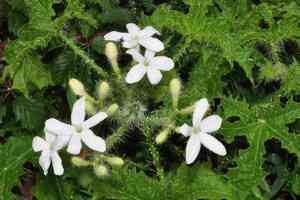
Cnidoscolus texanus is a perennial plant recognized for its irritating bristles and appealing white blossoms. Reproduction mainly occurs through seeding, with the seeds needing a porous soil blend to encourage successful sprouting. Cultivators must ensure steady hydration without saturating the soil, which is vital for the tender young plants. After they have taken root, the young plants ought to be cautiously moved to their permanent spot, taking care to avoid disrupting the roots to foster robust development.
Optimal Time for Texas Bullnettle Propagation
Propagation Method
Seeding
Propagation Period
Spring
Essential Tools for Texas Bullnettle Propagation
Seed trays
Seed trays are vital for sowing texas bullnettle seeds. They facilitate even seed distribution and provide ample space for initial growth. Their modular design is advantageous for texas bullnettle, allowing easy seedling transplant without disturbing the delicate root system, crucial for this species' early development.
Horticultural sand
Incorporating horticultural sand into the soil or using it as a top layer significantly improves the growing medium's drainage. For texas bullnettle, which can be sensitive to waterlogging, this ensures the soil remains well-drained and aerated, fostering healthier root growth and reducing the risk of root diseases often linked to excessive moisture.
Watering can with a fine rose
A watering can fitted with a fine rose (sprinkler head) is perfect for gently watering texas bullnettle seeds without dislodging them. This tool ensures that delicate seeds and emerging seedlings receive moisture in a soft, diffused manner, preventing damage from a strong water flow that could expose or displace the seeds.
Labels and markers
Using labels and markers to identify seed trays is essential for organized propagation, especially when managing multiple batches or species. For texas bullnettle, which may require specific care or tracking of growth stages, labels aid in monitoring development and ensuring each batch receives appropriate care tailored to its stage.
How to Propagate Texas Bullnettle?
Propagation Type
Simple
Caring for Your Newly Propagated Texas Bullnettle
Caring for Your Newly Propagated Texas Bullnettle?
Post-propagation, gradually introduce young texas bullnettle plants to their permanent growing site. They thrive in full sun and require well-draining soil. Water regularly, but allow the soil to dry between waterings to prevent root rot. Lightly fertilize with a balanced fertilizer during the growing season to encourage strong growth. As a robust native, texas bullnettle is relatively low maintenance, but keep an eye out for occasional pests like aphids.
Common Propagation Mistakes to Avoid with Texas Bullnettle
Overwatering
Excessive watering can lead to root rot or fungal infections, as texas bullnettle prefers well-drained soil. Too much moisture hinders root development and compromises the plant's overall health.
Using unsterilized tools
Propagating with unsterilized tools can introduce pathogens to texas bullnettle, potentially causing infections or diseases that impede growth and propagation success.
Ignoring personal safety
Handling texas bullnettle without protective gloves can cause skin irritation due to its stinging hairs. This common oversight might deter proper plant handling and care.
Tips for Propagating Texas Bullnettle
Use of cuttings
Propagating texas bullnettle from root cuttings can be particularly effective. Ensure a sharp, clean tool is used for the cut, and plant the cutting in a suitable growth medium, positioning it well for root development.
Soil preparation
Preparing the correct soil mix (loamy and well-draining) promotes better root establishment for texas bullnettle. Poor soil conditions can hinder root growth, which is vital for successful propagation.
Protective gear
Always wear gloves and protective clothing when handling texas bullnettle to avoid contact with its stinging hairs. This safety measure ensures the gardener can comfortably manage the plant without harm.



