How to Prune Scarlet calamint?
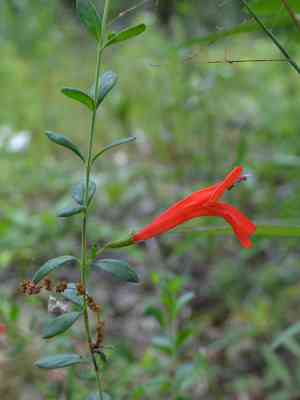
Scarlet calamint, a lively perennial recognized for its brilliant red flowers, flourishes with consistent trimming aimed at shaping and fostering denser development. The most suitable periods for pruning are in late spring and all through the summer while the plant is actively developing. After the initial flowering, lightly cut back to stimulate a subsequent blooming phase. Pruning not only preserves an appealing structure but also improves air circulation and light access, which are crucial for the plant's general well-being and flowering strength.
What Are the Benefits of Pruning Scarlet Calamint?
What Are the Benefits of Pruning Scarlet Calamint?
Trimming scarlet calamint encourages robust development and helps keep its compact, tidy form. Consistent cutting fosters denser foliage and supports strong health by eliminating weak or dead stems.
What Is the Best Time for Pruning Scarlet Calamint?
What Is the Best Time for Pruning Scarlet Calamint?
Pruning or trimming scarlet calamint in early Spring is ideal as it prepares the plant for new growth by removing any dead or damaged foliage incurred over the winter. This timing also helps in shaping the plant before the onset of the growth season, ensuring that energy is directed towards healthy new growth. In addition, a light trim during the Summer, particularly after the first flowering phase, can encourage a second bloom and help maintain an aesthetically pleasing shape and size. Pruning in these seasons aligns with scarlet calamint's natural growth cycle and enhances flowering, overall health, and vigor of the plant.
What Tools Do I Need to Prune Scarlet Calamint?
Hand Pruners
Perfect for making clean cuts on scarlet calamint's smaller, more delicate stems. Suited for the stem size and firmness, allowing for precise, healthy cuts without harming the plant.
Pruning Shears
Effective for shaping and maintaining the dense growth of scarlet calamint. These shears offer a more robust mechanism perfect for slightly thicker stems or branches, ensuring neatness and promoting good plant health.
Gardening Gloves
Crucial for protection when pruning scarlet calamint due to its dense foliage. Gloves prevent scratches and provide a better grip on the tools while working.
Pruning Saw
Essential for older, woodier parts of scarlet calamint that might thicken over time. The saw allows for cutting through thicker stems that regular shears might not manage, preventing damage to the plant and the gard well-keepter.
How to Prune Scarlet Calamint
Identify
Locate and separate diseased or withered leaves and any infected stems from healthy sections of scarlet calamint. Carefully examine scarlet calamint for any signs of discoloration, wilting, or deformities that could indicate disease or decay.
Sanitize
Disinfect your pruning tools before starting and after cutting away any diseased materials. Use a solution of 1 part bleach to 9 parts water to disinfect your shears or scissors, to prevent the spread of diseases.
Cut
Carefully remove the diseased or withered leaves as well as any diseased stems. Make clean cuts close to the main branch or stem without damaging the healthy parts. Use sharp, clean pruning shears to ensure precise cuts.
Dispose
Properly discard the diseased and withered plant material. Do not compost as this could allow the disease to spread in the compost. Seal in a plastic bag and dispose of it in the trash to prevent reinfection.
Monitor
Continue to monitor scarlet calamint regularly for further signs of disease or distress. Ensure that scarlet calamint has adequate air circulation and light, and adjust care as necessary to maintain its health and vigor.
Common Pruning Mistakes with Scarlet Calamint
Overpruning
A frequent error is removing too much foliage from scarlet calamint, which can stress the plant and lead to a significant reduction in flowering. This plant benefits from moderate pruning to stimulate growth and blooms, but excessive cutting back can harm its health and vibrancy.
Improper cut sites
Cutting scarlet calamint in the wrong places can lead to uneven growth and potential damage to the plant structure. Ideal cuts should be made just above a leaf node or branching point to promote healthier, bushier growth.
Using dull tools
Utilizing dull or unclean pruning tools on scarlet calamint can create jagged cuts that poorly heal and may introduce disease. Sharp, clean cuts ensure quicker healing and reduce the risk of infection.
Neglecting form
Ignoring the natural shape of scarlet calamint during pruning can lead to a loss of plant aesthetics and overall health. It is crucial to maintain the natural form while pruning, to support both appearance and growth.
Common Pruning Tips for Scarlet Calamint
Timing frequency
Regularly check scarlet calamint for dead or diseased stems throughout the growing season and remove them as necessary. This not only maintains the health but also the appearance of the plant.
Selective pruning
Focus on thinning out dense areas of scarlet calamint to increase air circulation and exposure to sunlight, which are essential for reducing disease risk and promoting robust growth.
Rejuvenation approach
Employ rejuvenation pruning every few years by cutting scarlet calamint back to its base to encourage new growth, improve airflow, and enhance flowering potential.
Aesthetic shaping
While shaping scarlet calamint, ensure to follow its natural contour for optimal growth and visual appeal. This method aids in maintaining both the health and the aesthetic quality of the plant.



