The Scarlet calamint Plant Advantage: Maximizing Home and Office Appeal and Wellness
1
Scarlet calamint draws helpful pollinators to your garden, boosting ecological variety.
2
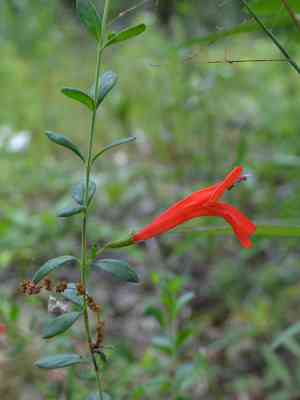
This species is recognized for its vivid crimson blooms that contribute to visual appeal.
3
Scarlet calamint is simple to cultivate and care for, perfect for both new and seasoned gardeners.
Why Opt for Scarlet Calamint in Your Garden?
Natural Allure
A primary benefit of Scarlet calamint is its remarkable capacity to draw in helpful pollinators like bees, butterflies, and hummingbirds. This not only aids in the fertilization of your flora but also supports the well-being and survival of these vital creatures.
Visual Charm
Scarlet calamint stands out with its vibrant red blossoms, which can add striking visual appeal to any garden. These flowers can last throughout the growing period, offering a consistent burst of color. Its lively appearance makes it a favorite among gardeners aiming to enhance their outdoor spaces' aesthetic.
Growing and Tending to Scarlet Calamint
Optimal Growth Conditions
Scarlet calamint flourishes in well-draining soil and prefers spots that receive ample sunlight. It tolerates various soil types, making it a versatile choice for diverse garden environments. Ensuring your Scarlet calamint plants get at least six hours of sun daily will maximize their blooming potential and overall vitality.
Watering and Upkeep
Once established, Scarlet calamint is fairly drought-tolerant, making it an excellent option for water-wise gardening. Regular irrigation during dry spells is advised, but avoid overwatering as it can lead to root rot. Trimming spent flowers encourages continuous blooming and maintains a tidy look.
Environmental Advantages of Scarlet Calamint
Fostering Biodiversity
By offering habitat and food sources for pollinators, Scarlet calamint plays a crucial role in promoting biodiversity. Pollinators are essential for the reproduction of many plant species, and having Scarlet calamint in your garden can contribute to a healthier, more balanced ecosystem.
Erosion Prevention
Scarlet calamint also aids in preventing soil erosion. Its root system anchors the soil, reducing runoff and preserving topsoil. This makes it particularly beneficial in areas susceptible to erosion from wind or rain.
How to Propagate Scarlet Calamint
Seed Propagation
One of the easiest ways to propagate Scarlet calamint is via its seeds. Sow seeds in a well-drained potting mix and keep them moist until germination occurs. Transplant the seedlings once they are robust enough to handle.
Cuttings and Division
Alternatively, Scarlet calamint can be propagated using cuttings or by division. Take softwood cuttings in spring or summer and root them in a damp environment. For division, separate the plant clumps during their dormant phase and replant them directly into your garden.
Common Pests and Remedies
Aphids and Spider Mites
Common pests such as aphids and spider mites can occasionally affect Scarlet calamint. Monitoring your plants and applying insecticidal soap or neem oil can effectively manage these pests without harming the environment.
Fungal Issues
Scarlet calamint is generally resistant to many plant diseases, but can sometimes succumb to powdery mildew or rust. Ensuring adequate air circulation and avoiding excessive watering can help prevent these fungal problems.



