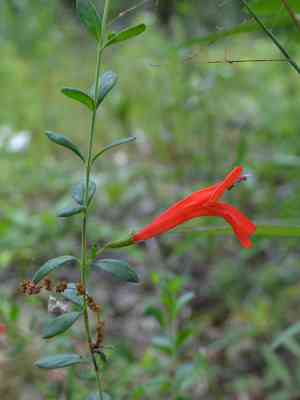
Scarlet calamint (Clinopodium coccineum)
Also known as: Scarlet Sage, Tropical Sage
Penstemon is a stunning perennial that features vibrant tubular flowers, often in shades of red or pink, which are highly attractive to hummingbirds. This hardy plant thrives in well-drained soils and can flourish in both sunny and partly shaded areas. With its striking blooms and robust nature, Penstemon is a popular choice for gardeners looking to add vivid color to their outdoor spaces.
In This Article
Attributes of Scarlet calamint
Lifespan
Perennial
Plant Type
Herb, Shrub
Plant Height
30 cm to 91 cm
Spread
1 to 2 feet (30-60 cm)
Leaf Color
Green
Flower Size
1 inch (2.5 cm)
Flower Color
Red
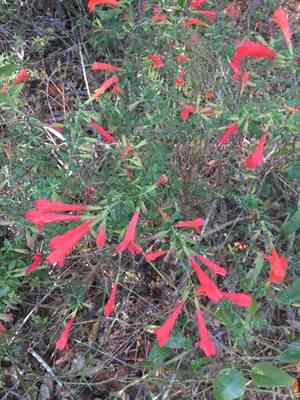
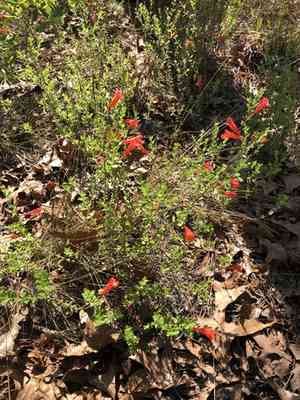
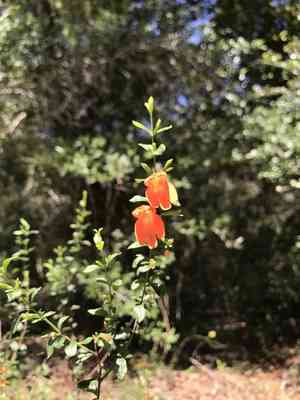
Images of Scarlet calamint
Quickly Identify Scarlet calamint
1
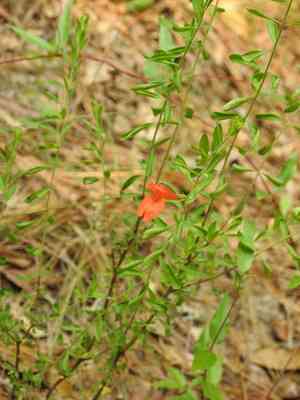
Identify Clinopodium coccineum by its bright red, tubular flowers and its square-stemmed, mint-like appearance. The leaves are opposite, simple, and have serrated edges. The distinctive red flowers are a key identifying feature.
Scientific Classification of Scarlet calamint
Phylum
Vascular plants
Class
Dicotyledons
Order
Lamiales
Family
Mint
Genus
Clinopodium
Species
Scarlet calamint
Planting and Growing of Scarlet calamint
Care Difficulty
Easy
Watering Schedule
Every 2 days
Sunlight Requirements
Full sun
Sunshine Duration
6-10 hours
Ideal Temperature
65-75℉
Soil Type
Potting Mix, Peat Mix
Soil pH
6.5-7.5
Fertilizer Type
Balanced
Pruning Season
Spring, Summer
Pruning Area
Branches, Leaves
Pruning Frequency
2 times a year
Repotting Season
Spring
Pot Type
Plastic, Terracotta
 How to Water Scarlet calamint?
Clinopodium coccineum prefers soil that is moderately moist but not waterlogged. When watering, ensure the top inch of soil is dry before adding water. Each watering should deliver approximately 250 ml directly to the root zone until the soil is evenly moistened but not drenched.
What are the symptoms of an underwatered Scarlet calamint?
›
What should I do if my Scarlet calamint is not getting enough water?
›
What are the symptoms of an overwatered Scarlet calamint?
›
How to save an overwatered Scarlet calamint?
›
 What Are the Sunlight Requirements for Scarlet calamint?
Clinopodium coccineum thrives in full to partial sun, ideally receiving 4 to 6 hours of bright light daily. This balance promotes robust growth and vivid flower production, essential for this sun-loving species.
What is the best location for Clinopodium coccineum to receive ideal lighting?
›
How does one ensure Clinopodium coccineum receives its required sunlight hours?
›
What benefits does Clinopodium coccineum derive from ideal lighting conditions?
›
 What Is the Ideal Temperature Range for Scarlet calamint?
For optimal growth, Clinopodium coccineum thrives in temperatures ranging from 65°F to 75°F. This range ensures that the plant has a consistent level of warmth necessary for its metabolic processes and photosynthesis. Maintaining this temperature range can lead to lush foliage and vibrant flowering.
 What Soil is Best for Scarlet calamint?
Clinopodium coccineum thrives in well-drained soils, preventing waterlogging which can cause root rot. Well-drained soil also ensures that roots have access to necessary oxygen, promoting robust plant growth. This plant prefers soils of moderate fertility. While not overly demanding, the presence of some organic matter enriches the soil, providing essential nutrients that support lush and healthy foliage. Maintaining consistent soil moisture without overwatering is crucial. This helps the plant to establish a strong root system and supports its flowering and growth cycles without stress.
 How to Fertilize Scarlet calamint?
For Clinopodium coccineum, a moderate approach to fertilization works best. Use approximately 1/2 teaspoon of liquid fertilizer per gallon of water for each application or a couple of spoonfuls of solid fertilizer around the plant's base. Avoid over-fertilizing as it can harm the plant.
 How to Prune Scarlet calamint?
Begin by inspecting the plant for any dead or diseased branches and remove them entirely using clean, sharp pruning shears. This reduces the risk of disease and encourages healthy growth. Next, trim back any overgrown shoots to maintain the desired shape and size of the plant. Be sure to cut at a 45-degree angle just above a leaf node, as this will promote new growth. Remove spent flowers to extend the blooming season and keep the plant looking vibrant. Finish by lightly thinning the interior of the plant, if necessary, to allow light and air to penetrate, which helps prevent mold and rot.
More About Pruning Techniques→
 How to Propagate Scarlet calamint plant?
1
Start by collecting seeds from mature Clinopodium coccineum plants. Clean the seeds by removing any flesh or debris. Soak them in water overnight to enhance germination rate. This preparation helps in mimicking their natural conditions and increases success in germination.
2
Fill a seed tray with a well-draining potting mix. Scatter the seeds evenly and cover them lightly with soil. Water the setup gently with a spray bottle to prevent dislodging the seeds. Maintain the soil moisture consistently to ensure optimal conditions for germination.
3
Select healthy, non-flowering stems of approximately 4-6 inches in length. Use pruning shears to make a clean cut. Dip the cut end in rooting hormone to promote root development. Plant the cutting in a pot filled with a propagation mix and keep it in a warm, humid environment.
 How to Repot Scarlet calamint plant?
1
Repotting Clinopodium coccineum is essential when you notice roots circling the bottom of the pot or water draining too quickly. Early spring, just before new growth appears, is ideal as the plant is gearing up for an active phase, ensuring it withstands the stress of repotting with vigor.
2
Opt for a pot that is one to two inches larger in diameter than the existing one. This allows roots to spread comfortably without overwhelming the plant with too much soil, which could retain excess moisture. A pot with drainage holes is paramount, preventing potential root rot by allowing excess water to escape.
3
Choose a well-draining sandy mix to replicate its natural habitat. Such soil prevents water from stagnating, which can lead to root rot, and provides a stable base for healthy root development. This soil composition assists in nutrient absorption while maintaining the necessary aeration.



