How to Prune Citron?
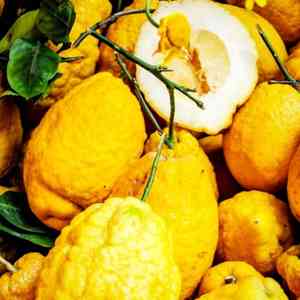
A spiny fruit-producing plant yielding sizable, aromatic fruits, the citron necessitates structural trimming to improve air circulation and light exposure. Following the harvest in spring, eliminate any deceased wood, feeble shoots, and intersecting limbs to preserve its form. Reducing the density of the foliage encourages robust bud formation. Excise suckers and vigorous vertical shoots to channel energy towards fruit development. Strategic pruning enhances fruit dimensions and excellence, deters ailments, and simplifies collection. Exercise caution due to the presence of thorns.
What Are the Benefits of Pruning Citron?
What Are the Benefits of Pruning Citron?
Trimming citron encourages stronger, more abundant branching, potentially increasing fruit yield. Regular cutting helps citron maintain a manageable form and size, enhancing air flow and light exposure, crucial for robust growth and reducing disease risk.
What Is the Best Time for Pruning Citron?
What Is the Best Time for Pruning Citron?
Pruning citron from late winter to early spring, just before new growth begins, offers several advantages. This timing allows for the removal of cold-damaged or diseased wood without harming the plant's vitality, as healing is faster at the start of the growth cycle. Additionally, pruning before the spring growth spurt stimulates new development, shaping the tree and fostering a strong structural foundation. This period also precedes citron's main fruiting season, ensuring that pruning does not diminish fruit production. By pruning during this recommended window, gardeners help citron direct energy towards developing healthy new branches and plentiful fruit.
What Tools Do I Need to Prune Citron?
Pruning Shears
Perfect for making clean cuts on citron's smaller branches and twigs. Excellent for precise shaping and removing dead or diseased material.
Lopper
Suitable for cutting thicker citron branches that might be too large for pruning shears. Provides increased leverage and reach.
Pruning Saw
Best for cutting through citron's largest branches where shears and loppers are ineffective. Ensures clean cuts without harming the plant.
Hedge Shears
Useful for shaping and trimming hedges if citron is grown as part of a hedge row, ensuring uniformity and neatness in appearance.
Pole Pruner
Helpful when citron's branches are out of reach. Allows pruning from the ground without needing a ladder.
How to Prune Citron
Clean Tools
Sanitize pruning shears and saws with alcohol or a bleach solution to prevent disease spread while trimming citron.
Dead Branches
Identify and remove dead branches from citron, cutting at a slight angle just above a healthy bud or branch to encourage proper healing and new growth.
Diseased Branches
Carefully cut away diseased branches, ensuring you remove the entire affected area to prevent infection from spreading throughout citron. Burn or discard the diseased material away from healthy plants.
Thin Crown
Thin out the crown of citron if necessary by selectively removing overlapping branches to improve air circulation and light penetration, which can help prevent disease.
Injured Limbs
Examine citron for injured limbs that may not be obviously dead or diseased but are weak or damaged, and trim them back to healthy wood to improve plant vigor and structure.
Common Pruning Mistakes with Citron
Over-Pruning
Removing too much growth at once can stress citron, hindering its ability to produce fruit and making it more susceptible to disease.
Improper Cuts
Incorrect cutting techniques, such as leaving stubs or cutting too close to the trunk, can cause damage and create entry points for pests and diseases.
Neglecting Tool Hygiene
Failing to clean and sterilize pruning tools can spread disease between plants, which is particularly harmful to citron.
Ignoring Dead Wood
Not removing dead or diseased branches can compromise the overall health and aesthetics of citron, as these can attract pests and inhibit growth.
Common Pruning Tips for Citron
Selective Thinning
Remove only the necessary branches to enhance light penetration and air circulation, which promotes healthy growth in citron.
Making Clean Cuts
Use sharp, clean tools to make precise cuts at a 45-degree angle away from a bud, ensuring quick healing and reducing the risk of disease.
Prune For Structure
Focus on creating a strong scaffold structure by selectively cutting to encourage a balanced shape and support fruit production in citron.
Aftercare
After pruning, apply a suitable wound sealant to larger cuts to protect citron from infections and pests, and water adequately to support recovery.



