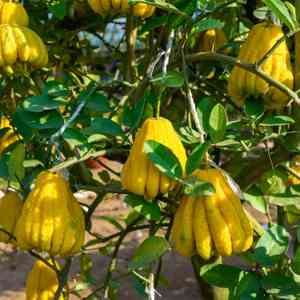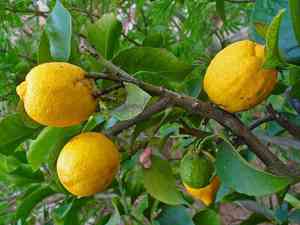
Citron(Citrus medica)

Citron (Citrus medica)

Also known as: Buddha's hand

The citron (*Citrus medica*) is a citrus species with a history of cultivation going back at least 2,500 years, as evidenced by ancient pollen records. Unlike the juicy lemon, citron is primarily made up of a thick rind with minimal pulp. It is one of the oldest citrus fruits, existing long before lemons were developed through selective breeding. Citron holds significant religious importance and is used in various ceremonies, especially in the Mediterranean area.

Attributes of Citron

Lifespan
Perennial
Plant Type
Tree, Shrub
Plant Height
1.8 m to 8 m
Spread
90 cm to 6 m
Leaf Color
Green
Flower Size
2.5 cm to 5 cm
Flower Color
White Pink Purple

ForwardPlant - Identify plants with a snap

Identify and diagnose plants, get toxicity alerts, and explore safety guides for all types of fungi.

Try for Free

Images of Citron

Citron(Citrus medica)

Quickly Identify Citron

1
Citron can be identified by its large, elongated, and knobby fruits. The fruit's thick rind can be yellow or green. The leaves are large and oblong, and the plant has sharp thorns.

Scientific Classification of Citron

Phylum
Vascular plants
Class
Dicotyledons
Order
Maples, mangos, mahogany, citrus, and allies
Family
Rue
Genus
Citrus
Species
Citron

Planting and Growing of Citron

Care Difficulty
Hard
Watering Schedule
Every 4 days
Sunlight Requirements
Full sun
Sunshine Duration
6-10 hours
Ideal Temperature
60-85℉
Soil Type
Potting Mix, Peat Mix
Soil pH
5.5-7.5
Fertilizer Type
Balanced
Pruning Season
Spring, Summer
Pruning Area
Branches, Leaves
Pruning Frequency
2 times a year
Repotting Season
Spring
Pot Type
Plastic, Terracotta

water icon How to Water Citron?

Citrus medica, commonly known as the citron tree, needs careful watering to thrive. The aim is to keep the soil consistently moist but not waterlogged. Water your plant until the top inch of soil feels moist, pouring about 500 milliliters until excess begins to drain from the pot to avoid root rot.
What are the symptoms of an underwatered Citron?
What should I do if my Citron is not getting enough water?
What are the symptoms of an overwatered Citron?
How to save an overwatered Citron?

sunlight icon What Are the Sunlight Requirements for Citron?

Sunlight Requirements: Full sun
Duration of light: 8 to 10 hours daily
Citrus medica thrives in full sun conditions, benefiting from consistent exposure. Adequate light induces better photosynthesis, promoting vigorous growth and richer fruit yield.
What type of light is best for Citrus medica?
How can I ensure Citrus medica receives ideal lighting?
What are the benefits of ideal lighting for Citrus medica?
More About Sunlight Requirements Techniques

temperature icon What Is the Ideal Temperature Range for Citron?

Ideal Temperature: 60 ~ 85℉
The ideal temperature range for Citrus medica, also known as the citron, is between 60°F and 85°F. This range promotes optimal growth and fruit development. Within this range, the plant can effectively carry out photosynthesis, maintain cell structure, and absorb nutrients from the soil.

soil icon What Soil is Best for Citron?

Soil type: Loam, Sandy loam
Soil PH: 5.5 ~ 7.5
Citrus medica thrives in well-drained soil. This ensures that the roots receive enough oxygen and prevents waterlogging, which can lead to root rot. The benefit of such soil is healthier root systems and vigorous plant growth. This plant requires soil that is rich in organic matter. Nutrient-rich soil provides essential nutrients that promote lush foliage and robust fruit production, supporting the plant's overall vitality. Maintaining a soil pH between 5.5 and 7.5 is crucial for Citrus medica. It affects nutrient availability and prevents micronutrient deficiencies. This balance fosters optimal plant health and minimizes potential growth issues.

fertilize icon How to Fertilize Citron?

Fertilizer type: Balanced
For Citrus medica, use a well-balanced fertilizer such as a 10-10-10 or 12-12-12 formula. Apply 1 to 2 tablespoons of granular fertilizer per plant if the tree is small, and increase the amount to 2 to 4 tablespoons for medium-sized trees. Adjust accordingly, as excessive amounts can harm the plant.

prune icon How to Prune Citron?

Pruning Time: Spring, Summer, Autumn, Winter
Begin by inspecting the plant for dead or diseased branches. Use sharp, clean pruning shears to remove these parts entirely. Next, thin out the branches to allow sunlight to penetrate the canopy, which promotes fruit development. Cut back any crossing or rubbing branches to prevent wounds and disease entry. To shape Citrus medica, start by removing any water sprouts or suckers at the base. Then, silhouette the tree by trimming the branches that extend beyond the desired shape. This helps the tree focus its energy on producing fruits and ensures a balanced, aesthetic appearance. More About Pruning Techniques

propagate icon How to Propagate Citron plant?

Propagate Time: Early spring,Spring,Summer
1
Soak the seeds in warm water for 24 hours to soften the seed coat and improve germination rates. Plant them in a seed tray filled with a well-draining potting mix.
2
Cut a healthy branch about 10-15 cm in length. Ensure each cutting has a few leaf nodes. Remove the leaves from the bottom half of the cutting.
3
Choose a compatible rootstock and perform cleft grafting. Make a clean cut on both the scion and rootstock, then secure them together with grafting tape.
More About Propagating Techniques

repot icon How to Repot Citron plant?

Repotting frequency: Every 2-3 years
1
Repotting should be considered when you notice that the plant's roots are circling around the base of the pot, appearing through the drainage holes, or when the plant is growing slower than usual. Spring or early summer is the ideal time, as this is when the plant is actively growing and can better adapt to its new environment.
2
Selecting a pot with proper drainage holes is crucial to prevent water stagnation, which can lead to root rot. Opt for a pot that is one size larger than the current one to give the roots room to expand. A clay or terracotta pot can benefit Citrus medica by allowing air exchange and preventing overwatering.
3
A well-draining, loamy soil mix is essential for Citrus medica since it aids in preventing waterlogged roots. Look for soil mixes that combine organic matter like compost with sand or perlite, ensuring the mix stays airy and promotes healthy root growth. This balance prevents overwatering and encourages nutrient absorption.
More About Repotting Techniques

ForwardPlant - Identify plants with a snap

Find the best spots for them to optimize their health, simply using your phone.

Try for Free

Toxicity of Citron

Is Citron toxic to cat?

Citron, recognized for its moderate toxicity, presents a considerable threat to the health of cats. If they accidentally consume any part of the citron plant, they risk poisoning, given that the entire plant is toxic. After exposure, cats may display a range of physical distress symptoms. Although the precise toxins found in citron are not specified, pet owners should remain alert for any alterations in their cat's condition, such as signs of distress or illness. Should accidental ingestion occur, it is crucial to obtain immediate veterinary assistance to ensure the cat's safety and wellbeing.

Is Citron toxic to dog?

Citron presents a moderate level of toxicity to dogs. If canines accidentally consume any portion of this plant, they may become poisoned. Upon ingestion of citron, dogs might display a range of symptoms that signify poisoning. It is imperative for dog owners to remain alert and safeguard their pets from accessing citron. Should a dog ingest this plant, it is vital to seek immediate veterinary assistance to address the poisoning appropriately.

Identify toxic plants for your safety

Learn which plants are harmful to you and your pets, and make informed choices for a safer home!

Try for Free
WARNING
The judgment on toxicity and danger is for reference only. We DO NOT GUARANTEE any accuracy of such judgment. Therefore, you SHALL NOT rely on such judgment. It is IMPORTANT TO SEEK PROFESSIONAL ADVICE in advance when necessary.
More About Toxic Techniques