How to Prune Velvetleaf?
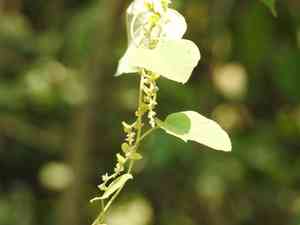
For velvetleaf, a vining perennial characterized by cordate foliage and a plush feel, the ideal period for trimming is late winter or early spring, prior to the onset of vigorous development. Remove any lifeless or excessively long stems to preserve its form and stimulate robust growth. Consistent cutting back can avert excessive density and enhance air movement, thereby lowering the likelihood of ailments. Furthermore, pruning improves the plant's aesthetic appeal, rendering it a more pleasing element in horticultural settings.
What Are the Benefits of Pruning Velvetleaf?
What Are the Benefits of Pruning Velvetleaf?
Trimming velvetleaf promotes more robust, vigorous development and maintains a tidy look. Strategic cuts enhance air circulation and light penetration, essential for the plant's vitality.
What Is the Best Time for Pruning Velvetleaf?
What Is the Best Time for Pruning Velvetleaf?
Trimming velvetleaf in early spring or late winter is advantageous as the plant is typically dormant then, reducing stress and minimizing sap loss. This allows for the removal of any dead or damaged growth before the new growing season begins. This timing also avoids disrupting its flowering or fruiting cycles, as velvetleaf enters its active growth phase with warmer weather. Strategic pruning during these seasons contributes to healthier growth and improved vigor, as the plant can heal and redirect energy to new growth more efficiently.
What Tools Do I Need to Prune Velvetleaf?
Bypass Pruners
These are perfect for making clean cuts on live plant material. Given velvetleaf's relatively slender stems, bypass pruners will offer the precision needed for trimming without crushing the plant tissue.
Garden Scissors
For more delicate or detailed trimming, especially for reaching confined areas within velvetleaf's foliage, garden scissors are beneficial. They enable precise snipping and shaping.
Handheld Pruning Saw
If velvetleaf has any thicker, woody stems, a handheld pruning saw can simplify the task. The saw is suitable for larger branches that bypass pruners or garden scissors cannot manage.
Pruning Shears
For general upkeep and shaping of velvetleaf, pruning shears can be used to quickly and effectively snip away unwanted growth.
How to Prune Velvetleaf
Disinfect tools
Before beginning, ensure all pruning shears and tools are sanitized to prevent disease transmission to velvetleaf.
Identify diseased
Thoroughly inspect velvetleaf to pinpoint any diseased leaves. Look for discoloration, spots, or other disease indicators, which suggest leaves that require removal.
Remove diseased leaves
Carefully snip off diseased leaves from velvetleaf, cutting at the base of the leaf stem. Make sure to create clean cuts to avoid unnecessary harm to the plant.
Identify withered leaves
Locate withered or dead leaves on velvetleaf. These are typically dry, brown, or brittle and no longer benefit the plant's development.
Remove withered leaves
Trim away the withered leaves in the same manner as the diseased leaves, cutting at the base of the leaf stem. This will help encourage healthy growth and air circulation for velvetleaf.
Common Pruning Mistakes with Velvetleaf
Over-pruning
Removing too much foliage from velvetleaf at once can stress the plant, leading to weak development or even plant demise.
Improper cut location
Cutting too far from a node or into the main stems of velvetleaf can cause undue damage and hinder the plant's recovery process.
Using dull tools
Trimming velvetleaf with blunt tools can result in ragged cuts that are more vulnerable to disease and pests.
Neglecting tool hygiene
Failing to sterilize pruning tools before use can spread pathogens to velvetleaf from infected plants.
Pruning without a plan
Random or excessive trimming without understanding velvetleaf's growth pattern can lead to a misshapen or less vigorous plant.
Common Pruning Tips for Velvetleaf
Sharp clean cuts
Utilize sharp, clean tools to make precise cuts on velvetleaf to minimize damage and promote faster healing.
Prune for shape
Focus on maintaining velvetleaf's natural form while trimming, removing only what is necessary to enhance the plant's structure and health.
Identify growth nodes
Understand the placement of growth nodes on velvetleaf to make strategic cuts that will encourage desired growth and blooming.
Incremental pruning
Gradually trim velvetleaf over several seasons if significant size reduction is required, rather than doing it all at once.
Disinfect tools
Always sanitize pruning tools before and after use to prevent the spread of diseases to or from velvetleaf.
Remove dead material
Regularly eliminate dead, diseased, or damaged material from velvetleaf to improve air circulation and overall plant well-being.



