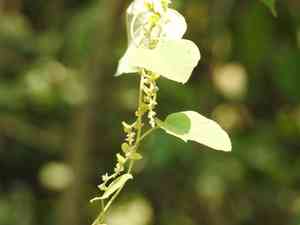
Velvetleaf (Cissampelos pareira)
Also known as: Velvetleaf, Abuta, Pareira Root, Bat-root
Velvetleaf (Cissampelos pareira) is a flowering plant known for its non-threatening appearance, often overlooked in gardens. Its leaves are notable for their soft, velvety texture due to a covering of fine hairs. Despite its unassuming look, it is designated as a noxious weed in several US states, such as Colorado and Iowa. This classification is due to its ability to spread rapidly, produce a high volume of persistent seeds, aggressively compete with native species and crops, and resist eradication efforts. These factors collectively contribute to its invasive potential and the challenges it poses to native ecosystems and agriculture.
In This Article
Attributes of Velvetleaf
Lifespan
Perennial
Plant Type
Vine, Shrub
Plant Height
0.5 to 3 meters
Spread
Variable, depending on where it climbs
Leaf Color
Green
Flower Size
5 cm to 10 cm
Flower Color
Yellow Green
Images of Velvetleaf
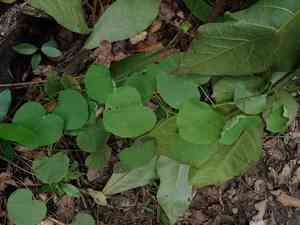
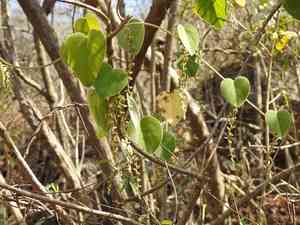
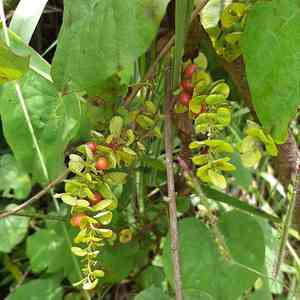
Quickly Identify Velvetleaf
1
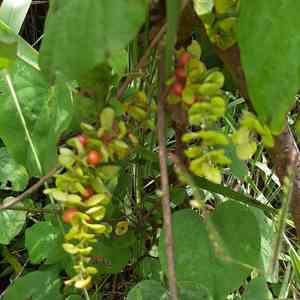
Cissampelos pareira can be identified by its climbing habit, the velvety texture of its leaves, and its small, clustered flowers. The leaves are heart-shaped and roughly 5-10 cm in length. The plant often has a woody base and twines around other plants or structures.
Scientific Classification of Velvetleaf
Phylum
Vascular plants
Class
Dicotyledons
Order
Ranunculales
Family
Moonseed
Genus
Cissampelos
Species
Velvetleaf
Planting and Growing of Velvetleaf
Care Difficulty
Easy
Watering Schedule
Every 3 days
Sunlight Requirements
Partial sun
Sunshine Duration
6-10 hours
Ideal Temperature
68-77℉
Soil Type
Potting Mix, Peat Mix
Soil pH
5.5-7.5
Fertilizer Type
Balanced
Pruning Season
Spring, Summer
Pruning Area
Branches, Leaves
Pruning Frequency
2 times a year
Repotting Season
Spring
Pot Type
Plastic, Terracotta
 How to Water Velvetleaf?
When watering Cissampelos pareira, ensure the soil is moist but not waterlogged. Aim for about 250 milliliters of water per session, adjusting based on climate and soil conditions. The goal is to moisten the root zone thoroughly without leaving standing water.
What are the symptoms of an underwatered Velvetleaf?
›
What should I do if my Velvetleaf is not getting enough water?
›
What are the symptoms of an overwatered Velvetleaf?
›
How to save an overwatered Velvetleaf?
›
 What Are the Sunlight Requirements for Velvetleaf?
Partial sun to full shade is ideal for Cissampelos pareira, promoting healthy foliage and growth. This range prevents leaf damage and supports overall plant health.
What are the ideal lighting conditions?
›
How to achieve optimal light conditions?
›
What are the benefits of ideal lighting?
›
 What Is the Ideal Temperature Range for Velvetleaf?
Cissampelos pareira thrives best in environments where temperatures consistently range from 68°F to 77°F. This range provides the optimal conditions for photosynthesis and metabolic processes, ensuring robust growth and overall plant health. Maintaining these temperatures allows the plant to efficiently manage water usage and nutrient uptake, which are crucial for its development.
 What Soil is Best for Velvetleaf?
Cissampelos pareira thrives in well-draining soil, which helps to prevent root rot by allowing excess water to permeate through. This is crucial for maintaining healthy root systems and promoting robust growth. A nutrient-rich soil ensures Cissampelos pareira receives essential minerals and nutrients needed for optimal growth. It supports lush foliage and enhances the plant's natural resilience against pests and diseases. While good drainage is essential, the soil should retain enough moisture to keep the plant hydrated, especially during dry spells. This balance helps sustain consistent growth and prevents stress from drought conditions.
 How to Fertilize Velvetleaf?
For Cissampelos pareira, the recommended fertilizer amount is moderate. Apply approximately half a teaspoon of balanced 10-10-10 NPK liquid fertilizer diluted in one liter of water every two weeks. For slow-release granules, scatter about one tablespoon per plant every four months.
 How to Prune Velvetleaf?
Ensure your pruning shears are clean and sharp. Disinfect them with rubbing alcohol to prevent the spread of any plant diseases. A sharp tool makes clean cuts that heal quickly, minimizing stress for Cissampelos pareira. Look for dead, diseased, or damaged branches and remove them first. Trim back any overly long vines to encourage bushier growth and maintain a pleasing shape. Also, focus on cutting back branches that cross over or tangle to improve structure. Make your cuts at a 45-degree angle about a quarter inch above a leaf node. This encourages new growth and prevents water from sitting on the cut surface, which could lead to decay.
More About Pruning Techniques→
 How to Propagate Velvetleaf plant?
1
Clean and dry the Cissampelos pareira seeds before planting. Soaking them in water for a few hours can improve germination rates by softening the seed coat.
2
Select a healthy parent plant and use sharp shears to cut a non-flowering stem section. Ensure the cutting is about 4-6 inches long to facilitate successful rooting.
3
Carefully dig up the plant and identify natural divisions in the root system. Separate these divisions with minimal damage to the roots and replant them individually.
 How to Repot Velvetleaf plant?
1
Cissampelos pareira needs repotting when its roots start emerging from the drainage holes, the plant shows signs of stunted growth, or the soil becomes overly compacted. The best time for this is in the Spring or Summer when the plant is actively growing, ensuring minimal stress for the plant.
2
Select a pot that is 1-2 inches larger in diameter than the current one. A pot with drainage holes is essential to prevent root rot. A slightly larger pot provides room for growth, maintaining the plant’s vigor and health.
3
A well-draining potting mix is vital, integrating materials like peat, perlite, and a bit of sand. This blend allows for aeration and prevents waterlogging, crucial for developing a robust root structure and healthy growth.
Learn More About Velvetleaf Diseases
Anthracnose
Bacterial Leaf Spot
Bacterial Wilt
Crown Gall
Cyst Nematode
Damping-off
Downy Mildew
Drought Stress
Fusarium Wilt
Gray Mold
Leaf Curl
Leaf Spot
Mosaic
Nutrient Deficiency
Nutrient Toxicity
Powdery Mildew
Root Rot
Root-knot Nematode
Rusts
Sooty Mold
Spider Mites
Temperature Stress
Thrips Damage
White Mold



