How to Prune Wheeler's thistle?
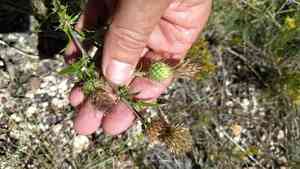
This enduring herbaceous plant, recognized by its pointed foliage and characteristic violet blossoms, thrives with trimming in the initial part of spring or the latter portion of winter. Trim wheeler's thistle by severing withered stalks and faded flowers to stimulate fresh development and deter ailments. Execute precise cuts with keen implements to avert harm to the specimen. Consistent trimming improves its visual attractiveness and fosters abundant flowering. Always don protective handwear because of the plant's prickly characteristics. Information sources: Gardening manuals such as those from the RHS and regional agricultural advisory services.
What Are the Benefits of Pruning Wheeler's Thistle?
What Are the Benefits of Pruning Wheeler's Thistle?
Trimming wheeler's thistle encourages robust development and helps maintain its form, ensuring healthy growth and preventing excessive size. Regular trimming can also reduce pest issues and disease transmission, improving the plant's overall health and look.
What Is the Best Time for Pruning Wheeler's Thistle?
What Is the Best Time for Pruning Wheeler's Thistle?
Trimming wheeler's thistle in late winter to early spring is ideal as it aligns with the plant's natural growth cycle. During this period, wheeler's thistle is dormant or experiencing minimal growth, which lessens stress and minimizes disease risk. Additionally, pruning before new growth starts ensures the plant can focus energy on developing healthy new shoots and foliage. This timing also avoids disrupting wheeler's thistle's blooming period, allowing for a more vigorous and abundant display in the growing season.
What Tools Do I Need to Prune Wheeler's Thistle?
Hand Pruners
Excellent for cutting small stems and branches. These are crucial for precise cuts and easy handling, especially useful for managing and shaping wheeler's thistle.
Loppers
Perfect for thicker stems and branches that hand pruners cannot handle. They offer greater leverage and cutting power, ensuring clean cuts while preserving the health of wheeler's thistle.
Gloves
Essential for protection from the spiny foliage of wheeler's thistle. Ensure gloves are durable and thorn-resistant to prevent injury.
Pruning saw
Useful for removing larger, older stems if wheeler's thistle grows too densely. A pruning saw can make clean cuts without harming the plant.
How to Prune Wheeler's Thistle
Assess
Carefully examine wheeler's thistle to identify all diseased and withered leaves. Focus on areas that appear unhealthy or dead.
Sanitize
Before starting, ensure pruning shears are disinfected with a 70% isopropyl alcohol solution to prevent pathogen spread.
Remove Diseased Leaves
Trim diseased leaves first. Cut them at the base of their stem, where they connect to the main plant or branch, ensuring a clean cut.
Remove Withered Leaves
Proceed to trim withered leaves next. Also cut these at the base of their stem, being careful not to damage adjacent healthy leaves or branches.
Dispose
Dispose of trimmed diseased and withered leaves by placing them in a sealed bag and discarding them in the trash. Avoid composting these parts to prevent any potential disease spread.
Common Pruning Mistakes with Wheeler's Thistle
Over-pruning
Cutting back too much of wheeler's thistle can lead to stress and reduced vigor. This species is designed to thrive with minimal pruning, and excessive cutting can hinder its natural growth cycle.
Improper Technique
Using dull or dirty tools can cause jagged cuts, increasing the risk of disease. Always ensure tools are sharp and sanitized before pruning.
Pruning at Wrong Nodes
Cutting too close to the main stem or at an incorrect angle can harm the plant. It's crucial to prune just above a node where new growth is expected.
Common Pruning Tips for Wheeler's Thistle
Use Sharp Tools
Always use well-maintained, clean pruning shears to make clean cuts. This helps prevent disease spread and ensures the plant can heal quickly.
Follow Natural Shape
Wheeler's thistle has a natural growth form, and pruning should aim to maintain this. Avoid creating unnatural shapes; instead, trim lightly to maintain its natural appearance.
Remove Damaged Growth
Focus on cutting away any dead, diseased, or damaged stems. This not only improves the plant's appearance but also fosters healthy growth by redirecting energy to healthier parts.
Limit Removal
Limit pruning to about one-third of the plant at any one time. This helps the plant recover more easily and reduces the risk of shock.



