How to Propagate Wheeler's thistle?
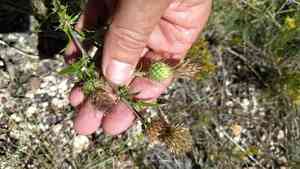
Wheeler's thistle, a perennial species, frequently inhabits dry environments. To achieve successful propagation, utilize newly harvested seeds, lightly burying them with substrate. Sustain steady hydration until sprouting occurs. Guarantee adequate water runoff to avert overly wet conditions. After seedlings are established, they flourish optimally in sun-exposed areas with soil that drains effectively. Consistent inspection for infestations can aid in preserving the plant's vitality. Consulting botanical references ensures appropriate cultivation and development.
When Is the Optimal Period to Propagate Wheeler's Thistle?
Propagation Method
Seeding
Propagation Period
Spring
What Equipment Is Utilized for Wheeler's Thistle Propagation?
Seed Trays
Seed trays offer a controlled setting for germinating wheeler's thistle seeds. They assist in maintaining proper spacing and are easily movable for optimal light or indoor care.
Fine Seed Compost
A fine seed compost guarantees good soil aeration and drainage, supplying essential nutrients for the delicate wheeler's thistle seedlings to flourish.
Spray Bottle
A spray bottle aids in gently moistening the soil without disturbing the seeds. This is crucial for wheeler's thistle, as excessive watering or strong water streams can dislodge fragile seeds.
Humidity Domes
Humidity domes maintain consistent humidity and temperature, creating an ideal microclimate for the germination of wheeler's thistle seeds.
Grow Lights
Grow lights ensure that wheeler's thistle seedlings receive adequate illumination, especially if indoor conditions lack sufficient natural sunlight. This promotes robust growth and healthy seedlings.
Seedling Heat Mats
Seedling heat mats provide consistent bottom warmth, which is vital for the germination of wheeler's thistle seeds, particularly in cooler environments.
Labeling Stakes
Labeling stakes help track the various stages or varieties of wheeler's thistle being propagated, ensuring proper identification and care.
How to Propagate Wheeler's Thistle?
Propagation Type
Simple
How to Nurture Your Newly Propagated Wheeler's Thistle?
How to Nurture Your Newly Propagated Wheeler's Thistle?
Post-propagation, wheeler's thistle requires well-drained soil and full sun exposure to thrive. Water moderately, allowing the soil to dry out between waterings. Apply mulch around the base to retain moisture and suppress weeds. Monitor for pests and diseases, and prune back any dead or damaged foliage to encourage healthy growth. Regularly check for seedlings and manage their spread to prevent overcrowding.
Common Errors to Avoid When Propagating Wheeler's Thistle
Overwatering
Excessive watering can lead to root rot, which severely hinders the plant's ability to grow and thrive.
Poor Soil Drainage
Utilizing soil that doesn't drain well can stress the plant and cause root diseases, impacting successful propagation.
Inadequate Sunlight
Failure to provide sufficient sunlight can result in weak, leggy growth, as wheeler's thistle prefers full sun to thrive.
Incorrect Soil pH
Using soil with an unsuitable pH can inhibit nutrient uptake, affecting overall plant health and growth.
Crowding Plants
Planting wheeler's thistle too close together can lead to competition for resources and increased vulnerability to pests and diseases.
Advice For Propagating Wheeler's Thistle
Well-Draining Soil
Ensure the use of well-draining soil to prevent waterlogging and root diseases.
Moderate Watering
Water moderately, allowing the soil to dry out between watering sessions to avoid root rot.
Full Sun Exposure
Place wheeler's thistle in a location where it receives ample sunlight to promote strong, healthy growth.
Balanced Soil pH
Maintain a balanced soil pH to ensure effective nutrient absorption. Test the soil and amend as necessary.
Adequate Spacing
Provide sufficient spacing between plants to reduce competition and lower the risk of disease.



