How to Prune Chionochloa juncea?
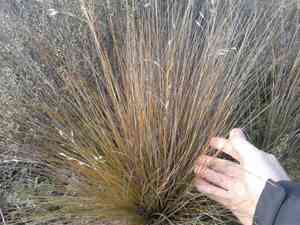
Distinguished by its elegant, slender clumps and delicate form, Chionochloa juncea thrives with trimming to control its outline and foster robust development. The most suitable periods for pruning are during the initial part of spring and throughout winter. Remove aged and compromised leaves down to the soil line, concentrating on sections that impede air circulation. Trimming boosts general vigor and guarantees the plant's extended lifespan. Refrain from excessive cutting to avert strain and preserve its unique architecture.
Advantages of Trimming Chionochloa Juncea
Advantages of Trimming Chionochloa Juncea
Chionochloa juncea benefits from trimming by promoting robust growth and maintaining its form. Trimming helps manage size, improves health by eliminating dead or diseased sections, and enhances air movement, reducing pest and illness problems. This encourages a strong and visually appealing plant.
Optimal Time for Trimming Chionochloa Juncea
Optimal Time for Trimming Chionochloa Juncea
Early spring and winter are the best times for trimming chionochloa juncea. Trimming in early spring leverages the plant's upcoming growth phase, allowing new development to proceed unhindered. This aligns with the natural growth and energy distribution of chionochloa juncea, ensuring healthy development and vitality. Winter trimming is also considered beneficial as the plant is dormant, minimizing stress and the risk of disease or pest infestations. Additionally, winter trimming helps foster a good structure and prepares the plant for vigorous growth in spring.
Tools Required for Trimming Chionochloa Juncea
Hand pruners
These are perfect for precise cuts on the smaller stems of chionochloa juncea, enabling controlled trimming without harming the plant.
Pruning shears
Useful for cutting back larger, denser clumps and stems of chionochloa juncea, especially after it has become thick.
Pruning saw
For handling any particularly thick or woody parts of chionochloa juncea that standard pruning shears cannot manage.
Loppers
Effective for reaching into the center of chionochloa juncea and cutting thicker stems with less effort.
Rake
Essential for clearing away debris and trimmed material after pruning chionochloa juncea, ensuring clean ground and stimulating healthy regrowth.
How to Trim Chionochloa Juncea
Inspect
Carefully examine chionochloa juncea for any diseased or withered leaves to identify the areas that require trimming.
Tool selection
Choose sharp and sanitized pruning shears to prevent the spread of disease and ensure clean cuts.
Remove diseased leaves
Trim away all diseased leaves by cutting them at the base of the leaf stem. Dispose of these leaves properly to prevent contamination.
Remove withered leaves
Cut off the withered leaves at their base, just above the healthy part of the plant to encourage new growth.
Dispose and clean
Dispose of all removed leaves in a compost bin or trash. Clean your tools with alcohol or a disinfectant after use to prevent any potential spread of disease.
Common Trimming Errors with Chionochloa Juncea
Incorrect technique
Using dull or unsuitable tools can harm the plant. It is crucial to use sharp, clean pruning shears to make clean cuts and minimize stress to chionochloa juncea.
Over-pruning
Removing too much foliage at once can weaken chionochloa juncea and hinder its ability to produce energy through photosynthesis. Over-pruning can also make the plant more vulnerable to diseases.
Trimming at improper angles
Cutting at awkward angles can cause water to collect on the cuts, increasing the risk of rot and fungal infections. Proper trimming requires making clean, angled cuts to facilitate water runoff.
Trimming too late or too early in growth cycle
Trimming at the wrong time in the growth cycle can disrupt budding and reduce the vigor of chionochloa juncea. While specific seasonal advice is omitted, timing relative to chionochloa juncea's growth stages is critical.
Common Trimming Tips for Chionochloa Juncea
Clean tools
Always disinfect your trimming tools before and after use to prevent the spread of diseases. This can be done with a solution of bleach and water or by using alcohol wipes.
Target dead and diseased parts
Focus first on removing any dead, damaged, or diseased leaves and stems. This helps to redirect the plantâs energy towards healthy growth.
Small, consistent trimming
Regularly trim small amounts to maintain your desired shape and size of chionochloa juncea. Consistent minor adjustments are preferable to infrequent major cuts as they reduce stress on the plant.
Promote air circulation
Thinning out congested areas can improve air circulation around chionochloa juncea, reducing the risk of fungal diseases. This often involves removing overcrowded or crossing branches.
Observe and adjust
Continuously monitor the growth habit of chionochloa juncea to understand its specific needs. Adjust your trimming technique over time to accommodate any changes in its growth pattern or health.



