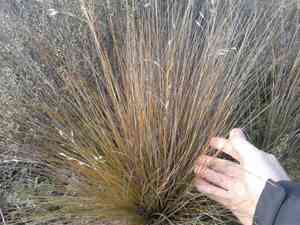
Chionochloa juncea (Chionochloa juncea)
Also known as: Sand tussock, Dunelands tussock
Chionochloa juncea is an unusually red and attractive tussock, as well as a threatened New Zealand grass species that is important in its local ecosystems. The main threat to this species is open cast coal mining, which has eradicated large populations of chionochloa juncea.
In This Article
Attributes of Chionochloa juncea
Lifespan
Perennial
Plant Type
Grass
Plant Height
0.5 to 1 meter
Spread
0.5 to 1 meter
Leaf Color
Bluish-green
Flower Size
Not applicable (feathery flower heads)
Flower Color
Pale yellow to cream
Images of Chionochloa juncea
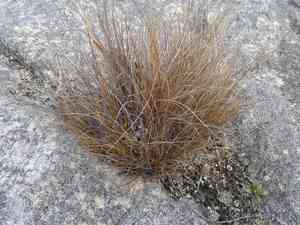
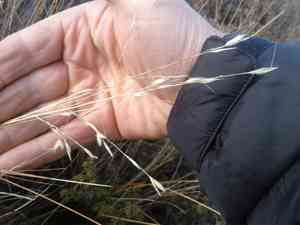
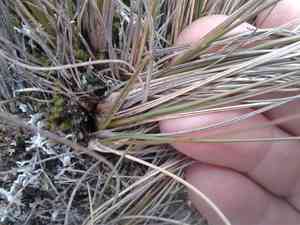
Quickly Identify Chionochloa juncea
1
Chionochloa juncea can be identified by its dense clumps of wiry, arching leaves that are often bluish-green in color. Its flower heads are typically feathery and appear from December to February.
Scientific Classification of Chionochloa juncea
Phylum
Vascular plants
Class
Monocotyledons
Order
Poales
Family
Grass
Genus
Snow grass
Species
Chionochloa juncea
Planting and Growing of Chionochloa juncea
Care Difficulty
Moderate
Watering Schedule
Every 2 days
Sunlight Requirements
Full sun
Sunshine Duration
6-10 hours
Ideal Temperature
60-75℉
Soil Type
Potting Mix, Peat Mix
Soil pH
6.5-7.5
Fertilizer Type
Balanced
Pruning Season
Spring, Summer
Pruning Area
Branches, Leaves
Pruning Frequency
2 times a year
Repotting Season
Spring
Pot Type
Plastic, Ceramic
 How to Water Chionochloa juncea?
Chionochloa juncea requires about 500 milliliters of water each session to maintain optimal health. It's crucial to strike a balance, ensuring that the soil is moist but never soggy. This plant thrives in well-drained conditions, so you should allow the topsoil to dry out slightly between waterings. Adequate drainage is vital to prevent root rot.
What are the symptoms of an underwatered Chionochloa juncea?
›
What should I do if my Chionochloa juncea is not getting enough water?
›
What are the symptoms of an overwatered Chionochloa juncea?
›
How to save an overwatered Chionochloa juncea?
›
 What Are the Sunlight Requirements for Chionochloa juncea?
Chionochloa juncea benefits from full to partial sun exposure. This lighting range ensures vibrant foliage, steady growth, and a robust resistance to various plant stressors.
What is the ideal light for Chionochloa juncea?
›
How can I ensure optimal lighting for Chionochloa juncea?
›
What are the benefits of optimal lighting?
›
 What Is the Ideal Temperature Range for Chionochloa juncea?
The ideal temperature range for Chionochloa juncea is between 60°F and 75°F. This temperature range allows the plant to perform optimum physiological functions, promoting healthy growth and vitality.
 What Soil is Best for Chionochloa juncea?
Chionochloa juncea thrives in well-drained soils that prevent waterlogging, which can lead to root rot. Good drainage ensures that the roots receive optimal oxygen levels, promoting healthy growth and vibrant foliage. This plant does best in soils with moderate nutrient levels, where excessive fertilization is avoided. This encourages the plant to establish a strong, natural growth pattern and resist common diseases. While Chionochloa juncea prefers well-drained soils, it also benefits from soils that retain a moderate level of moisture. This balance helps to maintain consistent hydration without causing stress to the plant.
 How to Fertilize Chionochloa juncea?
For Chionochloa juncea, apply liquid fertilizer at half the recommended strength to prevent over-fertilization. Use about 2 liters per square meter of planting area, ensuring an even distribution over the soil surface.
 How to Prune Chionochloa juncea?
Begin by inspecting the plant for any dead or diseased leaves and stems. Removing these will help redirect the plant's energy towards healthier growth. Prune back any overgrown stems to maintain the desired shape of the plant. This can vary according to personal preference but should aim for a neat and balanced appearance. When cutting stems, do so at a slight angle just above a leaf node. This encourages water runoff and reduces the chance of rot while promoting new growth just below the cut.
More About Pruning Techniques→
 How to Propagate Chionochloa juncea plant?
1
Collect seeds from mature Chionochloa juncea plants and dry them thoroughly. Once dried, store them in a cool, dry place until spring. This preparation enhances the likelihood of successful germination during appropriate planting seasons.
2
Fill seed trays with a seed starter mix and evenly spread the seeds on top. Cover them lightly with a thin layer of soil. Keep the trays in a warm location with indirect sunlight to promote germination.
3
During late spring or early summer, carefully dig up mature clumps. Use a sharp knife to divide the clump into smaller sections, ensuring that each section has roots and at least one shoot.
 How to Repot Chionochloa juncea plant?
1
You should consider repotting Chionochloa juncea when you notice roots growing through the drainage holes of the current pot, or if the growth seems stunted despite adequate care. Spring or summer provides the ideal growing conditions for the plant to recover and thrive.
2
Select a pot that is only slightly larger than the current one to prevent overwatering risks. A pot with enough drainage holes is essential to ensure excess water escapes, preventing root rot and nurturing healthy root systems. Material like terracotta can also aid in moisture regulation.
3
Opt for a well-draining sandy loam to mimic the plant’s natural habitat. This soil type provides excellent aeration, crucial to avoiding the waterlogging issues this grass species is susceptible to. The right soil will support healthy growth and vibrant foliage.



