How to Prune Chamaecrista?
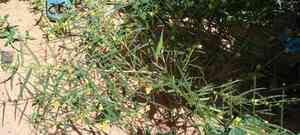
Chamaecrista, a leguminous shrub recognized for its fine leaves and golden blossoms, flourishes with consistent trimming to foster denser development and boost flower production. Perform pruning in late spring once the blooms have diminished to preserve its form and stimulate fresh shoots. Throughout the summer and autumn, minor cuts can be made to eliminate deceased or excessively long branches. Trimming not only encourages growth but also wards off ailments by enhancing air movement throughout the plant's framework.
Advantages of Trimming Chamaecrista
Advantages of Trimming Chamaecrista
Trimming chamaecrista promotes robust development and helps preserve its desired form. Consistent trimming ensures peak health and visual appeal, making it a practical method for garden upkeep.
Optimal Period for Trimming Chamaecrista
Optimal Period for Trimming Chamaecrista
Trimming chamaecrista in late spring coincides with the period after frost, enabling the removal of any frost-damaged branches without exposing new growth to potential late freezes. Early summer trimming aligns with vigorous growth, facilitating quick healing of cuts and fostering a denser growth habit. Mid to late fall is ideal as chamaecrista enters dormancy; trimming at this time minimizes plant stress and reduces the likelihood of disease or pest infestation that can occur during the vulnerable growth phase.
Required Tools for Trimming Chamaecrista
Hand Pruners
Perfect for making precise cuts on the young stems and slender branches of chamaecrista. Their accuracy and sharp blades allow for selective removal of specific stems to shape the plant or to eliminate any dead or diseased material without causing unnecessary harm to the rest of the plant.
Pruning Saws
Essential for cutting through thicker branches that hand pruners cannot manage. The serrated blade of a pruning saw facilitates easier cutting through woodier stems without tearing, which is vital for maintaining the health of chamaecrista.
Loppers
Beneficial when needing to trim branches that are slightly out of reach or when extra leverage is necessary. The long handles on loppers provide the gardener with more force to cleanly cut through medium-sized branches of chamaecrista without overexerting.
Gloves
Safeguard the gardener's hands from thorns and rough plant material when trimming chamaecrista. This is not only for protection but also for comfort during extended trimming tasks.
Disinfectant
Crucial for sanitizing trimming tools before and after use on chamaecrista, to prevent the spread of plant diseases. A simple solution, such as rubbing alcohol or a 10% bleach mixture, is effective for this purpose.
How to Trim Chamaecrista
Disinfect
Ensure trimming tools are clean and sanitized to prevent the spread of illness. Wipe the blades with a solution of 1 part bleach to 9 parts water or use rubbing alcohol before beginning the trimming process.
Identify
Inspect chamaecrista for shriveled leaves, which are the specific parts to be removed, as per the input. Identify leaves that are brown, dry, or appear diseased, indicating they are no longer beneficial to the plant's development.
Prune withered
Using sharp trimming shears, snip off the shriveled leaves at their base, near the stem. Make clean cuts to avoid tearing, which can harm chamaecrista. Be careful not to cut into the green, healthy part of the plant.
Dispose
Remove the clipped shriveled leaves from the area around chamaecrista to deter pests and disease from multiplying in the decaying plant material.
Monitor
Observe the plant after trimming, checking for new growth and additional shriveled leaves that may require removal in the future. Regular trimming helps maintain the health and appearance of chamaecrista.
Common Trimming Errors with Chamaecrista
Overpruning
Reducing chamaecrista's foliage by more than one-third can stress the plant, leading to a decrease in its ability to photosynthesize and store energy.
Improper cut location
Cutting too close to the main stem or leaving a large stub can both lead to disease and hinder proper healing.
Using dull tools
Dull trimming tools can cause jagged cuts, which are more susceptible to disease and may harm chamaecrista's overall health.
Removing too much old wood
Chamaecrista flowers on new growth, so excessively cutting back old wood can limit its blooming potential.
Disregarding plant shape
Random cutting without considering chamaecrista's natural shape can result in an uneven, aesthetically unpleasing plant.
General Trimming Advice for Chamaecrista
Sharp clean tools
Utilize sharp, clean trimming shears to make precise cuts that will heal more quickly, reducing the risk of disease for chamaecrista.
Cut angle
Make cuts at a 45-degree angle about a quarter inch above a leaf node or bud to encourage new growth in chamaecrista.
Thinning crowded areas
Thin out congested areas to enhance light penetration and air circulation, which helps prevent disease and promotes healthy growth in chamaecrista.
Maintenance pruning
Regularly remove dead or damaged branches to maintain chamaecrista's health and vigor.
Shaping
Trim chamaecrista to preserve its natural form, focusing on gradual, selective thinning rather than severe cuts.



