The Chamaecrista Plant Advantage: Maximizing Home and Office Appeal and Wellness
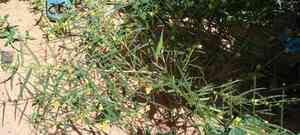
1
Chamaecrista is well-known for its contribution to soil recovery and preventing erosion.
2
This plant presents significant promise for organic pest management in farming.
3
Chamaecrista contains abundant nutrients that support general plant vitality and ecological diversity.
What Makes Chamaecrista So Special?
Ecological Role of Chamaecrista
Chamaecrista is crucial for maintaining ecological balance. A primary contribution is soil restoration. It boosts soil fertility by fixing nitrogen, increasing soil nutrient content. Furthermore, its root system helps prevent soil erosion, demonstrating its ability to protect and nourish the land. These qualities make it vital for ecosystem management and restoration efforts.
Biodiversity and Habitat Creation
Chamaecrista supports local biodiversity by providing habitats for various insects, birds, and other wildlife. The plant's dense leaves and flowers attract pollinators like bees and butterflies, aiding in pollination. Additionally, it offers cover and nesting sites for small animals, contributing to a balanced and thriving ecosystem.
Agricultural Benefits of Chamaecrista
Natural Pest Control
In agriculture, Chamaecrista acts as a natural ally in pest management. Some of its compounds serve as natural insect repellents, reducing the need for chemical pesticides. This ensures healthier crops and aligns with sustainable farming by minimizing chemical use and protecting beneficial insects.
Soil Enrichment and Crop Yield
By improving soil nitrogen levels, Chamaecrista indirectly enhances crop yields. Farmers often use it in crop rotation to revitalize the soil, boosting the productivity of subsequent crops. Additionally, organic matter from its decomposed parts improves soil structure, water retention, and microbial activity.
The Nutritional Value of Chamaecrista
Nutrient-Rich Composition
While Chamaecrista is primarily known for its ecological and agricultural roles, it also possesses a rich nutritional profile. The plant parts, especially the leaves, are packed with essential nutrients such as proteins, vitamins, and minerals. These nutrients not only benefit the plant but can also be used in organic fertilizers and compost, enhancing soil nutritive quality.
Potential in Green Manure
Chamaecrista can be used as green manure, returning organic matter and vital nutrients to the soil. This practice improves soil health, as the breakdown of plant material slowly releases nutrients over time. As green manure, Chamaecrista supports sustainable farming by naturally enhancing soil fertility.
Environmental Contributions of Chamaecrista
Combating Soil Erosion
A key benefit of Chamaecrista is its ability to fight soil erosion. Its strong root system binds soil particles, preventing them from being washed away during heavy rains. This property is especially useful in erosion-prone areas, where Chamaecrista can stabilize the terrain and protect the landscape.
Carbon Sequestration
Chamaecrista also contributes to climate change mitigation through carbon sequestration. By capturing and storing atmospheric carbon dioxide in its biomass, it helps lower the overall concentration of greenhouse gases. This ability highlights the plant's importance in boosting environmental sustainability and addressing global climate challenges.
How Chamaecrista Supports Sustainable Practices
Integrating Chamaecrista in Agroforestry
Agroforestry practices involving Chamaecrista have shown promising results in improving land-use efficiency. By intercropping this plant with other crops or trees, farmers can enhance field biodiversity, improve soil health, and increase yields. Such integrated practices support sustainable agriculture and long-term environmental stewardship.
Community and Economic Benefits
Beyond its environmental and agricultural advantages, Chamaecrista offers potential economic benefits for communities. It can be harvested and used in various forms, including as fodder, organic compost, or artisanal products. By promoting the cultivation and use of Chamaecrista, communities can achieve economic empowerment and resource sustainability.



