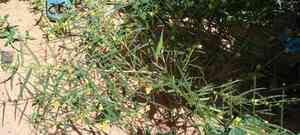
Chamaecrista (Chamaecrista mimosoides)
Also known as: Five-leaf cassia
Chamaecrista mimosoides is occasionally used to enhance soil fertility on poor soils and as animal fodder, despite containing the toxin anthraquinone chrysophanol. This bushy perennial herb is most notably identified by the winged projection found on the upper side of its leaves, setting it apart from similar species.
In This Article
Attributes of Chamaecrista
Lifespan
Annual, Perennial
Plant Type
Herb, Shrub
Plant Height
30 cm to 60 cm
Spread
Up to 0.5 meters
Leaf Color
Green
Flower Size
1-2 cm
Flower Color
Yellow
Images of Chamaecrista
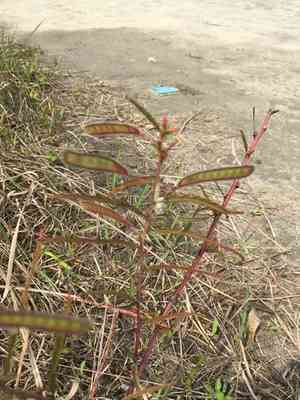
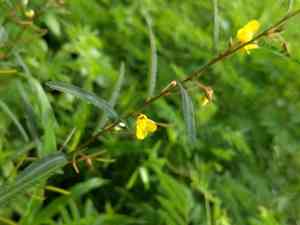
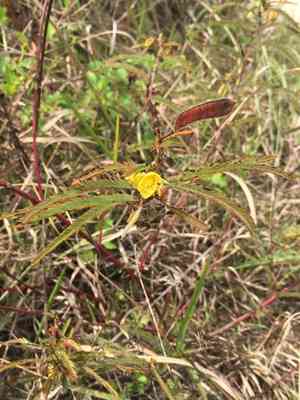
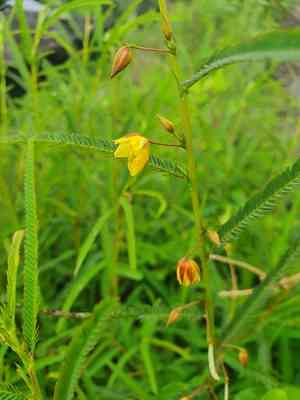
Quickly Identify Chamaecrista
1
Chamaecrista mimosoides can be identified by its compound, feathery leaves that exhibit seismonastic movement. The leaflets are small, oblong, and sensitive to touch. The flowers are bright yellow, forming in small clusters, and the stems are often slightly woody at the base.
Scientific Classification of Chamaecrista
Phylum
Vascular plants
Class
Dicotyledons
Order
Fabales
Family
Legume
Genus
Chamaecrista
Species
Chamaecrista
Planting and Growing of Chamaecrista
Care Difficulty
Easy
Watering Schedule
Every 4 days
Sunlight Requirements
Partial sun
Sunshine Duration
6-10 hours
Ideal Temperature
65-77℉
Soil Type
Potting Mix, Peat Mix
Soil pH
6.5-7.5
Fertilizer Type
Balanced
Pruning Season
Spring, Summer
Pruning Area
Branches, Leaves
Pruning Frequency
2 times a year
Repotting Season
Spring
Pot Type
Plastic, Ceramic
 How to Water Chamaecrista?
Chamaecrista mimosoides prefers to stay moist but not soggy. The soil should be damp but not waterlogged. Allow the top inch of soil to dry out before the next watering. This helps ensure the roots have adequate access to water without being drowned, which is crucial for optimal growth.
What are the symptoms of an underwatered Chamaecrista?
›
What should I do if my Chamaecrista is not getting enough water?
›
What are the symptoms of an overwatered Chamaecrista?
›
How to save an overwatered Chamaecrista?
›
 What Are the Sunlight Requirements for Chamaecrista?
For Chamaecrista mimosoides, partial sun exposure is ideal. This range allows it to receive necessary sunlight for photosynthesis, facilitating robust growth and vibrant flowering without the risk of light-induced stress.
How much sunlight is ideal for Chamaecrista mimosoides?
›
What are the solutions for achieving ideal lighting conditions for Chamaecrista mimosoides?
›
What benefits does Chamaecrista mimosoides experience when given ideal lighting?
›
 What Is the Ideal Temperature Range for Chamaecrista?
Chamaecrista mimosoides thrives best in temperatures between 65°F and 77°F. These conditions ensure optimal growth and health as the plant absorbs nutrients more effectively and maintains proper physiological functions.
 What Soil is Best for Chamaecrista?
Chamaecrista mimosoides thrives in well-drained soils, which prevent root rot and ensure optimal moisture availability. Such drainage allows for healthy root development, reducing stress and promoting vigorous growth. A soil rich in essential nutrients supports the healthy flowering and foliage of Chamaecrista mimosoides. Nutrient availability promotes lush growth and enhances resistance to diseases and pests. This plant prefers soil that retains moderate moisture, offering hydration without waterlogging. This balance is key to preventing wilting and maintaining sustained growth during dry periods.
 How to Fertilize Chamaecrista?
For Chamaecrista mimosoides, the recommended fertilizer amount is about one teaspoon of liquid fertilizer per plant per application. It's crucial to avoid over-fertilization to prevent nutrient burn. For slow-release granular fertilizers, use approximately 1/4 cup per plant every four months to ensure long-term nutrient availability.
 How to Prune Chamaecrista?
Start by removing any dead, damaged, or diseased branches using clean, sharp pruning shears. Target older growth for removal, about a third at a time, to encourage new, vigorous shoots. Trim above a node or a leaf to promote new growth in the desired direction. Regularly check for unwanted suckers and remove them to direct the plant's energy to its primary growth. To achieve a compact, neat shape, trim back overgrown or misplaced branches. Chamaecrista mimosoides naturally forms a bushy habit, so focus on maintaining its rounded appearance by cutting back shoots that extend beyond the desired shape. Gradually prune along the plant's natural lines to avoid a stunted look.
More About Pruning Techniques→
 How to Propagate Chamaecrista plant?
1
Harvest the seeds from mature seed pods of Chamaecrista mimosoides when they begin to split naturally. Ensure the seeds are dry before storing them for future use or planting.
2
Choose healthy, non-flowering stems and cut them into 4-6 inch segments. Ensure each cutting has at least 2-3 nodes, as these are the points where roots will form.
3
Fill the seed tray with a well-draining potting mix, lightly press seeds into the soil, and cover with a thin layer of soil. Maintain consistent moisture and keep the tray in a warm, bright location.
 How to Repot Chamaecrista plant?
1
Neglecting the need for a larger space, Chamaecrista mimosoides will alert you by displaying slow growth, or roots visibly emerging through drainage holes. Either of these distinct signs is an unmistakable signal that repotting should be undertaken.
2
Select a pot that is one size larger than the current one, and ensure it possesses drainage holes. This choice prevents waterlogged roots, giving them ample space to grow, which is crucial for the plant’s health and vitality.
3
Opt for a fast-draining, sandy soil mix facilitating adequate aeration and drainage. This prevents root rot and provides a stable environment for healthy root development, promoting overall plant vigor.
Toxicity
Ingestion
WARNING
The judgment on toxicity and danger is for reference only. We DO NOT GUARANTEE any accuracy of such judgment. Therefore, you SHALL NOT rely on such judgment. It is IMPORTANT TO SEEK PROFESSIONAL ADVICE in advance when necessary.



