How to Prune Spreading chervil?
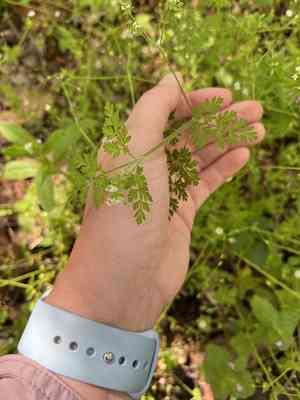
This enduring herbaceous species flourishes in diverse settings, exhibiting a low, expansive growth pattern. To best care for spreading chervil, perform a light trim following the initial burst of development to encourage a denser form. The most suitable times for trimming extend from Spring to Autumn, coinciding with spreading chervil's vigorous growth periods. Consistently remove faded blossoms to foster uninterrupted flowering and deter unwanted self-propagation. Trimming not only improves the plant's aesthetic but also stimulates fresh development and boosts its general well-being.
What Are the Benefits of Pruning Spreading Chervil?
What Are the Benefits of Pruning Spreading Chervil?
Trimming spreading chervil promotes robust development and helps preserve its form, which is crucial for its appearance and vitality. It allows for improved light exposure and air circulation, lowering disease risk and fostering strength.
What Is the Best Time for Pruning Spreading Chervil?
What Is the Best Time for Pruning Spreading Chervil?
Trimming spreading chervil in Spring is advantageous as it coincides with the start of its growth cycle, encouraging a strong flush of new growth after removing dead or weak branches. Early Summer pruning allows for shaping spreading chervil and helps manage its size while ensuring the plant isn't stressed during the hottest parts of the season. Pruning in early Fall enables gardeners to remove spent blooms or seed heads and tidy up the plant before winter dormancy, without risking new growth that could be harmed by impending cold weather.
What Tools Do I Need to Prune Spreading Chervil?
Bypass Pruners
Perfect for making neat, precise cuts on spreading chervil's delicate stems, which helps prevent illness and encourages vigorous growth.
Gardening Shears
Useful for trimming and shaping spreading chervil when its foliage becomes thick, ensuring cuts are even and uniform.
Thinning Shears
Helpful for selectively reducing crowded areas of spreading chervil, allowing light and air to reach the foliage and promote strong growth.
How to Prune Spreading Chervil
Clean tools
Before beginning, ensure all pruning implements are clean and sharp to prevent disease transmission and to make clean cuts.
Inspect
Thoroughly examine spreading chervil to identify all withered leaves that require removal. Look for foliage that is yellow, brown, or shows signs of illness.
Sterilize
Disinfect the pruning shears with alcohol or a bleach solution to prevent transferring pathogens to the healthy parts of spreading chervil.
Cut withered leaves
Using your sanitized pruning shears, carefully snip away the withered leaves of spreading chervil by cutting them at the base where the leaf stem meets the main stem or branch.
Dispose
Responsibly discard the pruned withered leaves, keeping them away from healthy plants to avoid any potential spread of disease.
Common Pruning Mistakes with Spreading Chervil
Over pruning
Removing too much of spreading chervil can weaken the plant, reduce its vitality, and distort its natural form. It's crucial not to remove more than one-third of the plant's foliage at any single time.
Imprecise cuts
Making ragged or torn cuts, or cutting too close to the main stem can harm spreading chervil and expose the plant to disease and pest infestations. It's important to make clean, sharp cuts at the correct location.
Overlooking dead material
Failing to remove dead or diseased wood can impede spreading chervil's growth and aesthetic appeal. Regular removal of these parts is vital for maintaining plant health.
Neglecting tool maintenance
Using dull or dirty pruning tools can damage spreading chervil and spread diseases. Always use sharp, clean shears to make precise cuts.
Ignoring plant structure
Disregarding the natural form of spreading chervil during pruning can lead to a loss of its inherent shape and reduced productivity. Gardeners should observe and work with the plant's natural growth habit.
Common Pruning Tips for Spreading Chervil
Sanitize tools
Before pruning spreading chervil, ensure all tools are disinfected to prevent the spread of disease.
Sharp cuts
Make precise, clean cuts to avoid harming spreading chervil and to encourage quicker healing.
Dead removal
Regularly remove dead, diseased, or damaged stems to promote healthy growth in spreading chervil.
Shape maintenance
Prune with the natural shape of spreading chervil in mind to maintain its aesthetic and improve sunlight penetration and air circulation.
Consider growth pattern
Understand the growth patterns of spreading chervil to prune in a way that encourages desired growth without hindering its natural tendencies.



