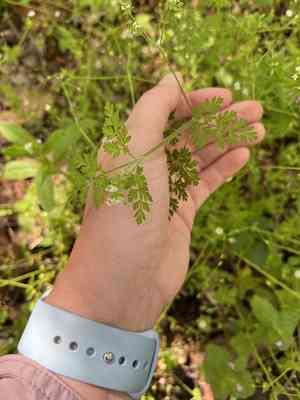
Spreading chervil (Chaerophyllum procumbens)
Also known as: Spreading Chervil, Spreading Keck
Spreading chervil (Chaerophyllum procumbens) is also known as wild chervil. It's important not to confuse it with its close relative, Chaerophyllum tainturieri, which shares the same common name. Differentiating these two can be challenging for anyone other than experienced botanists, especially before they produce seeds and fruit.
In This Article
Attributes of Spreading chervil
Lifespan
Annual
Plant Type
Herb
Plant Height
15 cm to 50 cm
Spread
30 cm
Leaf Color
Green
Flower Size
2.5 mm
Flower Color
White
Images of Spreading chervil
Quickly Identify Spreading chervil
1
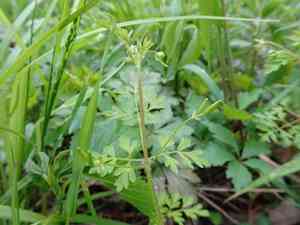
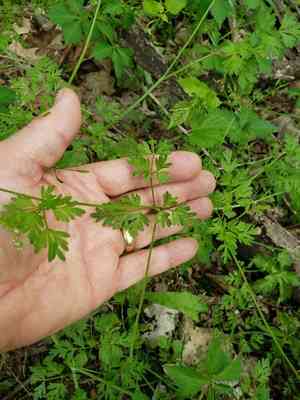
Chaerophyllum procumbens can be identified by its spreading habit, finely divided leaves, and small, umbrella-like clusters (umbels) of white flowers. The stems are usually weak and tend to trail along the ground.
Scientific Classification of Spreading chervil
Phylum
Vascular plants
Class
Dicotyledons
Order
Apiales
Family
Umbellifers
Genus
Chervil
Species
Spreading chervil
Planting and Growing of Spreading chervil
Care Difficulty
Easy
Watering Schedule
Every 2 days
Sunlight Requirements
Partial sun
Sunshine Duration
6-10 hours
Ideal Temperature
65-75℉
Soil Type
Potting Mix, Peat Mix
Soil pH
6.5-7.5
Fertilizer Type
Balanced
Pruning Season
Spring, Summer
Pruning Area
Branches, Leaves
Pruning Frequency
2 times a year
Repotting Season
Spring
Pot Type
Plastic, Ceramic
 How to Water Spreading chervil?
For Chaerophyllum procumbens, each watering should be thorough. This means drenching the soil until water runs out of drainage holes, approximately 500 ml per session. Ensure the top 2-3 inches of soil are moist but not waterlogged.
What are the symptoms of an underwatered Spreading chervil?
›
What should I do if my Spreading chervil is not getting enough water?
›
What are the symptoms of an overwatered Spreading chervil?
›
How to save an overwatered Spreading chervil?
›
 What Are the Sunlight Requirements for Spreading chervil?
Chaerophyllum procumbens ideally prospers in partial to full shade. This lighting ensures balanced growth with little risk of leaf scorch, maintaining the plant's health and vibrancy.
What is the optimal light condition for Chaerophyllum procumbens?
›
How can you achieve optimal lighting for this plant?
›
What are the benefits of the ideal lighting condition?
›
 What Is the Ideal Temperature Range for Spreading chervil?
For optimal growth of Chaerophyllum procumbens, maintaining a temperature range between 65°F and 75°F is ideal. This range supports stable metabolic processes and aids in effective nutrient uptake. Ensuring that the plant environment fluctuates minimally within this range will help in achieving robust growth and flowering.
 What Soil is Best for Spreading chervil?
Chaerophyllum procumbens thrives in well-drained soil, which prevents waterlogging and root rot. This condition ensures the roots get adequate oxygen, promoting healthier growth and vibrant foliage. It requires a substrate rich in organic matter to sustain its growth. The abundance of nutrients supports robust plant development and enhances its ability to produce lush greenery. The plant prefers soil that retains moderate moisture, avoiding periods of drought stress. Consistent moisture levels help maintain plant vitality and encourage continuous growth.
 How to Fertilize Spreading chervil?
For Chaerophyllum procumbens, the recommended amount of liquid fertilizer is typically a half-strength solution. This ensures that the plant receives the necessary nutrients without causing nutrient burn. When using slow-release fertilizer, a modest amount, following the manufacturer's instructions, is the best approach to avoid over-fertilization.
 How to Prune Spreading chervil?
Start pruning by removing any dead, diseased, or damaged stems. This will help in preventing the spread of decay and encourage new growth. Carefully trim back overgrown stems to promote a bushier shape. Focus on maintaining the natural appearance of the plant to enhance its aesthetic appeal.
More About Pruning Techniques→
 How to Propagate Spreading chervil plant?
1
Harvest seeds from mature Chaerophyllum procumbens plants once they are ripe. Ensure the seeds are fully dried before storage or immediate sowing to prevent mold and ensure successful germination.
2
Fill seed trays with potting soil, and scatter the seeds evenly on the surface. Cover them lightly with a thin layer of soil. It's important to maintain even coverage to ensure consistent growth rates among seedlings.
3
Place the seed trays in a warm and bright location, ideally with indirect sunlight. Ensure the soil is kept moist, but not waterlogged, as excessive water can lead to root rot in emerging seedlings.
 How to Repot Spreading chervil plant?
1
Repot Chaerophyllum procumbens when you notice the roots are circling the bottom, or the growth has become stunted. This usually happens every 2-3 years, depending on growth rates. Spring or early summer, when the plant is actively growing, is the ideal period. Ensure you choose a day when the weather is mild and avoid repotting during extreme temperatures.
2
Select a pot that is approximately 2 inches larger in diameter than the current one. Ensure it has good drainage holes to prevent waterlogging. A slightly porous material like terracotta can help facilitate breathability, promoting healthier root development.
3
Use a well-draining potting mix, ideally one that retains some moisture but doesn't stay soggy. Incorporating elements like perlite or sand will enhance drainage. A well-balanced soil ensures the plant's roots have access to both air and moisture, fostering a thriving growth environment.
Learn More About Spreading chervil Diseases
Anthracnose
Bacterial Leaf Spot
Bacterial Soft Rot
Bacterial Wilt
Chemical Injury
Damping-off
Downy Mildew
Drought Stress
Fusarium Wilt
Gray Mold
Leaf Spot
Mosaic
Nutrient Deficiency
Nutrient Toxicity
Powdery Mildew
Root Rot
Root-knot Nematode
Sooty Mold
Spider Mites
Temperature Stress
Thrips Damage
White Mold



