How to Prune Pincushion flower?
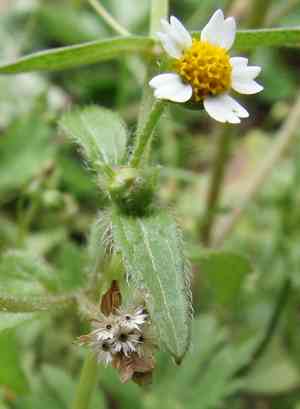
Originating from arid regions, this plant, featuring delicate leaves and daisy-like blossoms, thrives with little intervention. Remove faded flowers to encourage additional blooming and sustain the plant's vitality. Removing spent blooms after each flowering period, usually from spring to autumn, stimulates the production of more flowers. Perform a light trim in late autumn to sculpt the plant and ready it for its winter resting phase. Refrain from extensive cutting, as this can harm the pincushion flower; instead, concentrate on eliminating only lifeless or frail stalks to uphold its inherent structure.
Advantages of Trimming Pincushion Flower
Advantages of Trimming Pincushion Flower
Trimming pincushion flower promotes robust development and maintains its desired form. By eliminating faded blossoms and dead stalks, it fosters healthier, denser foliage and may stimulate a new burst of flowers, enhancing pincushion flower's aesthetic appeal and vigor.
Optimal Time for Trimming Pincushion Flower
Optimal Time for Trimming Pincushion Flower
Trimming or cutting pincushion flower during the Spring season is ideal as it coincides with the emergence of new growth after the dormant winter period. It aids in shaping the plant, encouraging healthy development, and removing any damaged or diseased sections that may have been affected by winter conditions. The Fall season is another suitable time for trimming pincushion flower, which allows the plant to retain its structure and health before entering dormancy. During this time, deadheading the spent flowers promotes a neater appearance and may contribute to better overwintering. Summer is generally not the best time for extensive trimming, as pincushion flower may be actively growing or blooming, and significant trimming could disrupt these processes. Therefore, any trimming performed in Summer should be limited to light shaping or deadheading to encourage continuous blooming without causing stress to pincushion flower.
Tools Required for Trimming Pincushion Flower
Bypass Pruners
Perfect for making neat, accurate cuts on the pincushion flower's stems, bypass pruners operate like scissors and are less likely to harm the plant's delicate tissue.
Gardening Gloves
Essential for the gardener's protection since pincushion flower may possess fine hairs that can cause irritation. Gloves also offer a better grip on the tools while trimming.
How to Trim Pincushion Flower
Cleanup
Identify and remove any withered or dead leaves from pincushion flower by cutting them at the base without harming adjacent healthy foliage.
Shape
Thin out congested areas to improve air circulation and light penetration, focusing on dense sections and removing selected withered leaves to preserve the natural shape of pincushion flower.
Health
Inspect the remaining foliage for indications of disease or pests and promptly remove any affected leaves to prevent further spread.
Tool care
Clean and sanitize trimming tools after use to prevent transmitting any potential plant diseases to other plants or future trimming sessions involving pincushion flower.
Post prune care
Provide pincushion flower with appropriate post-trimming care, including watering and mulching, to support healthy regrowth after cutting the withered leaves.
Common Trimming Errors with Pincushion Flower
Over-pruning
Removing too much foliage or too many flowers, which can stress pincushion flower and reduce its natural shape and bloom production.
Improper cut
Making cuts that are either too close to the main stem or leaving an excessively long stub, which can make pincushion flower vulnerable to diseases and pests.
Pruning at the wrong angle
Cuts should be made at a 45-degree angle to prevent water accumulation which can lead to rot or disease.
Using dull tools
Dull trimming tools can damage the stems of pincushion flower, leading to jagged cuts that are more susceptible to infection.
Neglecting sanitation
Not sanitizing tools before trimming can spread disease to pincushion flower from other plants.
General Trimming Advice for Pincushion Flower
Selective thinning
Thin out overcrowded areas to promote better air circulation and light penetration, which will encourage healthy growth in pincushion flower.
Deadheading
Remove spent blooms of pincushion flower to encourage further blooming and to prevent the plant from putting energy into seed production.
Healthy cuts
Ensure cuts are clean and made at a 45-degree angle to promote healing and to prevent water from collecting on the cut surface.
Tool maintenance
Use sharp, clean trimming shears to make precise cuts and minimize stress to pincushion flower.
Disposal of debris
After trimming pincushion flower, clear away any cuttings and debris to minimize the risk of fungal infections or pest infestations.



