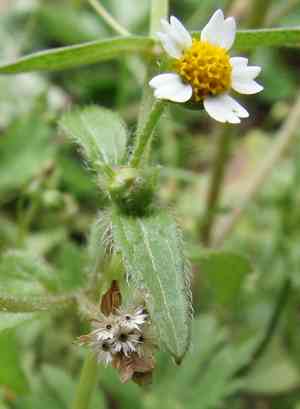
Pincushion flower (Chaenactis fremontii)
Also known as: Fremont's pincushion, Desert pincushion
The desert marigold (Baileya multiradiata) thrives in the sandy and gravelly soils of the Mojave Desert and the northern Sonoran Desert. As part of the sunflower family, this vibrant spring wildflower stands out in its habitat and serves as an important food source for desert tortoises.
In This Article
Attributes of Pincushion flower
Lifespan
Annual
Plant Type
Herb
Plant Height
10 cm to 40 cm
Spread
60 cm
Leaf Color
Gray-green
Flower Size
1.9 cm to 2.5 cm
Flower Color
White
Images of Pincushion flower
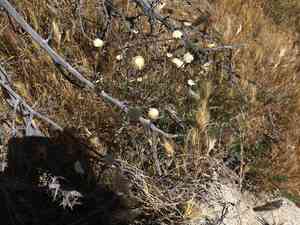
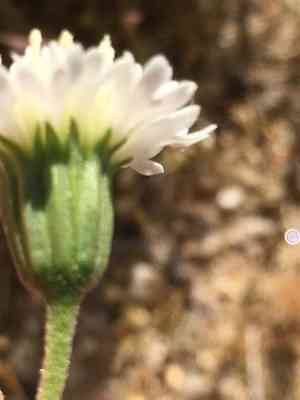
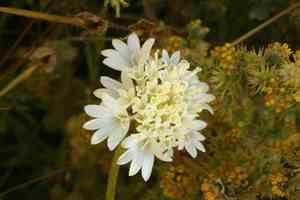
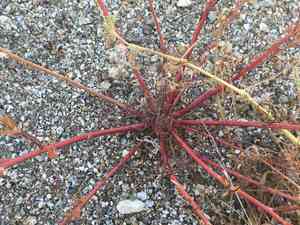
Quickly Identify Pincushion flower
1
It can be identified by its white to pink flower heads with a dense cluster of small florets, and its finely divided, gray-green leaves.
Scientific Classification of Pincushion flower
Phylum
Vascular plants
Class
Dicotyledons
Order
Asterales
Family
Daisy
Genus
Pincushions
Species
Pincushion flower
Planting and Growing of Pincushion flower
Care Difficulty
Easy
Watering Schedule
Every day
Sunlight Requirements
Full sun
Sunshine Duration
4-8 hours
Ideal Temperature
65-75℉
Soil Type
Potting Mix, Peat Mix
Soil pH
6.5-7.5
Fertilizer Type
Balanced
Pruning Season
Spring, Summer
Pruning Area
Branches, Leaves
Pruning Frequency
2 times a year
Repotting Season
Spring
Pot Type
Terracotta, Plastic
 How to Water Pincushion flower?
When watering Chaenactis fremontii, aim for about 250 ml each time. This plant thrives in well-draining soil, and it’s essential not to let it sit in standing water. Ensure the water moistens the soil adequately but does not leave it oversaturated. Mimic its natural desert environment to keep roots healthy.
What are the symptoms of an underwatered Pincushion flower?
›
What should I do if my Pincushion flower is not getting enough water?
›
What are the symptoms of an overwatered Pincushion flower?
›
How to save an overwatered Pincushion flower?
›
 What Are the Sunlight Requirements for Pincushion flower?
Chaenactis fremontii ideally requires full sun exposure. Consistent sunlight enables robust growth and vibrant blooming, with sunlight acting as a catalyst for photosynthesis and overall plant health.
What is the best lighting condition for Chaenactis fremontii?
›
How can I achieve this ideal light condition?
›
What are the benefits of achieving ideal light conditions for this plant?
›
 What Is the Ideal Temperature Range for Pincushion flower?
The ideal temperature range for Chaenactis fremontii is between 65°F and 75°F. This range ensures optimal growth and flowering as it mimics the plant's native desert conditions. Maintaining these temperatures helps support photosynthesis and keeps tissue damage at bay, while ensuring overall plant health.
 What Soil is Best for Pincushion flower?
Chaenactis fremontii thrives in well-drained soil, which ensures excess water doesn't lead to root rot. This drainage capability supports robust growth and healthier foliage. This plant is adapted to nutrient-poor soils, a feature of its native desert habitats. Its ability to grow in such conditions means less need for fertilization, simplifying its care. Chaenactis fremontii prefers soils with low organic matter. This preference reduces competition from other plants and reflects its adaptation to its natural environments.
 How to Fertilize Pincushion flower?
Chaenactis fremontii requires careful management when it comes to fertilizing. It's best to use a balanced, low-nitrogen fertilizer in diluted forms. A typical application amount might be a quarter to half the recommended dose on the fertilizer label to avoid overfeeding this native plant.
 How to Prune Pincushion flower?
While it might be tempting to cut back a lot, over-pruning can stress Chaenactis fremontii and reduce its vitality. Stick to removing no more than one-third of the plant to maintain health and vigor. Always clean and sanitize pruning tools before use to reduce the risk of transferring diseases between plants. Dip tools in a mild bleach solution between cuts if pruning multiple plants.
More About Pruning Techniques→
 How to Propagate Pincushion flower plant?
1
Choose viable seeds from a reliable source to ensure good germination rates. Check for any damage or discolored seeds which might affect sprouting.
2
Prepare a sterile, well-draining potting mix by adding it into seed trays. Gently pat down the soil to remove air pockets and create a stable environment for seeds.
3
Sow the seeds evenly across the surface of the soil, ensuring enough space for each to sprout without crowding. Lightly cover them with a thin layer of soil.
 How to Repot Pincushion flower plant?
1
Chaenactis fremontii typically requires repotting when you notice the roots protruding from the drainage holes, or if the plant seems root bound with stunted growth. The best time to repot is during its active growth season in spring or autumn, allowing it to establish in new soil before dormancy or intense heat.
2
Select a pot that is one size larger and has excellent drainage holes. A pot that is too large can lead to waterlogging and root rot. A well-sized pot promotes healthy growth by allowing the roots to expand comfortably while keeping the soil from retaining excess moisture, benefiting the desert-loving nature of this plant.
3
Opt for a well-draining sandy mix, as this mimics the natural arid environment of Chaenactis fremontii. Such soil prevents excess moisture retention, which is crucial because this plant is susceptible to root rot when overwatered. The gritty texture supports aeration and efficient drainage, ensuring that the roots remain healthy and vibrant.
Learn More About Pincushion flower Diseases
Anthracnose
Bacterial Leaf Spot
Bacterial Soft Rot
Bacterial Wilt
Chemical Injury
Crown Gall
Cyst Nematode
Damping-off
Downy Mildew
Drought Stress
Fusarium Wilt
Gray Mold
Leaf Curl
Leaf Spot
Mosaic
Nutrient Deficiency
Nutrient Toxicity
Powdery Mildew
Root Rot
Root-knot Nematode
Rusts
Sooty Mold
Spider Mites
Temperature Stress
Thrips Damage
White Mold



