How to Prune White pincushion?
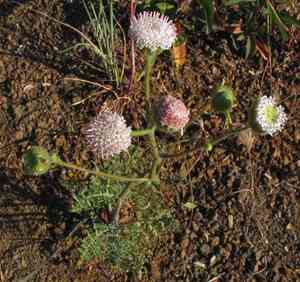
Recognized for its pristine, cushion-shaped blossoms, white pincushion flourishes with consistent trimming. The most effective periods for pruning are throughout spring, summer, and autumn. Concentrate on excising lifeless or ailing stalks and faded blooms to stimulate robust development and amplify flowering. Trimming additionally aids in preserving its form and averting an elongated appearance. Verify that implements are sanitized to preclude contagions. Routine pruning fosters a more compact structure and profuse blossoming, benefiting both the plant's well-being and the visual appeal of the garden.
What Are the Benefits of Pruning White Pincushion?
What Are the Benefits of Pruning White Pincushion?
Trimming white pincushion ensures robust development and maintains an appealing form. It encourages vigorous growth, boosts blooming, and prevents elongated, sparse stems. Pruning also aids in size management and lowers the risk of pest and disease infestations.
What Is the Best Time for Pruning White Pincushion?
What Is the Best Time for Pruning White Pincushion?
Pruning white pincushion in spring, summer, and fall aligns with its natural growth cycle, ensuring healthy development. In spring, trimming stimulates new growth as the plant emerges from dormancy. Summer pruning helps maintain its shape and removes any dead or damaged parts after the initial bloom. Fall pruning prepares white pincushion for dormancy, reducing disease and pest risks during winter. These seasons collectively ensure the plant remains healthy and robust throughout the year.
What Tools Do I Need to Prune White Pincushion?
Bypass Pruners
Bypass pruners are perfect for making clean cuts on live stems and branches, which is vital for white pincushion to encourage healthy growth and avoid harming the plant.
Pruning Shears
Pruning shears are ideal for trimming smaller, delicate stems and flowers on white pincushion, allowing for precise work without damaging the plant.
Hand Scissors
Hand scissors are useful for deadheading spent flowers of white pincushion to encourage continuous blooming and maintain a neat appearance.
Knives
A sharp, clean knife can assist with more precise cuts on finer stems of white pincushion, important for detailed shaping and preventing jagged wounds on the plant.
How to Prune White Pincushion
Identify
Examine white pincushion to determine the amount of withered leaves that require removal.
Tools
Utilize clean, sharp pruning shears to ensure a precise cut and minimize harm to white pincushion.
Cut
Make cuts at the base of the withered leaves, close to where they connect with the main stem or branch.
Clean
Remove and discard the withered leaves to prevent any potential spread of disease or pests.
Inspect
Regularly check white pincushion for additional withered leaves or signs of stress, and repeat the pruning process as needed.
Common Pruning Mistakes with White Pincushion
Over-pruning
Removing too much of white pincushion's foliage can stress the plant, leading to reduced flowering and stunted growth.
Improper technique
Using dull or dirty tools can damage the plant tissue, making white pincushion susceptible to diseases and pests.
Pruning at the wrong node
Cutting above a node that isn't active or in the wrong spot can hinder new growth and reduce the plant's vigor.
Random cutting
Haphazardly cutting branches without a clear plan can lead to an unbalanced and unattractive plant structure.
Common Pruning Tips for White Pincushion
Use sharp, clean tools
Always ensure your pruning tools are sharp and clean to make precise cuts and prevent disease transmission.
Identify and remove dead or diseased wood
Begin by cutting back any dead, damaged, or diseased stems to keep white pincushion healthy and free from infections.
Make clean cuts
Always cut at a 45-degree angle just above a healthy node or bud to promote proper healing and vigorous new growth.
Thin out crowded areas
Ensure good air circulation by thinning out overly dense sections of white pincushion to prevent fungal issues and improve overall plant health.
Maintain plant shape
Trim selectively to maintain a balanced and attractive shape, which can also enhance the flowering display.



