How to Propagate White pincushion?
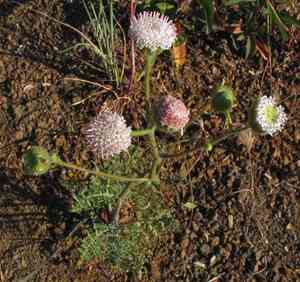
The white pincushion, recognized for its delicate, white floral clusters, flourishes in soils that drain effectively. Reproduction is successfully accomplished by planting seeds directly into the intended site. Confirm that the seeds are lightly covered with earth and kept damp until sprouting occurs. Choose a bright area for peak development, as the white pincushion favors complete sun exposure. Periodically inspect for infestations and ailments to ensure robust growth.
Optimal Period for White Pincushion Propagation
Propagation Method
Seeding
Propagation Period
Spring
Tools for White Pincushion Propagation
Seed trays
Seed trays are vital for initiating white pincushion seeds indoors prior to outdoor transplantation. They offer controlled settings for sprouting and initial development.
Propagation mix
A well-draining propagation mix guarantees proper air circulation and moisture retention, both critical for white pincushion seed germination.
Heating mat
Heating mats deliver consistent warmth to the soil, which can boost germination rates by maintaining ideal temperatures for white pincushion.
Humidity dome
Humidity domes assist in sustaining a moist environment, beneficial for white pincushion seeds during germination by preventing desiccation.
Spray bottle
A spray bottle ensures gentle irrigation of seedlings, preventing soil displacement and harm to delicate white pincushion sprouts.
Seedling heat mat thermostat
A thermostat connected to the heating mat allows precise temperature regulation, ensuring white pincushion seeds have optimal conditions for sprouting.
Garden trowel
A garden trowel is useful for moving white pincushion seedlings from trays to their permanent outdoor spots. It aids in carefully lifting and placing fragile seedlings.
Plant labels
Plant labels are important for tracking the various stages of white pincushion propagation and identifying seedlings when they are ready for relocation.
How to Propagate White Pincushion?
Propagation Type
Simple
Caring for Your Newly Propagated White Pincushion
Caring for Your Newly Propagated White Pincushion
Post-transplantation, provide consistent moisture to keep the soil slightly damp but not waterlogged. White pincushion thrives in full sun to partial shade. Apply mulch around the base to retain moisture and deter weeds. Fertilize with a balanced, slow-release product every few months. Monitor for pests and diseases, and prune as needed to maintain the plant's form and vitality.
Common Errors to Avoid When Propagating White Pincushion
Overwatering
Excessive watering can lead to root rot, which is detrimental to the plant's health and can cause it to perish before successful propagation.
Poor soil drainage
Using soil that lacks proper drainage can create waterlogged conditions, further increasing the risk of root rot and fungal infections.
Insufficient sunlight
Providing inadequate sunlight can hinder growth, as white pincushion requires ample light to flourish and propagate effectively.
Incorrect soil type
Using soil that is too rich or not sandy enough can impede the seedling's ability to establish itself, given that white pincushion typically thrives in well-drained, sandy soils.
Neglecting seedlings
Failing to monitor and care for seedlings can result in poor establishment and slow growth, leading to unsuccessful propagation.
Tips For Propagating White Pincushion
Use well-drained sandy soil
Ensure the soil mixture is well-drained and sandy to mimic white pincushion's natural habitat, providing the right conditions for root growth.
Moderate watering
Water moderately, allowing the soil to dry out between waterings to prevent root rot and other water-related issues.
Provide full sunlight
Place the seedlings in a location where they can receive ample sunlight, supporting healthy growth and robust development.
Ensure good air circulation
Good air circulation helps prevent fungal diseases and supports overall plant health, crucial for successful propagation.
Monitor seedling progress
Regularly check the progress of the seedlings, making necessary adjustments to their environment to ensure they are thriving.



