How to Prune Barbed grass?
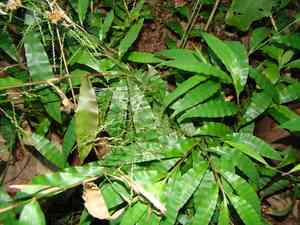
A perennial, tropical grass, barbed grass is recognized for its hirsute leaves and spiky inflorescences. Trim in early spring or winter to stimulate robust development and preserve its form. Eliminate aged and compromised foliage near the base to foster fresh sprouts. Consistent cutting aids in managing its expansion and encourages a thick, thriving look. Trimming also deters self-propagation, which can be assertive under suitable circumstances. Use sanitized, sharp implements for pruning to lessen harm and strain on barbed grass.
What Are the Benefits of Pruning Barbed Grass?
What Are the Benefits of Pruning Barbed Grass?
Trimming barbed grass promotes robust development and helps maintain a neat form. Strategic cuts enhance air movement and light penetration, crucial for the plant's health.
What Is the Best Time for Pruning Barbed Grass?
What Is the Best Time for Pruning Barbed Grass?
Trimming barbed grass in early spring is advantageous as it coincides with the start of the plant's active growth period. This timing fosters strong growth and ensures the plant recovers quickly from cuts, reducing stress and susceptibility to pests or illnesses. Winter pruning is also beneficial because barbed grass is typically dormant. This allows gardeners to easily identify and remove dead or diseased foliage without disrupting the plant's growth cycle. Winter pruning also prepares barbed grass for the surge of growth that accompanies warmer weather, ensuring a healthy structure and shape for the upcoming season.
What Tools Do I Need to Prune Barbed Grass?
Hand Pruners
Ideal for snipping thin stems and leaves of barbed grass, enabling precise cuts to shape the plant or remove dead or unhealthy foliage.
Grass Shears
Perfect for shaping and managing the spread of barbed grass, especially for trimming edges and removing the tips of the grass without harming the plant's base.
String Trimmer
Useful for larger areas where barbed grass is growing more extensively. Offers a quick method to trim and maintain the plant at a desired height and density.
Gloves with Grip
Given the barbed nature of barbed grass, gloves will shield hands from scratches while providing a better hold when using pruning tools.
How to Prune Barbed Grass
Clean tools
Before beginning, ensure that pruning tools are clean and sharp to prevent the spread of disease to barbed grass. Sanitize tools using a solution of bleach and water or rubbing alcohol.
Identify parts
Locate the diseased and withered leaves on barbed grass. Look for any discoloration, spots, or signs of wilting that distinguish unhealthy leaves from healthy ones.
Cut diseased leaves
Using your tools, carefully snip off the diseased leaves. Cut at the base of the leaf where it meets the stem, being careful not to damage the adjacent healthy tissues of barbed grass.
Cut withered leaves
Similarly, remove the withered leaves from barbed grass. These are older leaves that have naturally died back. Make cuts close to the base to encourage healthier growth without leaving stubs that could rot.
Dispose
Properly discard the removed materials away from barbed grass to prevent any potential spread of disease. Do not compost diseased plant material.
Common Pruning Mistakes with Barbed Grass
Over-pruning
Removing too much foliage from barbed grass can stress the plant, reducing its vigor and ability to photosynthesize effectively.
Improper tool use
Using dull or dirty pruning tools can cause jagged cuts and introduce disease to barbed grass.
Neglecting dead or diseased stems
Failing to remove dead or diseased growth from barbed grass can hamper its growth and spread disease to healthy parts.
Inconsistent maintenance
Irregular pruning can lead to an imbalance in barbed grass's growth pattern, affecting its overall shape and health.
Tearing stems
Carelessly ripping or tearing stems rather than making clean cuts can damage barbed grass and encourage disease.
Common Pruning Tips for Barbed Grass
Sharp tools
Ensure pruning tools are sharp and clean to make precise cuts that heal quickly on barbed grass, minimizing stress and risk of disease.
Hygiene
Disinfect tools between cuts when trimming diseased parts to prevent spreading pathogens to healthy sections of barbed grass.
Selective cutting
Prune selectively to thin out dense areas and increase air circulation, which helps barbed grass maintain healthy growth and prevents fungal infections.
Natural shape
Follow the natural shape of barbed grass when pruning to encourage a more aesthetically pleasing and structurally sound plant.
Growth direction
Cut back stems to just above a bud facing the outside of the plant to direct new growth outward and prevent crowding at the center of barbed grass.



