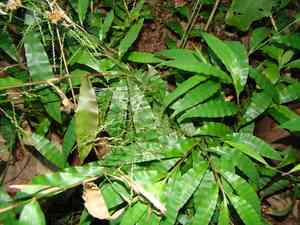
Barbed grass (Centotheca lappacea)
Also known as: Sticklegrass, Centotheca
Barbed grass, a broad-leaved species, is widely distributed across Southern China, Central Africa, Madagascar, Southern India, and the Philippines. It typically thrives in low-altitude forests, favoring damp, shady conditions. Occasionally used as animal fodder, its seeds are dispersed when their bristles latch onto the fur of passing mammals.
In This Article
Attributes of Barbed grass
Lifespan
Perennial
Plant Type
Grass
Plant Height
40 cm to 1 m
Spread
Not applicable (grass species)
Leaf Color
Green
Flower Size
Not applicable (grass species)
Flower Color
Yellow Green Red Brown
Images of Barbed grass
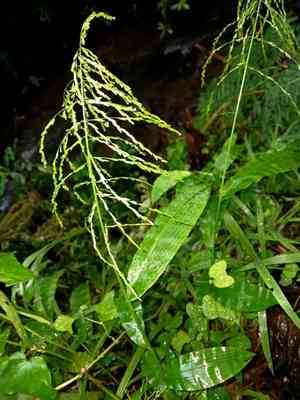
Quickly Identify Barbed grass
1
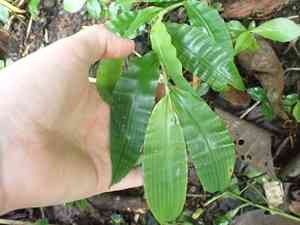
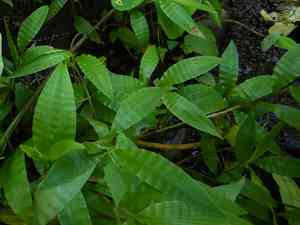
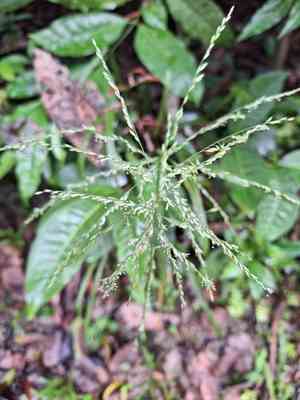
Centotheca lappacea can be identified by its tall, erect stems and distinctive spikelets that have sticky bristles, which can adhere to clothing or animal fur. The leaves are linear and can reach up to 30 cm in length.
Scientific Classification of Barbed grass
Phylum
Vascular plants
Class
Monocotyledons
Order
Poales
Family
Grass
Genus
Centotheca
Species
Barbed grass
Planting and Growing of Barbed grass
Care Difficulty
Easy
Watering Schedule
Every 4 days
Sunlight Requirements
Partial sun
Sunshine Duration
4-6 hours
Ideal Temperature
68-77℉
Soil Type
Potting Mix, Peat Mix
Soil pH
6.5-7.5
Fertilizer Type
Balanced
Pruning Season
Spring, Summer
Pruning Area
Branches, Leaves
Pruning Frequency
2 times a year
Repotting Season
Spring
Pot Type
Plastic, Terracotta
 How to Water Barbed grass?
For Centotheca lappacea, ensure the soil is thoroughly soaked but allow excess water to drain away. Aim for about 200 ml of water each session, making sure the top inch of soil is moist without being waterlogged. This helps maintain optimal soil moisture without drowning the roots.
What are the symptoms of an underwatered Barbed grass?
›
What should I do if my Barbed grass is not getting enough water?
›
What are the symptoms of an overwatered Barbed grass?
›
How to save an overwatered Barbed grass?
›
 What Are the Sunlight Requirements for Barbed grass?
Partial sun ensures that Centotheca lappacea receives enough light for photosynthesis without risking leaf burn. Ideal lighting keeps the plant healthier, promoting verdant foliage and balanced growth dynamics.
More About Sunlight Requirements Techniques→
What is the ideal lighting for Centotheca lappacea?
›
How can I achieve this ideal lighting for my plant?
›
What are the benefits of providing ideal lighting to Centotheca lappacea?
›
 What Is the Ideal Temperature Range for Barbed grass?
Centotheca lappacea thrives within an ideal temperature range of 68°F to 77°F because it originates from tropical climates where such temperatures prevail. These conditions ensure optimal growth by providing the right metabolic and photosynthetic rates needed for this plant to flourish. Temperatures below or above this range can lead to stress and affect growth adversely.
 What Soil is Best for Barbed grass?
Centotheca lappacea thrives in nutrient-rich soils that provide ample minerals and organic matter. Such conditions enhance plant growth, ensuring robust foliage and resilience against stressors. This plant prefers well-drained soil to prevent waterlogging. Adequate drainage ensures that roots receive enough oxygen, which is crucial for healthy root development and avoiding root rot. Centotheca lappacea benefits from soil with moderate moisture retention, allowing the roots to access moisture without excess. This balance supports sustained growth and reduces the need for frequent watering.
 How to Fertilize Barbed grass?
For Centotheca lappacea, ensure you use a balanced fertilizer at a concentration of 100 ppm for liquid feedings, which translates to roughly 1 gram of fertilizer per 10 liters of water. For solid fertilizers, apply 50 grams per square meter annually. This ensures the plant gets the necessary nutrients without overwhelming it.
 How to Prune Barbed grass?
Start by inspecting the plant for any dead, damaged, or diseased foliage and remove it with sterilized scissors or pruning shears. This helps to prevent the spread of diseases. Trim back excessively long or stray stems to maintain a compact and tidy appearance. Always cut just above a node to encourage new growth. For older or neglected plants, consider a more intense rejuvenation pruning. This involves cutting back the plant significantly to encourage vigorous new growth. Be bold and cut back up to two-thirds of the plant size if necessary, always ensuring to leave some healthy foliage intact.
More About Pruning Techniques→
 How to Propagate Barbed grass plant?
1
Harvest seeds from mature Centotheca lappacea plants in the late autumn. Allow the seeds to dry in a cool, shaded area before storing them in a dry, sealed container.
2
In spring, fill a seed tray with a mix of compost and sand. Sow the seeds 0.5 cm deep, watering gently but thoroughly. Ensure consistent warmth and moisture for germination.
3
During early summer, carefully dig up the mature plant. Use a sharp knife to divide the root ball into sections, each with healthy roots and shoots. Replant immediately.
 How to Repot Barbed grass plant?
1
Centotheca lappacea shows signs it needs repotting when its roots begin to emerge through the drainage holes of its current pot, or the soil dries out too rapidly. Another signal is if you notice the plant's growth has slowed considerably, indicating that it may be root-bound and in need of a larger container.
2
Select a pot that is one size larger than the current one, ideally with good drainage holes to ensure excess water can escape. The right pot size prevents the plant from becoming root-bound too quickly again and helps maintain balanced moisture levels, critical for the plant's health.
3
Opt for a well-draining potting mix that permits good air circulation around the roots. A mix with ample organic matter and perlite is ideal, fulfilling the plant's nutritional needs and preventing waterlogging, which can cause root rot.



