How to Prune Sonoma ceanothus?
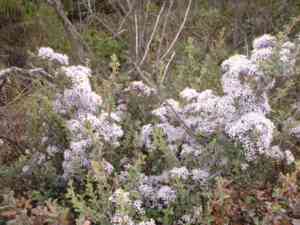
The optimal period for trimming sonoma ceanothus is in early spring, prior to the emergence of fresh shoots. Concentrate on excising deceased or compromised limbs to preserve its vigor and structure. Gentle shaping and thinning improve air circulation and light exposure, fostering abundant blossoms. Refrain from severe cutting, as sonoma ceanothus might struggle to recuperate. Pruning encourages fresh development and deters an elongated appearance, keeping the specimen dense and lively. Consistent maintenance guarantees sonoma ceanothus flourishes and exhibits its appealing silhouette and vivid flowers to their fullest potential.
What Are the Benefits of Pruning Sonoma Ceanothus?
What Are the Benefits of Pruning Sonoma Ceanothus?
Trimming sonoma ceanothus promotes robust development, maintains a neat form, enhances blooming, and reduces pest and disease risks. Consistent pruning encourages healthy growth, ensuring sonoma ceanothus thrives and improves the plant's overall look while managing its size.
What Is the Best Time for Pruning Sonoma Ceanothus?
What Is the Best Time for Pruning Sonoma Ceanothus?
Trimming sonoma ceanothus in early spring is optimal as it allows the plant to recuperate and produce new growth before its active season. This timing ensures sonoma ceanothus can heal effectively, minimizing stress and disease risk. Furthermore, early spring pruning helps shape the plant and control its size without disrupting the flowering period, which typically occurs later in the season. Pruning at this time leverages the plant's natural growth cycle, which includes winter dormancy followed by vigorous spring growth.
What Tools Do I Need to Prune Sonoma Ceanothus?
Bypass Pruners
Perfect for making clean cuts on live branches up to ¾ inch thick. Essential for shaping and removing small branches and deadwood from sonoma ceanothus.
Loppers
Ideal for cutting thicker branches (up to 2 inches in diameter). They offer greater leverage and power for severing tough, woody stems of sonoma ceanothus.
Pruning Saw
Required for cutting branches exceeding 2 inches in diameter. A pruning saw ensures smooth and precise cuts, which help prevent disease in sonoma ceanothus.
Handheld Shears
Useful for detailed trimming and shaping of small twigs and stems. These work well for maintaining the natural form of sonoma ceanothus.
Long-Handled Pruners
Allow for easier reach when trimming taller growth or hard-to-access areas in sonoma ceanothus, ensuring safety while minimizing strain.
How to Prune Sonoma Ceanothus
Assessment
Examine sonoma ceanothus to pinpoint areas with diseased leaves, withered leaves, dead branches, and diseased branches.
Tools preparation
Gather necessary pruning tools such as sterilized sharp shears or pruners to prevent the spread of disease.
Trim diseased leaves
Carefully remove all diseased leaves, cutting them off close to the branch they are attached to without damaging healthy parts.
Remove dead branches
Cut dead branches back to the main stem or a healthy lateral branch, ensuring clean cuts to promote proper healing.
Trim diseased branches
Prune diseased branches by cutting at least 6-12 inches below any visible signs of disease to ensure all affected tissue is removed.
Common Pruning Mistakes with Sonoma Ceanothus
Over-pruning
Excessive removal of branches can stress the plant, reducing its vigor and potentially leading to fewer flowers and lush growth.
Improper cuts
Making jagged or torn cuts rather than clean, sharp ones can harm the plant and create entry points for disease and pests.
Pruning at the wrong time
Cutting branches during the wrong phase of the plant's growth can interfere with flowering and overall health. Avoid this by adhering to the specified season guidelines provided in other sections.
Removing too much at once
Taking off large amounts of the plant in one go can shock it and result in poor recovery, thus it's better to prune gradually.
Neglecting hygiene
Using dirty or dull pruning tools can spread disease or cause damage to the plant, leading to poor healing and increased susceptibility to pests.
Common Pruning Tips for Sonoma Ceanothus
Use clean, sharp tools
Always ensure your pruning shears or scissors are clean and well-maintained to make precise cuts and avoid spreading disease.
Focus on dead or damaged branches
Prioritize the removal of dead, diseased, or damaged branches to stimulate healthy growth and improve airflow within the plant.
Make angled cuts
Angle your cuts to allow water to run off, which helps prevent rot and encourages quicker healing.
Consider the plant's natural shape
Aim to follow the natural form of sonoma ceanothus, avoiding a uniformly clipped appearance. This helps maintain its aesthetic appeal and natural health.
Prune lightly and regularly
Regular, light pruning is better than infrequent, heavy cuts. This approach minimizes stress and supports steady growth and flowering.
Thin out densely packed areas
Removing some interior branches can improve air circulation and light penetration, leading to a healthier plant overall.



