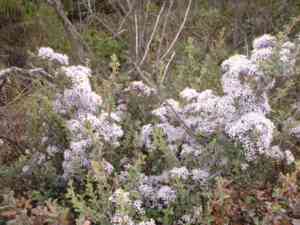
Sonoma ceanothus (Ceanothus sonomensis)
Also known as: Sonoma ceanothus, Sonoma lilac
The Sonoma ceanothus, native to Sonoma County, thrives on sunny, rocky slopes. This hardy shrub forms dense thickets with matte green leaves. During spring, it blooms with fragrant blue to violet flowers, attracting pollinators like bees and butterflies. Its nitrogen-fixing ability allows it to flourish in poor soils, contributing significantly to the local ecosystem's stability and enrichment.
In This Article
Attributes of Sonoma ceanothus
Lifespan
Perennial
Plant Type
Shrub
Plant Height
1 to 2 feet (30 to 60 cm)
Spread
4 to 6 feet (1.2 to 1.8 meters)
Leaf Color
Dark green
Flower Size
Small, approximately 0.5 inches (1.3 cm)
Flower Color
Blue
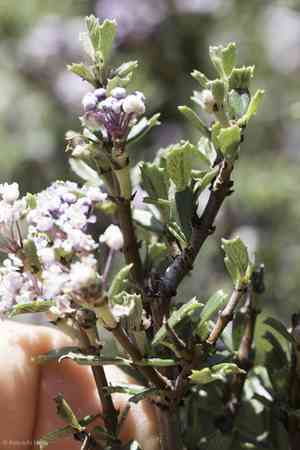
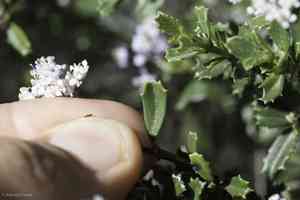
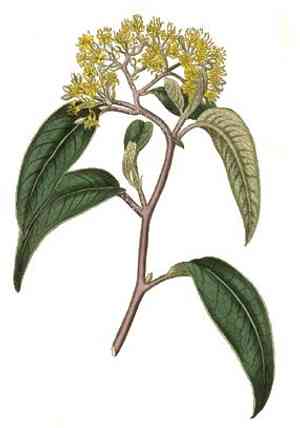
Images of Sonoma ceanothus
Quickly Identify Sonoma ceanothus
1
Ceanothus sonomensis can be identified by its dense clusters of blue flowers, shiny, dark green leaves, and low-growing habit. It often forms a sprawling mat and blooms in late spring to early summer.
Scientific Classification of Sonoma ceanothus
Phylum
Vascular plants
Class
Dicotyledons
Order
Rosales
Family
Buckthorn
Genus
Redroots
Species
Sonoma ceanothus
Planting and Growing of Sonoma ceanothus
Care Difficulty
Moderate
Watering Schedule
Every 2 days
Sunlight Requirements
Full sun
Sunshine Duration
6-8 hours
Ideal Temperature
60-75℉
Soil Type
Potting Mix, Peat Mix
Soil pH
6.5-7.5
Fertilizer Type
Balanced
Pruning Season
Spring, Summer
Pruning Area
Branches, Leaves
Pruning Frequency
2 times a year
Repotting Season
Spring
Pot Type
Plastic, Ceramic
 How to Water Sonoma ceanothus?
Ceanothus sonomensis prefers a well-drained soil and does not require excessive watering. Aim for about 500 milliliters per watering session, ensuring the water reaches the root zone thoroughly without causing sogginess.
What are the symptoms of an underwatered Sonoma ceanothus?
›
What should I do if my Sonoma ceanothus is not getting enough water?
›
What are the symptoms of an overwatered Sonoma ceanothus?
›
How to save an overwatered Sonoma ceanothus?
›
 What Are the Sunlight Requirements for Sonoma ceanothus?
Ceanothus sonomensis thrives best with six to eight hours of sunlight per day. Full sun maximizes blooming and supports healthy growth.
What is the Best Lighting Condition?
›
How to Achieve Ideal Lighting?
›
Benefits of Ideal Lighting
›
 What Is the Ideal Temperature Range for Sonoma ceanothus?
The ideal temperature range for Ceanothus sonomensis is between 60°F and 75°F. This range supports optimal growth by ensuring that the metabolic processes of the plant occur efficiently. Maintaining temperatures within this range facilitates better flowering, robust foliage development, and overall plant health. It's essential to provide a stable environment within this temperature range for the plant to thrive.
 What Soil is Best for Sonoma ceanothus?
Ceanothus sonomensis thrives in nutrient-rich soils, which provide the essential minerals needed for its vibrant foliage and prolific blooming. This type of soil ensures robust root growth and enhances the plant's overall resistance to pests and diseases. This species requires well-drained soil to prevent root rot. Good drainage facilitates the dispersal of excess water, maintaining an optimal balance of moisture in the root zone, thereby enhancing the plant's health and growth speed. Ceanothus sonomensis favors soil that retains moisture moderately well. This ensures that the plant does not suffer from drought stress, promoting consistent growth and preventing wilting during dry spells.
 How to Fertilize Sonoma ceanothus?
For Ceanothus sonomensis, the amount of fertilizer needed depends on soil conditions and plant size. A balanced approach is best, as these plants are generally drought-tolerant and not heavy feeders. Typically, apply a dilute solution of liquid fertilizer, around half the manufacturer's recommended strength, to support healthy growth without overwhelming the plant.
 How to Prune Sonoma ceanothus?
Begin by identifying any dead, damaged, or diseased branches as those should be the first to go. Use sharp, clean pruning shears to make clean cuts at an angle just above a healthy lateral branch or bud. This encourages new growth in the right direction. Ceanothus sonomensis can become quite dense, so thinning out the interior branches helps increase air circulation and sunlight penetration. Aim to open up the center of the plant gradually, which also helps prevent fungal diseases. After removing deadwood and thinning, focus on shaping the plant by trimming back to healthy buds. Ceanothus is known for its vibrant displays of flowers, so aim to encourage new growth which leads to more blossoms in the next bloom cycle.
More About Pruning Techniques→
 How to Propagate Sonoma ceanothus plant?
1
Gather seeds from mature Ceanothus sonomensis plants. Ensure seeds are dry and free from disease. Store them in a cool, dry place until you begin propagation to maintain their viability.
2
Take semi-hardwood cuttings from the parent plant during the growing season. Ensure each cutting is approximately 4-6 inches long with a few leaves attached, and remove any flowers to focus energy on root development.
3
Sow seeds or plant cuttings in a well-draining soil mix. Cover seeds lightly or insert cuttings deep enough for stability. Keep the medium moist but not waterlogged to encourage root growth.
 How to Repot Sonoma ceanothus plant?
1
Ceanothus sonomensis requires repotting when you notice roots poking through the drainage holes or when plant growth stagnates despite proper care. These signs indicate that the current container has become too cramped, impeding further development. Aim to repot during spring or autumn when the plant experiences active growth, thus minimizing stress and promoting strong establishment in its new environment.
2
Selecting the right pot for Ceanothus sonomensis is crucial. Opt for a container that's one size larger than the current pot, providing enough space for root growth. Ensure it has adequate drainage holes to prevent waterlogging, which can lead to root rot. A ceramic or terracotta pot is ideal as it allows moisture evaporation, maintaining the perfect humidity balance for your plant.
3
For Ceanothus sonomensis, a well-draining sandy soil mix replicates its natural environment and ensures excess water flows away swiftly, safeguarding the roots from rot. This type of soil retains necessary moisture while providing ample aeration, essential for the plant's root health and optimum growth. Look for a mix combining coarse sand, perlite, and a small amount of organic matter.



