How to Prune Mahala mat?
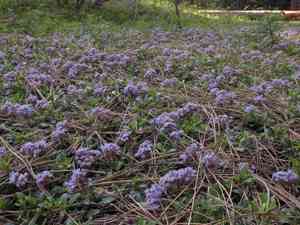
Ceanothus prostratus, a ground-hugging, sprawling evergreen recognized for its thick covering of shiny foliage and azure blossoms, thrives with early spring trimming. Remove any lifeless or compromised limbs and sculpt for the preferred appearance. Refrain from extensive cutting, as this may diminish the floral display. Lightly reducing the plant encourages air movement and development. Pruning in early spring enables the plant to recover and get ready for fresh growth under ideal weather, guaranteeing robust and abundant flowering.
What Are the Benefits of Pruning Mahala Mat?
What Are the Benefits of Pruning Mahala Mat?
Trimming mahala mat encourages robust development, controls its spreading habit, and fosters a denser, more appealing shape. This upkeep lowers disease risk, enhances air circulation, and stimulates vigorous new growth, ensuring the plant stays strong and visually pleasing.
What Is the Best Time for Pruning Mahala Mat?
What Is the Best Time for Pruning Mahala Mat?
Trimming mahala mat in early spring is ideal as it allows the plant to recover swiftly during its active growth phase. This period is suitable because mahala mat is still dormant, minimizing stress and sap loss. Furthermore, early spring pruning helps shape the plant before new growth begins, promoting healthier and more vigorous blooming cycles. This timing also ensures that any winter-damaged or dead wood can be removed before it negatively impacts the plant's overall health. Pruning before the growing season maximizes mahala mat's capacity to produce strong new growth and flowers.
What Tools Do I Need to Prune Mahala Mat?
Hand Pruners
Perfect for making accurate cuts on smaller growth areas of mahala mat. Bypass pruners are preferred for their clean cut, aiding faster healing.
Long-handled Loppers
Utilize these for reaching into denser spots and cutting thicker branches of mahala mat. They provide increased leverage with less effort.
Pruning Saws
Appropriate for removing older, woody stems of mahala mat that are too thick for hand pruners or loppers. A folding pruning saw is convenient for storage and safety.
Gloves
Shield your hands from potential cuts and scrapes as mahala mat can have dense, tough foliage.
Sanitizing Wipes
Crucial for cleaning tools between cuts to prevent disease spread within mahala mat. Use alcohol-based wipes for effectiveness.
How to Prune Mahala Mat
Inspection
Carefully examine the mahala mat for any indications of diseased, withered, or dead leaves and branches. Note all areas needing attention.
Clean Tools
Before starting the pruning process, ensure all tools like shears or loppers are clean and sharp to prevent disease transmission and make precise cuts.
Removal of Diseased Parts
Begin by eliminating any diseased leaves and branches. Cut back to healthy tissue to guarantee complete disease removal. Make cuts at a slight angle for proper healing.
Removal of Dead Withered Parts
Next, trim away all dead branches and withered leaves. Cut back to a live node or the plant's base to encourage healthy regrowth.
Disposal
Carefully discard the pruned diseased and dead parts by either burning them or placing them away from the plant to prevent any potential disease spread.
Common Pruning Mistakes with Mahala Mat
Improper Technique
Using dull or unsuitable tools can harm the plant. Ensure pruning shears are sharp and appropriate for branch size.
Over-pruning
Removing too much foliage can stress mahala mat and impede its overall health and vigor. Avoid cutting more than one-third of the plant at a time.
Pruning at wrong angles
Beware of making cuts that are too steep or shallow, which can lead to poor healing and potential entry points for disease.
Ignoring damaged or diseased branches
Failing to remove unhealthy plant parts can spread disease and pests to healthy sections.
Common Pruning Tips for Mahala Mat
Use Sharp Tools
Ensure pruning shears and saws are sharp to create clean cuts that heal quickly and reduce infection risk.
Sanitize Equipment
Clean pruning tools before and after use to prevent disease spread. A bleach and water solution can be used for sterilization.
Make Precise Cuts
Prune just above an outward-facing leaf node or bud, which encourages growth in the desired direction and maintains the plant's shape.
Remove Dead/Diseased Wood
Promptly cut away any dead, damaged, or diseased branches to maintain the plant's health and appearance.



