How to Propagate Mahala mat?
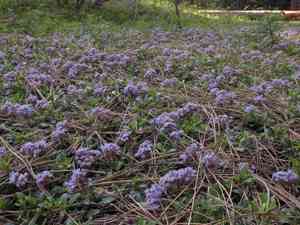
Mahala mat is a compact, perennial shrub that spreads horizontally, recognized for its appealing blue to purple blossoms. For propagation, collect semi-hardwood sections from robust, established specimens. Verify that these sections measure approximately 4-6 inches in length, then insert them into a growing substrate that drains effectively. Supply warmth and steady hydration. A rooting stimulant can improve outcomes, and sustaining elevated humidity will aid their development.
Optimal Period for Mahala Mat Propagation
Propagation Method
Cuttings
Propagation Period
Spring,Summer
Essential Tools for Mahala Mat Propagation
Sharp Pruning Shears
These are vital for obtaining clean, precise mahala mat cuttings without harming the plant tissue. Clean cuts are crucial for the health of both the parent plant and the cutting, minimizing disease risk and promoting successful rooting.
Rooting Hormone Powder
This assists in stimulating root development from mahala mat cuttings. By encouraging faster root formation, it enhances the likelihood of successful propagation and aids in establishing a strong root system.
Misting Spray Bottle
Maintains appropriate humidity levels for mahala mat cuttings during their initial rooting phase. High humidity is essential to prevent cuttings from drying out before they can establish roots.
Seedling Heat Mat
Provides warmth from below to the cuttings, which can boost root development in mahala mat. Consistent warmth promotes quicker and stronger root growth, leading to more successful propagation.
Plastic Dome Propagation Tray
Creates a controlled environment by maintaining high humidity and stable temperatures, which are critical conditions for rooting mahala mat. This helps prevent desiccation and sustains optimal propagation conditions.
Mahala Mat Propagation Difficulty
Propagation Type
Moderately Difficult
Caring for Your Newly Propagated Mahala Mat
Caring for Your Newly Propagated Mahala Mat
Once rooted, gradually introduce mahala mat to outdoor conditions by removing the plastic cover and increasing air circulation. Transplant the rooted cuttings into individual pots with a well-draining mix. Keep the young plants in a sheltered, partially shaded spot until they are robust enough for their permanent location. Water regularly during initial establishment, then reduce as mahala mat matures, as this species prefers dry, well-drained soils.
Common Errors to Avoid When Propagating Mahala Mat
Overwatering
Excess moisture can lead to root rot and fungal infections, severely hindering propagation efforts.
Incorrect Soil Type
Using soil that is too rich in organic material can disrupt the delicate balance required for mahala mat to thrive.
Poor Drainage
Plants left in waterlogged soil can suffer from root diseases, stunting growth and potentially causing propagation failure.
Improper Light Conditions
Insufficient sunlight can result in weak, leggy growth, highlighting the necessity for adequate light exposure.
Failure to Control Weeds
Weeds can deplete nutrients and water from mahala mat, making it difficult for the plant to establish itself during propagation.
Tips For Propagating Mahala Mat
Adequate Drainage
Ensure soil drains well to prevent waterlogging and associated root diseases.
Proper Soil Composition
Use a lean soil mix, as overly rich soils can suppress necessary adaptations in mahala mat.
Sufficient Light
Place cuttings or seedlings in a location with ample sunlight to encourage robust growth.
Control Weed Competition
Regularly weed the propagation area to ensure mahala mat has access to both nutrients and water.
Consistent Monitoring
Regularly check moisture levels, light conditions, and general health to identify and address issues promptly.



