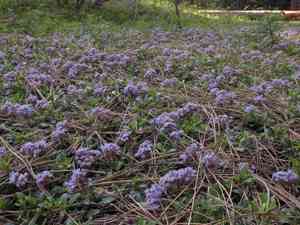
Mahala mat (Ceanothus prostratus)
Also known as: Bear mat
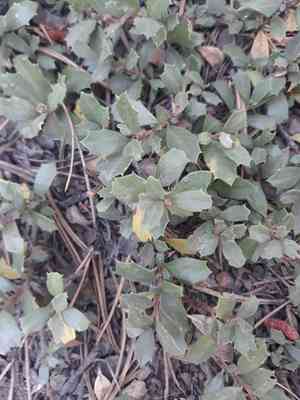
Ceanothus prostratus, known as prostrate ceanothus or squaw carpet, is a low-lying, evergreen shrub that typically grows to about 0.3 meters in height and can spread outwards up to 3 meters. The plant features small, opposite, oval leaves with a glossy appearance. During the spring, it blooms with clusters of blue to lavender flowers arranged in umbel-like inflorescences. It thrives in well-drained soils and prefers full sun to partial shade, demonstrating significant drought tolerance once established.
In This Article
Attributes of Mahala mat
Lifespan
Perennial
Plant Type
Shrub
Plant Height
30 cm
Spread
3 m
Leaf Color
Dark green
Flower Size
0.25-0.5 inches (0.6-1.2 cm)
Flower Color
Blue, occasionally purplish-blue
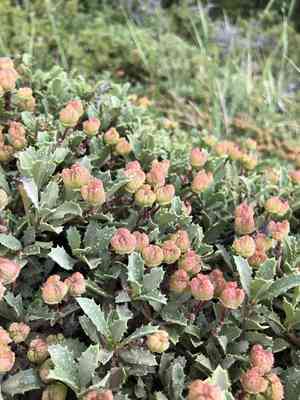
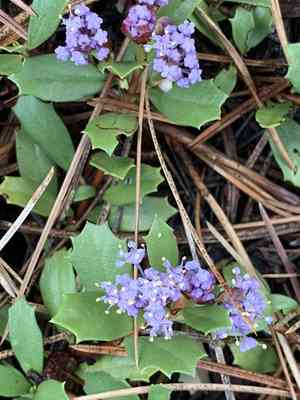
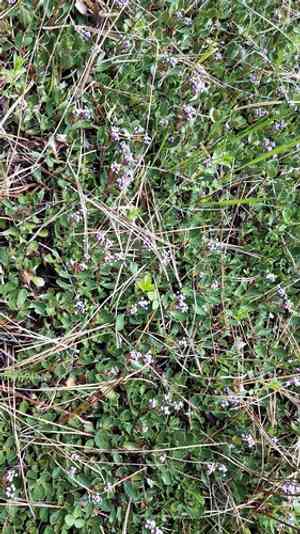
Images of Mahala mat
Quickly Identify Mahala mat
1
Look for a low, spreading shrub with glossy, green leaves that have serrated edges. Springtime brings clusters of small blue or purple flowers. The plant forms dense mats close to the ground.
Scientific Classification of Mahala mat
Phylum
Vascular plants
Class
Dicotyledons
Order
Rosales
Family
Buckthorn
Genus
Redroots
Species
Mahala mat
Planting and Growing of Mahala mat
Care Difficulty
Easy
Watering Schedule
Every 2 days
Sunlight Requirements
Partial sun
Sunshine Duration
6-10 hours
Ideal Temperature
55-75℉
Soil Type
Potting Mix, Peat Mix
Soil pH
6.5-7.5
Fertilizer Type
Balanced
Pruning Season
Spring, Summer
Pruning Area
Branches, Leaves
Pruning Frequency
2 times a year
Repotting Season
Spring
Pot Type
Plastic, Ceramic
 How to Water Mahala mat?
Ceanothus prostratus prefers a moderate watering strategy, requiring about 200 milliliters each time. The principle is to ensure soil is moist but not waterlogged, allowing for adequate drainage while providing sufficient hydration for growth.
What are the symptoms of an underwatered Mahala mat?
›
What should I do if my Mahala mat is not getting enough water?
›
What are the symptoms of an overwatered Mahala mat?
›
How to save an overwatered Mahala mat?
›
 What Are the Sunlight Requirements for Mahala mat?
Ceanothus prostratus prefers partial to full sun, ideally receiving 4-6 hours of direct sunlight daily. This light exposure supports robust growth, vibrant blooms, and overall vitality.
What is the ideal lighting for Ceanothus prostratus?
›
How can I ensure Ceanothus prostratus gets ideal light?
›
What benefits does ideal light provide Ceanothus prostratus?
›
 What Is the Ideal Temperature Range for Mahala mat?
The ideal temperature range for growing Ceanothus prostratus is between 55°F and 75°F. These conditions provide the warmth necessary for optimal photosynthesis and growth, without the stress associated with temperatures that are too high or too low. Maintaining this range ensures the proper functioning of physiological processes, leading to healthy plant development.
 What Soil is Best for Mahala mat?
Ceanothus prostratus thrives in well-drained soil as it prevents root rot and ensures the plant remains healthy. Adequate drainage allows excess water to escape, providing a more stable environment for the roots to absorb necessary nutrients without the risk of oversaturation. A nutrient-rich substrate is essential for the optimal growth of Ceanothus prostratus. Abundant organic matter aids in the development of vigorous foliage and abundant flowering, enhancing the plant's overall vitality and resilience against pests and diseases. The soil must maintain moderate moisture retention qualities to keep the plant hydrated without becoming waterlogged. Consistent moisture levels help in preventing stress due to drought while still protecting the plant from the effects of overwatering.
 How to Fertilize Mahala mat?
The amount of fertilizer to be applied to Ceanothus prostratus should be minimal. This low-growing shrub is adapted to nutrient-poor soils and thus requires very little fertilization. For liquid fertilizers, use a diluted solution of balanced all-purpose fertilizer at 1/4 strength once a month during the growing season. For slow-release fertilizers, an annual application of a low-nitrogen formula in early spring is sufficient.
 How to Prune Mahala mat?
Start by identifying and removing any dead or damaged branches. This not only tidies the appearance but also improves overall plant health. Trim back each branch to shape the plant, ensuring not to cut more than a third of any branch to avoid stressing the plant. Focus on cutting branches that inhibit horizontal spread, encouraging the plant's natural prostrate habit and preventing overcrowding.
More About Pruning Techniques→
 How to Propagate Mahala mat plant?
1
Collect seeds from mature Ceanothus prostratus plants. Allow the seed pods to dry on the plant before harvesting to ensure seeds are fully matured and viable for planting.
2
Cut 6-8 inch long stems during spring. Choose healthy stems with no flowers or buds, and remove the leaves from the lower half to prepare them for root growth.
3
Use a well-draining potting mix with equal parts of peat and sand. This provides a light and airy environment for both seeds and cuttings to develop roots effectively.
 How to Repot Mahala mat plant?
1
Ceanothus prostratus requires repotting when its roots begin to outgrow its container or when you notice a decline in growth or blooming. The best times are during the early spring or early autumn. When roots start circling the pot's bottom or coming out of drainage holes, it's a clear sign your plant needs more space and nutrient replenishment.
2
Select a pot that is 1-2 inches larger in diameter than the current one. Ensure it has drainage holes to prevent waterlogging. A breathable material like terracotta can help with moisture control and improve air circulation, reducing the risk of root rot and promoting healthier plant growth.
3
Opt for well-drained sandy loam soil to provide Ceanothus prostratus with adequate aeration and drainage. This type of soil replicates the plant's natural environment, allowing optimal root growth while preventing waterlogging, ensuring your plant remains healthy and robust.



