How to Prune Palmer ceanothus?
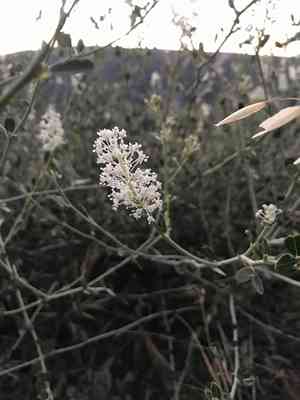
Recognized for its appealing azure blossoms and thick leafage, palmer ceanothus thrives with trimming in early spring prior to the emergence of fresh shoots. Eliminate any lifeless or impaired limbs and sculpt the shrub to improve air movement and development. Refrain from severe cutting, as it could impede blooming. Consistent, gentle pruning fosters a more robust framework and abundant flowers. Always use sanitized, keen implements to avert harm. This regimen encourages more vigorous growth, boosts visual appeal, and deters ailments.
Advantages of Trimming Palmer Ceanothus
Advantages of Trimming Palmer Ceanothus
Trimming palmer ceanothus encourages robust development, maintains desired form, boosts flowering, and lowers disease risk. Consistent pruning of palmer ceanothus promotes vigor and prevents excessive growth, ensuring a well-kept and attractive specimen.
Optimal Period for Pruning Palmer Ceanothus
Optimal Period for Pruning Palmer Ceanothus
Pruning palmer ceanothus in early spring is ideal as it typically occurs before the plant begins its active growth cycle. Pruning during this time allows the plant to heal and generate new growth efficiently. Additionally, it helps to stimulate more robust flowering in the following seasons and prevents any potential damage from pruning during the peak growth or flowering period. Early spring pruning also reduces the likelihood of disease and pest infestations that can occur if pruning wounds are exposed during more active growing periods.
Essential Tools for Pruning Palmer Ceanothus
Bypass Pruners
Perfect for making precise cuts on small to medium-sized branches, minimizing harm to plant tissue.
Loppers
Best for thicker branches requiring more leverage. They help maintain the structure and health of palmer ceanothus by removing larger branches.
Pruning Saw
Required for cutting through larger, more mature branches that bypass pruners and loppers cannot manage. Safeguards the plant by ensuring clean cuts that can heal properly.
Hand Shears
Useful for detailed work and refining the shape of palmer ceanothus. These are optimal for snipping smaller stems and creating a more polished appearance.
Pruning Gloves
Crucial for personal safety when handling potentially sharp and jagged branches of palmer ceanothus.
How to Prune Palmer Ceanothus
Identify
Carefully inspect palmer ceanothus to pinpoint all sections needing removal, such as diseased leaves, withered leaves, dead branches, and diseased branches.
Sanitize
Before pruning, clean and sterilize your pruning tools to prevent the spread of disease. Use a solution of one part bleach to nine parts water.
Trim diseased leaves
Remove any diseased leaves by cutting them off with a sterilized pair of scissors or pruning shears, making sure to dispose of them properly to avoid contaminating the healthy parts of palmer ceanothus.
Remove dead branches
Cut dead branches back to just above a healthy node or the main stem. This will prevent further decay and promote better air circulation within palmer ceanothus.
Cut withered leaves
Trim away any withered leaves to enhance the plant's appearance and redirect energy to more vigorous growth. Make clean cuts at the base of the leaf stem.
Common Pruning Errors with Palmer Ceanothus
Over-pruning
Excessive trimming can stress palmer ceanothus and hinder its ability to bloom, leading to reduced vitality.
Improper Technique
Using dull or unclean tools can result in jagged cuts, which may attract diseases or pests.
Pruning at Incorrect Sites
Cutting too close to the main stems or removing entire branches can damage the plant's natural structure and growth.
General Pruning Advice for Palmer Ceanothus
Use Sharp, Clean Tools
Ensure all pruning shears and saws are sharp and sanitized to make clean cuts and reduce the risk of disease.
Follow the Plantâs Natural Shape
Aim to prune palmer ceanothus in a way that maintains its natural, rounded form, avoiding drastic reshaping.
Remove Dead and Diseased Wood
Regularly clear away dead or unhealthy branches to promote better air circulation and overall plant health.
Make Pruning Cuts Angled
Always prune branches at an angle above a bud or branch junction to facilitate water runoff and prevent rot.



