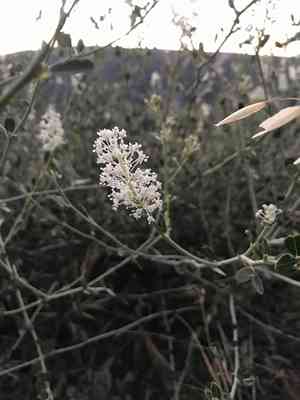
Palmer ceanothus (Ceanothus palmeri)
Also known as: Palmer's Ceanothus, Palmer Ceanothus
Palmer ceanothus is a hardy shrub well-suited for the dry, rocky soils of chaparral and woodland regions. It features abundant clusters of small, pale blue to purplish flowers that stand out against its dark green, shiny leaves, usually blooming in spring. Known for its drought resistance, it has a deep root system that also aids in slope stabilization, adding both ecological and visual appeal.
In This Article
Attributes of Palmer ceanothus
Lifespan
Perennial
Plant Type
Shrub
Plant Height
6-10 feet (1.8-3 meters)
Spread
8-10 feet (2.5-3 meters)
Leaf Color
Dark Green
Flower Size
Small, cluster up to 6 inches
Flower Color
White to Pale Blue
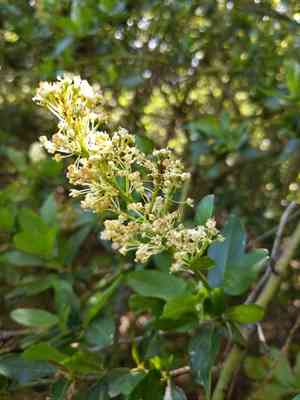
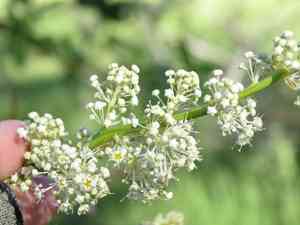
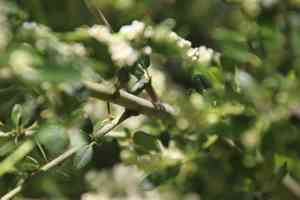
Images of Palmer ceanothus
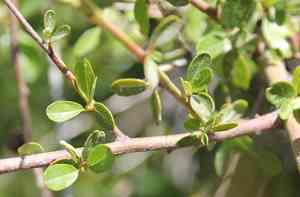
Quickly Identify Palmer ceanothus
1
Look for a large shrub with dark green, oval leaves that are slightly toothed. The plant blooms with clusters of small white to pale blue flowers typically during the spring season.
Scientific Classification of Palmer ceanothus
Phylum
Vascular plants
Class
Dicotyledons
Order
Rosales
Family
Buckthorn
Genus
Redroots
Species
Palmer ceanothus
Planting and Growing of Palmer ceanothus
Care Difficulty
Moderate
Watering Schedule
Every day
Sunlight Requirements
Full sun
Sunshine Duration
6-10 hours
Ideal Temperature
60-75℉
Soil Type
Potting Mix, Peat Mix
Soil pH
6.5-7.5
Fertilizer Type
Balanced
Pruning Season
Spring, Summer
Pruning Area
Branches, Leaves
Pruning Frequency
2 times a year
Repotting Season
Spring
Pot Type
Plastic, Ceramic
 How to Water Palmer ceanothus?
Ceanothus palmeri requires about 500 milliliters of water per watering session. Make sure the soil is moist but not soggy. The key is to aim for deep watering to encourage the roots to grow strong. Let the surface of the soil dry out before the next watering.
What are the symptoms of an underwatered Palmer ceanothus?
›
What should I do if my Palmer ceanothus is not getting enough water?
›
What are the symptoms of an overwatered Palmer ceanothus?
›
How to save an overwatered Palmer ceanothus?
›
 What Are the Sunlight Requirements for Palmer ceanothus?
Ceanothus palmeri prefers a light range of full to partial sun, with ideal exposure time being 6 to 8 hours. Optimal lighting promotes vibrant growth and ensures consistent blooming.
What is the recommended light for Ceanothus palmeri?
›
How can I achieve ideal light conditions for my Ceanothus palmeri?
›
What benefits does Ceanothus palmeri gain from ideal lighting?
›
 What Is the Ideal Temperature Range for Palmer ceanothus?
Ceanothus palmeri thrives best in temperatures ranging from 60°F to 75°F. In this temperature range, the plant can carry out photosynthesis efficiently, leading to healthy growth and development. Temperatures in this range also support optimum nutrient absorption and transpiration processes, which are critical to maintaining the plant’s vigor.
 What Soil is Best for Palmer ceanothus?
Ceanothus palmeri thrives best in well-drained soils that prevent waterlogging. Good drainage allows enough air to reach the roots, essential for healthy growth and preventing root rot. Moderately fertile soil provides the right amount of nutrients without overwhelming the plant. This promotes steady growth and vibrant, lush bloom production. This plant prefers soil with low water retention to mimic its natural arid habitat. This characteristic helps prevent issues related to overwatering, such as fungal diseases.
 How to Fertilize Palmer ceanothus?
For Ceanothus palmeri, the application of fertilizer should be minimal but well-balanced. Typically, a light dose of about 1/4 to 1/2 strength of a balanced 10-10-10 NPK fertilizer is recommended, primarily during the growing season. Over-fertilization can damage this plant, as it's native to nutrient-poor soils.
 How to Prune Palmer ceanothus?
Use clean, sharp pruning shears or loppers for the best results. Make sure your tools are sanitized before making any cuts to prevent the spread of disease. Start by removing any dead, diseased, or damaged branches to promote healthy growth. Next, trim back any overgrown areas, cutting just above a healthy bud to encourage new growth. Finally, shape the plant by cutting back any overly long shoots, maintaining a natural form. The best time to prune Ceanothus palmeri is immediately after flowering in spring or early summer. This avoids removing buds that will produce next season’s flowers.
More About Pruning Techniques→
 How to Propagate Palmer ceanothus plant?
1
Begin by collecting seeds from a healthy Ceanothus palmeri plant. Clean the seeds to remove any pulp and soak them in water for 24 hours to break dormancy and enhance germination rates.
2
Fill the seed trays with a well-draining potting mix. Sow the seeds approximately 1/4 inch deep and firm the soil gently. Mist lightly with water and cover with a clear lid or plastic to maintain humidity.
3
In late spring, take cuttings from healthy, semi-hardwood sections of the plant. Each cutting should be about 4–6 inches long and stripped of the lower leaves. Dip the cut end in rooting hormone to encourage root development.
 How to Repot Palmer ceanothus plant?
1
Ceanothus palmeri should be repotted when you notice roots growing out of the bottom drainage holes of the pot. Additionally, if the plant's growth is stunted or it needs more water than usual, it may be time to repot. Ideal repotting timing is during Spring or Autumn when the plant's activity is not at its peak.
2
When selecting a pot for Ceanothus palmeri, ensure it is 1-2 inches larger in diameter than the current pot. This allows room for root expansion without overwhelming the plant, which can lead to water retention issues. Opt for pots with adequate drainage holes to prevent waterlogging.
3
Choose a well-draining potting mix that mimics the plant's natural environment. A mix that includes sand, peat, and perlite is ideal as it provides excellent drainage and ensures roots have access to air, preventing root rot and encouraging healthy growth.
Learn More About Palmer ceanothus Diseases
Anthracnose
Bacterial Leaf Spot
Crown Gall
Cyst Nematode
Damping-off
Downy Mildew
Drought Stress
Fusarium Wilt
Gray Mold
Leaf Curl
Leaf Spot
Mosaic
Nutrient Deficiency
Nutrient Toxicity
Powdery Mildew
Root Rot
Root-knot Nematode
Rusts
Sooty Mold
Spider Mites
Temperature Stress
Thrips Damage
White Mold



