How to Prune Lemmon's ceanothus?
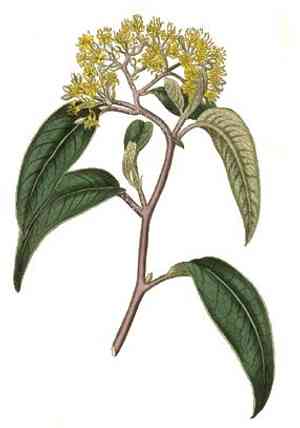
Ceanothus lemmonii is a robust woody plant recognized for its lustrous, deep green foliage. To preserve its form and vitality, trim it in early spring prior to the emergence of new shoots. Eliminate any deceased or compromised branches and thin out crowded sections to improve air movement. Moderate trimming fosters thicker leaves and more abundant blooms. Consistent pruning additionally aids in controlling its dimensions and cultivating a tidy look. Always employ sanitized, keen implements to lessen strain and avert illness.
Advantages of Trimming Lemmon's Ceanothus
Advantages of Trimming Lemmon's Ceanothus
Trimming lemmon's ceanothus encourages robust development, maintains its form, and manages its dimensions. It fosters healthier, denser foliage, enhances blooming, and aids the plant in resisting pests and illnesses. Consistent trimming also boosts overall plant vigor and look.
Optimal Period for Trimming Lemmon's Ceanothus
Optimal Period for Trimming Lemmon's Ceanothus
Early spring is considered the prime time for trimming lemmon's ceanothus because this interval allows the plant to recover and generate new growth before the active season. Trimming at this point helps to shape the plant, improve air flow, and eliminate any damaged or dead wood that could impact its health and appearance. Furthermore, trimming prior to the active growth phase ensures minimal disturbance to lemmon's ceanothus's flowering cycle, leading to superior blooms and overall vitality.
Necessary Tools for Trimming Lemmon's Ceanothus
Bypass Pruners
These are crucial for making precise cuts on lemmon's ceanothus's younger and smaller branches, which assists in preserving plant health and form.
Loppers
Beneficial for cutting through thicker branches of lemmon's ceanothus. The extended handles offer additional leverage, simplifying access to higher areas of the shrub.
Pruning Saw
Required for managing the thicker, more mature branches of lemmon's ceanothus that loppers cannot handle. It ensures accurate cuts without harming the plant.
Hedge Shears
Perfect for shaping and maintaining the overall structure of lemmon's ceanothus. They help create a more refined and uniform look for the plant.
Gloves
Essential for safeguarding your hands from thorns and rough branches while trimming lemmon's ceanothus. They provide a better grip and enhance comfort during the process.
How to Trim Lemmon's Ceanothus
Examine
Carefully inspect lemmon's ceanothus for any areas of concern. Identify diseased leaves, withered leaves, dead branches, and diseased branches that require attention.
Tool Sterilization
Before commencing the trimming process, sterilize all trimming tools with rubbing alcohol or a bleach solution to prevent the spread of diseases.
Remove Diseased Parts
Start by removing any diseased leaves and branches. Cut just below the affected area into healthy wood. Collect and discard any removed parts to avoid contaminating the plant and soil.
Trim Withered Parts
Next, trim away all withered leaves. Use sharp, clean shears to cut as close to the base of the leaf as possible without harming the surrounding foliage.
Clear Dead Parts
Finally, eliminate any dead branches. Make clean cuts at the base of the branch or just above a healthy bud to encourage new growth. Regularly check for any other dead parts and remove them promptly.
Common Trimming Errors with Lemmon's Ceanothus
Excessive trimming
Removing too much of the plant at once can stress lemmon's ceanothus, weaken its structure, and hinder flowering.
Incorrect timing
Trimming at the wrong time of year can disrupt the plant's natural growth cycle and reduce blooming.
Improper cuts
Using dull or unsuitable tools can lead to jagged cuts, increasing the risk of disease and pests.
Neglecting plant health
Trimming unhealthy branches without addressing the underlying health issues can exacerbate the problems.
General Trimming Advice for Lemmon's Ceanothus
Utilize sharp tools
Always use sharp, clean trimming shears to make precise cuts, minimizing damage and reducing the risk of infection.
Understand the plant's growth habit
Recognize that lemmon's ceanothus blooms on old wood, so prioritize maintenance trimming over severe cutting.
Eliminate dead or damaged wood
Regularly remove any dead, diseased, or damaged branches to promote healthier growth.
Thin out congested branches
Improve air circulation and light penetration by thinning out overly dense areas, which helps prevent disease.



