How to Propagate Lemmon's ceanothus?
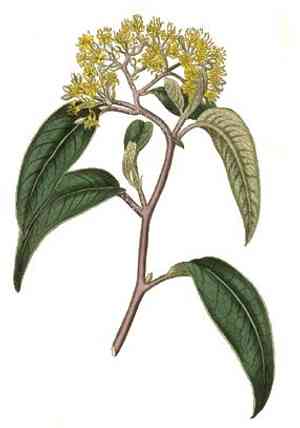
Ceanothus lemmonii, a native shrub, is recognized for its hardiness and versatility. To effectively propagate via cuttings, collect semi-hardwood sections during the autumn season. Employ a rooting stimulant to foster root formation, and place them in a soil blend that drains efficiently, ensuring steady dampness and diffused light. After rooting occurs, progressively introduce them to external environments prior to relocating. This technique guarantees vigorous development and the preservation of desired characteristics for ceanothus lemmonii.
Optimal Time for Lemmon's Ceanothus Propagation
Propagation Method
Cutting
Propagation Period
Spring,Summer
Tools for Lemmon's Ceanothus Propagation
Pruning Shears
Crucial for obtaining healthy cuttings from lemmon's ceanothus. They ensure precise cuts, minimizing plant trauma and boosting the likelihood of successful rooting. Sharp, high-quality shears help prevent disease and pest entry.
Rooting Hormone
Enhances the success rate of root formation in lemmon's ceanothus cuttings. Dip cut ends in hormone powder or gel to stimulate quicker and more effective root development. Especially useful given lemmon's ceanothus's tendency for slow natural rooting.
Sterile Potting Medium
Offers a disease-free environment conducive to root growth in lemmon's ceanothus. Utilize a well-draining mix, such as sand and perlite, to mimic the plant's natural habitat and deter rot.
Humidity Dome or Propagation Tray with Lid
Maintains high humidity levels vital for the delicate lemmon's ceanothus cuttings. Helps retain moisture and create a micro-environment that mirrors natural conditions, reducing stress on cuttings.
Heat Mat
Warms the root zone, accelerating root development for lemmon's ceanothus. Sustains a consistent temperature, particularly beneficial in cooler climates or during off-season propagation.
Misting Bottle
Delivers gentle, even moisture to lemmon's ceanothus cuttings, ensuring hydration without waterlogging. This controlled watering method prevents desiccation and promotes robust cuttings.
Labels and Waterproof Marker
Important for tracking various cuttings, especially when propagating multiple species alongside lemmon's ceanothus. Aids in monitoring progress and care for each cutting without confusion.
Disinfectant Solution
Used to sanitize tools and prevent pathogen introduction to lemmon's ceanothus cuttings. Regular cleaning with disinfectant ensures a sterile environment, critical for cutting health.
How to Propagate Lemmon's Ceanothus?
Propagation Difficulty
Moderately Difficult
Caring for Your Newly Propagated Lemmon's Ceanothus
Caring for Your Newly Propagated Lemmon's Ceanothus
After transplanting, continue providing bright, indirect light and consistent moisture. Gradually acclimate lemmon's ceanothus to outdoor conditions before garden planting. Regular watering is crucial during the first year; ensure good soil drainage to prevent root rot. Prune as needed to encourage bushier growth and remove dead or diseased branches.
Common Mistakes to Avoid When Propagating Lemmon's Ceanothus
Overwatering
Excessive watering can lead to root rot and fungal diseases, severely impacting plant health and hindering successful propagation.
Incorrect Soil Composition
Using soil that retains too much moisture or lacks proper drainage can suffocate roots and impede healthy growth.
Improper Sunlight
Providing either too much or too little sunlight can stress the plant, affecting its ability to root and grow robustly.
Ignoring Pests
Failing to monitor and manage pests can result in damage to young cuttings, compromising their development.
Poor Cutting Selection
Choosing weak or unhealthy cuttings reduces the chances of successful propagation, as these may not develop strong root systems.
Tips For Propagating Lemmon's Ceanothus
Use Well-Draining Soil
Ensure the soil mix provides good drainage to prevent waterlogging and root issues, enhancing root development.
Moderate Watering
Water the cuttings adequately without saturating the soil. Maintain a balance to keep the soil moist but not soggy.
Optimal Sunlight
Place the cuttings in a location that receives bright but indirect sunlight to promote healthy growth without causing stress.
Monitor and Manage Pests
Regularly check for pests and take necessary actions to protect the cuttings from damage.
Select Healthy Cuttings
Choose robust, disease-free cuttings for propagation to increase the likelihood of successful rooting and growth.



