
Lemmon's ceanothus (Ceanothus lemmonii)
Also known as: Lemmon's Ceanothus
Lemmon's ceanothus, or Ceanothus lemmonii, serves multiple purposes in gardening and landscaping:
1. **Water-Efficiency**: Perfect for drought-resistant gardens and xeriscaping.
2. **Soil Stabilization**: Its robust root network helps prevent soil erosion, especially on inclined terrains.
3. **Wildlife Attraction**: Draws pollinators like bees and butterflies, enhancing biodiversity.
4. **Visual Appeal**: Features striking blue blooms and evergreen leaves, adding year-round beauty to gardens.
5. **Easy Upkeep**: Low maintenance needs make it a practical choice for effortless garden care.
In This Article
Attributes of Lemmon's ceanothus
Lifespan
Perennial
Plant Type
Shrub
Plant Height
2-5 feet
Spread
4-6 feet
Leaf Color
Dark green
Flower Size
Less than 1 inch
Flower Color
Blue, sometimes white
Images of Lemmon's ceanothus



Quickly Identify Lemmon's ceanothus
1
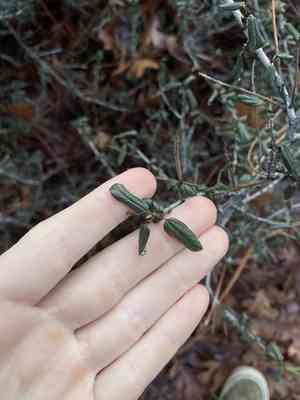
This plant can be identified by its evergreen leaves, which are dark green and glossy. Its flowers are small, blue or white, and grow in dense clusters. The branches have a spreading habit, often forming a low, dense canopy.
Scientific Classification of Lemmon's ceanothus
Phylum
Vascular plants
Class
Dicotyledons
Order
Rosales
Family
Buckthorn
Genus
Redroots
Species
Lemmon's ceanothus
Planting and Growing of Lemmon's ceanothus
Care Difficulty
Moderate
Watering Schedule
Every 2 days
Sunlight Requirements
Full sun
Sunshine Duration
4-6 hours
Ideal Temperature
60-75℉
Soil Type
Potting Mix, Peat Mix
Soil pH
6.5-7.5
Fertilizer Type
Balanced
Pruning Season
Spring, Summer
Pruning Area
Branches, Leaves
Pruning Frequency
2 times a year
Repotting Season
Spring
Pot Type
Plastic, Terracotta
 How to Water Lemmon's ceanothus?
Ceanothus lemmonii requires about 500 ml of water per session. Ensure the soil is thoroughly moistened but not waterlogged. Water should penetrate deep into the soil, allowing roots to absorb it effectively without sitting in soggy conditions.
What are the symptoms of an underwatered Lemmon's ceanothus?
›
What should I do if my Lemmon's ceanothus is not getting enough water?
›
What are the symptoms of an overwatered Lemmon's ceanothus?
›
How to save an overwatered Lemmon's ceanothus?
›
 What Are the Sunlight Requirements for Lemmon's ceanothus?
Ceanothus lemmonii thrives in full sun or partial sun environments. Ideal lighting promotes vigorous growth and ensures vibrant flowering, providing both aesthetic beauty and habitat benefits.
Best Time of Day for Sunlight
›
Optimal Sunlight Duration
›
Seasonal Sun Adjustments
›
 What Is the Ideal Temperature Range for Lemmon's ceanothus?
The ideal temperature range for Ceanothus lemmonii is crucial for its optimal growth. This range is typically between 60 to 75 degrees Fahrenheit, where the plant can photosynthesize efficiently and maintain its vital metabolic processes. Proper growth and flowering are supported in this temperature bracket, leading to a healthy and robust plant.
 What Soil is Best for Lemmon's ceanothus?
Ceanothus lemmonii thrives in well-draining soil because it prevents root rot by ensuring excess water quickly moves away from the roots, thereby maintaining a balanced moisture level vital for healthy growth. This plant doesn't require overly rich soils. Medium fertility is ideal as it supports sound growth without encouraging leggy, weak branches, leading to a mature plant that is both hardy and resilient. Preferring soil that is neutral to slightly alkaline allows Ceanothus lemmonii to access essential nutrients efficiently, promoting vibrant foliage and prolific flowering seasons.
 How to Fertilize Lemmon's ceanothus?
Ceanothus lemmonii, like many native shrubs, prefers a lean diet. Over-fertilization can lead to issues, so when applying fertilizers, aim for a light hand. Use half the dose recommended for general shrubs to ensure you don't overwhelm the plant.
 How to Prune Lemmon's ceanothus?
Ceanothus lemmonii, commonly known as Lemmon's ceanothus, benefits from understanding its natural growth patterns. Typically, it displays a dense and bushy habit with vibrant displays of blue flowers. Pruning should enhance these natural characteristics while ensuring the plant maintains a manageable size. Begin by identifying any dead or diseased wood and remove these branches with clean cuts. Next, trim back around one-third of the new growth to encourage a thicker canopy. Use sharp and sterilized pruning shears, making angled cuts just above a healthy bud or junction to promote new growth.
More About Pruning Techniques→
 How to Propagate Lemmon's ceanothus plant?
1
Prepare a well-draining soil mix with sand, peat, and perlite. This mixture will ensure adequate aeration and moisture retention for the cuttings or seeds.
2
Select healthy, non-flowering stems around 4-6 inches long. Cut at a 45-degree angle just below a leaf node to maximize rooting potential.
3
Sow seeds on the surface of moist soil and lightly cover with a thin layer of soil, approximately 1/8 inch deep. Mist the soil gently to maintain moisture.
 How to Repot Lemmon's ceanothus plant?
1
Ceanothus lemmonii requires repotting when you notice roots circling inside the pot, soil dries out too quickly after watering, or the plant growth seems stunted. These signals indicate it's time for fresh soil and more space.
2
Select a pot that is 2-3 inches larger in diameter than the current one, with ample drainage holes. A suitable pot prevents water-logging and promotes healthy root growth due to proper aeration and space for expansion.
3
Opt for a well-draining sandy soil mix enriched with organic matter. This type of soil mimics the plant’s natural environment, ensuring adequate moisture retention while preventing root rot in your Ceanothus lemmonii.



