How to Prune Hoaryleaf ceanothus?
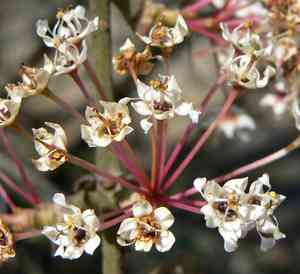
This perennial woody plant, recognized by its tough foliage and compact habit, thrives with infrequent trimming. For hoaryleaf ceanothus, the ideal period for pruning is during the winter season when the plant is inactive. Shear to sculpt and control dimensions, eliminating deceased or impaired limbs to foster robust development. Refrain from extensive cutting, as hoaryleaf ceanothus reacts poorly to drastic pruning. This upkeep enhances air circulation and diminishes the likelihood of illness, preserving the shrub's inherent structure.
What Are the Benefits of Pruning Hoaryleaf Ceanothus?
What Are the Benefits of Pruning Hoaryleaf Ceanothus?
Trimming hoaryleaf ceanothus promotes robust new development and maintains its desired shape. Regular cutting fosters a strong structure and can revitalize the plant's overall vitality.
What Is the Best Time for Pruning Hoaryleaf Ceanothus?
What Is the Best Time for Pruning Hoaryleaf Ceanothus?
Pruning in late winter, just before spring growth commences, allows hoaryleaf ceanothus to recover quickly from cuts as new growth emerges. This timing minimizes plant stress and reduces disease risk from dormant pests and pathogens. It's also ideal for shaping the plant and removing damaged or diseased branches without affecting upcoming blooms, as hoaryleaf ceanothus typically flowers in spring and summer. Pruning during this season helps encourage vigorous growth and maintain desired size and structure.
What Tools Do I Need to Prune Hoaryleaf Ceanothus?
Hand Pruners
Essential for making clean cuts on small branches and twigs of hoaryleaf ceanothus. These are perfect for removing spent flowers and shaping the shrub.
Loppers
Best for cutting thicker branches that hand pruners cannot manage. Their long handles provide leverage, making pruning less strenuous.
Pruning Saw
Necessary for removing mature, thick branches of hoaryleaf ceanothus without harming the plant. Its fine-toothed blade allows for precise cuts on woody parts.
Hedge Shears
Useful for trimming and shaping hoaryleaf ceanothus hedges when a uniform appearance is desired. Shears are designed to efficiently cut multiple small stems simultaneously.
Gloves
Though not a cutting tool, gloves are crucial for protecting hands from thorns and rough bark when pruning hoaryleaf ceanothus.
How to Prune Hoaryleaf Ceanothus
Clean pruning tools
Sanitize pruning shears and saws before beginning to prevent disease spread to hoaryleaf ceanothus. Use alcohol or a household disinfectant for sterilization.
Remove withered leaves
Carefully remove withered leaves from hoaryleaf ceanothus by snipping at the base of each leaf or leaf stem, avoiding damage to healthy foliage and stems.
Cut dead branches
Identify and cut dead branches where they meet healthy wood. Make clean cuts without tearing the bark of hoaryleaf ceanothus. The cut should be just outside the branch collar without damaging it.
Prune diseased branches
Prune diseased branches on hoaryleaf ceanothus well back into healthy tissue. Disinfect pruning tools after each cut to prevent infection spread.
Shape plant
After removing damaged material, selectively thin out crowded areas to improve air circulation, light penetration, and maintain the desired shape of hoaryleaf ceanothus.
Common Pruning Mistakes with Hoaryleaf Ceanothus
Overpruning
Removing excessive foliage or too many branches at once can stress hoaryleaf ceanothus, hindering its growth and resulting in a sparse, weakened plant.
Improper cuts
Incorrect cutting techniques, such as tearing bark, leaving stubs, or cutting too close to the main stem, can introduce disease and impede healing in hoaryleaf ceanothus.
Flush cutting
Making cuts flush with the trunk can damage the branch collar, an area rich in healing and growth cells vital for hoaryleaf ceanothus's recovery.
Disregarding plant structure
Failing to consider the natural shape and growth pattern of hoaryleaf ceanothus may lead to an unnatural appearance and affect future growth.
Ignoring dead or diseased wood
Neglecting to remove dead, dying, or diseased branches can lead to pest infestations and further decline the health of hoaryleaf ceanothus.
Inadequate tool maintenance
Using dull or dirty tools can cause unnecessary damage and introduce pathogens to the pruning cuts on hoaryleaf ceanothus.
Common Pruning Tips for Hoaryleaf Ceanothus
Selective thinning
Target the removal of specific branches to open up the plant, improve air circulation, and light penetration to the interior of hoaryleaf ceanothus, which encourages healthy growth and flowering.
Sharp tools
Always use sharp and clean pruning tools to make precise cuts that will heal cleanly, reducing the risk of disease for hoaryleaf ceanothus.
Natural shape
Follow the natural growth habit of hoaryleaf ceanothus when pruning to maintain its characteristic form and to avoid excessive stress on the plant.
Three-cut method
For removing larger limbs, follow the three-cut method to prevent bark tearing: a notch cut on the underside of the branch, a relief cut further out, and a final cut through the branch closer to the trunk, outside the branch collar.
Regular inspection
Periodically check hoaryleaf ceanothus for damaged or diseased limbs, which should be the first to go when pruning. This helps maintain the overall health of the plant.
Gradual approach
Prune hoaryleaf ceanothus gradually over several seasons if extensive cutting back is required, rather than all at once. This approach will minimize stress.
Crown cleaning
Remove any water sprouts or suckers that may appear on hoaryleaf ceanothus since these can divert energy from the more desirable portions of the plant.



