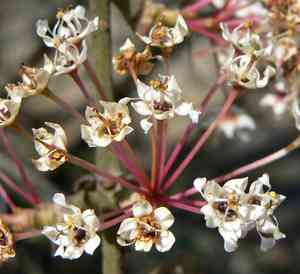
Hoaryleaf ceanothus (Ceanothus crassifolius)
Also known as: Thickleaf Ceanothus, Hoaryleaf Ceanothus
Hoaryleaf ceanothus (Ceanothus crassifolius), found in the mountainous regions of southern California, is a resilient shrub known for its drought tolerance. Indigenous peoples utilized this plant in various ways: its flowers and young fruits were used to create soap, thanks to their saponin content, and a red dye was produced from its roots. The plant also served practical purposes like making strong fibers for tools, baskets, and ropes.
In This Article
Attributes of Hoaryleaf ceanothus
Lifespan
Perennial
Plant Type
Shrub
Plant Height
1.8 m to 4.5 m
Spread
1.8 m to 3 m
Leaf Color
Green
Flower Size
2.5 cm
Flower Color
White Purple
Images of Hoaryleaf ceanothus
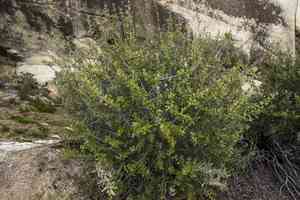
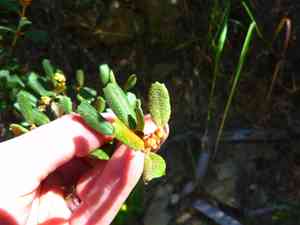
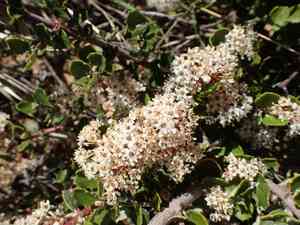
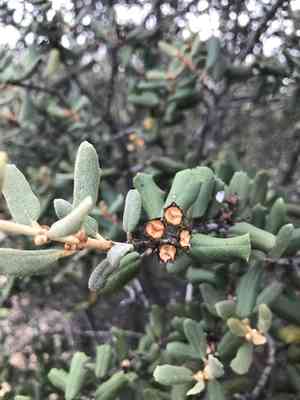
Quickly Identify Hoaryleaf ceanothus
1
To identify Ceanothus crassifolius, look for its thick, leathery leaves that are gray-green in color and have a hoary or hairy texture. The plant also produces clusters of small, white flowers typically arranged in dense, rounded inflorescences.
Scientific Classification of Hoaryleaf ceanothus
Phylum
Vascular plants
Class
Dicotyledons
Order
Rosales
Family
Buckthorn
Genus
Redroots
Species
Hoaryleaf ceanothus
Planting and Growing of Hoaryleaf ceanothus
Care Difficulty
Easy
Watering Schedule
Every 2 days
Sunlight Requirements
Full sun
Sunshine Duration
4-8 hours
Ideal Temperature
60-75℉
Soil Type
Potting Mix, Peat Mix
Soil pH
6.5-7.5
Fertilizer Type
Balanced
Pruning Season
Spring, Summer
Pruning Area
Branches, Leaves
Pruning Frequency
2 times a year
Repotting Season
Spring
Pot Type
Plastic, Ceramic
 How to Water Hoaryleaf ceanothus?
Ceanothus crassifolius, known commonly as the thickleaf ceanothus, demands a careful balance in its watering needs. Water deeply but less frequently, allowing the soil to become almost dry between waterings, which mimics its natural environment. A single watering event should involve around 700 ml, ensuring moisture reaches the deeper roots.
What are the symptoms of an underwatered Hoaryleaf ceanothus?
›
What should I do if my Hoaryleaf ceanothus is not getting enough water?
›
What are the symptoms of an overwatered Hoaryleaf ceanothus?
›
How to save an overwatered Hoaryleaf ceanothus?
›
 What Are the Sunlight Requirements for Hoaryleaf ceanothus?
Ceanothus crassifolius thrives in full or partial sun, ideally receiving 6 to 8 hours daily. This ensures optimal growth, flowering, and disease resistance, reflecting its natural environmental conditions.
More About Sunlight Requirements Techniques→
What is the best lighting condition for Ceanothus crassifolius?
›
How can one achieve this ideal lighting condition?
›
What are the benefits of achieving this ideal lighting condition?
›
 What Is the Ideal Temperature Range for Hoaryleaf ceanothus?
The ideal temperature range for Ceanothus crassifolius is between 60°F and 75°F. This range supports optimal growth and flowering, ensuring the plant remains healthy and vibrant. During this range, the enzymatic activities and metabolic processes essential for growth are maintained most efficiently, providing an optimal environment for photosynthesis and nutrient uptake.
 What Soil is Best for Hoaryleaf ceanothus?
Ceanothus crassifolius requires well-drained soil to avoid root rot, which can be fatal. Good drainage helps in preventing waterlogging, ensuring the roots get adequate oxygen. Although it tolerates poor soils, providing nutrient-rich conditions can enhance plant vigor and flowering. Supplementing the soil with organic matter can improve its overall health. This plant thrives in soils that accommodate drought conditions. By practicing deep watering practices, the soil can support the plant through dry periods with minimal water.
 How to Fertilize Hoaryleaf ceanothus?
Ceanothus crassifolius, known for its lush foliage and stunning blooms, requires a moderate amount of nutrients. When using liquid fertilizers, it is advisable to dilute them to half of the recommended strength on the label to avoid over-fertilization. For slow-release fertilizers, use about 1/4 to 1/2 inch layer around the base of the plant during the growing season.
 How to Prune Hoaryleaf ceanothus?
Start by removing any dead or diseased branches, cutting them back to healthy wood. Next, thin out crossing and congested branches to improve air circulation. Keep the plant's natural shape intact, cutting back to a pair of healthy buds while maintaining a tidy silhouette. For shaping, focus on lightly trimming the exterior tips to encourage bushiness without disturbing the overall form. Regularly shape to prevent the plant from becoming too leggy or sparse, maintaining its compact habit and visual appeal.
More About Pruning Techniques→
 How to Propagate Hoaryleaf ceanothus plant?
1
Begin by filling seed trays with a well-draining seed-starting mix. Sow the seeds thinly and cover them lightly with soil, keeping them in a warm location with indirect sunlight.
2
Select healthy, non-flowering stems and cut sections of about 10-15 cm. Strip the lower leaves and dip the cut ends in rooting hormone before planting them in a potting soil mixture.
3
Maintain consistent soil moisture without overwatering. Cover with a plastic lid or bag to retain humidity, but ensure adequate ventilation to prevent mold growth.
 How to Repot Hoaryleaf ceanothus plant?
1
Repot Ceanothus crassifolius when its roots start growing through the drainage holes or when the plant becomes root-bound and growth slows. Ideally, do this in spring or early summer when the plant is actively growing. Repotting too late in the season can stress the plant as it prepares for dormancy.
2
Select a pot that is 2-3 inches larger in diameter than the current one, with adequate drainage holes. This prevents waterlogging, which can lead to root rot. A clay or terracotta pot is ideal as it helps the soil dry out more quickly, vital for this drought-tolerant plant.
3
Opt for a well-draining sandy loam containing organic matter and small bark chips. This mimics its natural rocky hillside habitat, providing excellent drainage and aeration, essential for healthy root growth and preventing the compacting of the root ball.
Learn More About Hoaryleaf ceanothus Diseases
Anthracnose
Bacterial Leaf Spot
Bacterial Wilt
Crown Gall
Cyst Nematode
Damping-off
Downy Mildew
Drought Stress
Fusarium Wilt
Gray Mold
Leaf Curl
Leaf Spot
Mosaic
Nutrient Deficiency
Nutrient Toxicity
Powdery Mildew
Root Rot
Root-knot Nematode
Rusts
Sooty Mold
Spider Mites
Temperature Stress
Thrips Damage
White Mold



